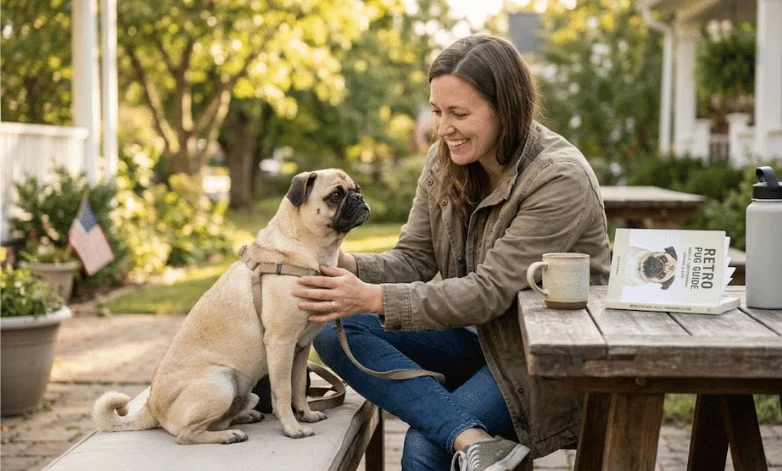
A retro pug is a modern, longer-muzzled dog created to reduce extreme flat-faced traits seen in standard Pugs. Many programs use Jack Russell Terrier ancestry, though definitions vary by breeder. The goal is better breathing and a more athletic build, but health still depends on anatomy, genetics, and responsible breeding.
| Key fact | What to know |
|---|---|
| Type | A mixed-breeding approach, not a separately recognized AKC breed |
| Common ancestry | Pug plus Jack Russell Terrier is common, though some programs use other outcrosses |
| Typical size | Often around 9–16 inches tall and 15–20 pounds |
| Commonly cited lifespan | About 13–16 years, with wide individual variation |
| Main breeding goal | A longer muzzle and less extreme facial structure |
| U.S. buyer priority | Verify health testing for both parent lines instead of trusting a label |
Key takeaways: This breeding approach aims to produce a companion with less extreme facial anatomy while keeping familiar personality traits. A longer muzzle may help, but it cannot guarantee freedom from breathing or inherited problems. U.S. buyers should verify health records for both sides of the pedigree before choosing a puppy.
What Is the Longer-Muzzled “Retro” Dog?
The term describes a breeding effort to produce a less extreme companion dog. German programs helped popularize the idea, often using Jack Russell Terrier ancestry. Current breed guides describe considerable variation in size, head shape, color, and energy.
The label is not a single, standardized American breed designation. The AKC standard for the Pug describes a short, blunt, square muzzle and purebred conformation. A seller’s wording alone cannot confirm ancestry, structure, or responsible health testing.
Retro Pug vs. Standard Pug: Key Differences
| Feature | Longer-muzzled type | Standard Pug |
|---|---|---|
| Muzzle | Usually more pronounced | Short and blunt by the breed standard |
| Body | Often leaner or more athletic | Compact and cobby |
| Energy | May be higher because of terrier ancestry | Usually moderate |
| Appearance | More variable across litters | More predictable within the standard |
| Registry status | Not a separate AKC breed | AKC-recognized since 1885 |
| Health focus | Reduced facial exaggeration | Responsible breeding still requires screening |
These differences are tendencies, not promises. Mixed ancestry can produce puppies that favor either side physically or behaviorally. Ask to see adult relatives before assuming how a puppy will mature.
Health: What a Longer Muzzle Can and Cannot Fix
Health is the strongest reason people explore this type of dog. A 2022 Royal Veterinary College study compared 4,308 Pugs with 21,835 non-Pugs in the United Kingdom. Pugs were 1.9 times likelier to have at least one disorder recorded during that study year.
Breathing deserves special attention because facial structure affects airflow. Cambridge researchers explain that brachycephalic dogs can develop obstructive airway disease, although severity varies by individual. Open nostrils, healthy body weight, and functional breathing matter more than a marketing label.
A longer muzzle may reduce one visible risk factor, but it cannot guarantee a healthy dog. Outcrossed dogs can inherit conditions from either parent line. U.S. buyers should expect documented screening appropriate for both sides of the pedigree.
Temperament, Training, and Daily Life
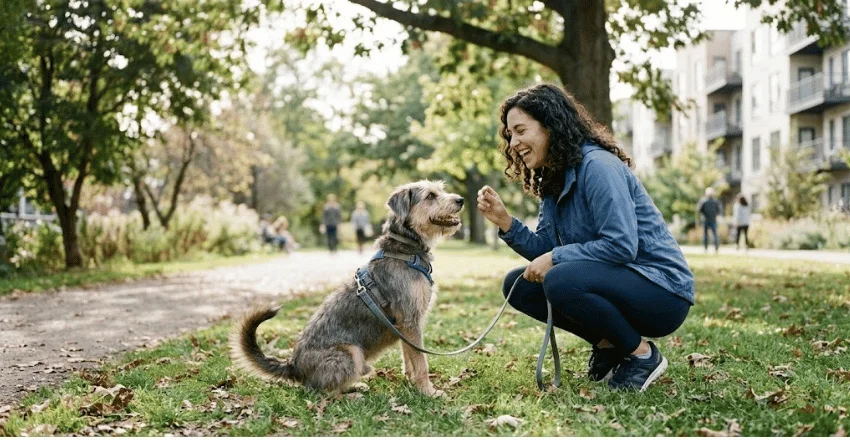
Most descriptions combine companion-dog affection with some terrier drive. That can mean a social, playful dog with more stamina and curiosity than expected. Individual temperament still depends on parents, early socialization, training, and daily routine.
Consistent positive-reinforcement training suits this intelligent, people-focused mix. One current breed guide suggests about an hour of walking daily for healthy adults. Adjust activity for age, weather, breathing comfort, and your veterinarian’s advice.
These dogs can fit apartments when their exercise and social needs are met. They may struggle with long periods alone if they inherit strong companion traits. Terrier ancestry can also increase chasing behavior around smaller animals.
Grooming and Routine Care
The short coat is usually simple to maintain with regular brushing. Dental care, nail trimming, and ear checks still need a steady schedule. Dogs with facial folds also need clean, dry skin around those areas.
Body condition matters because excess weight can increase breathing strain. Cambridge research found obesity was significantly associated with BOAS among the brachycephalic dogs studied. Use measured meals, suitable exercise, and regular veterinary weight checks.
How U.S. Buyers Should Evaluate a Breeder
Start with records, not photographs or claims about a longer nose. Responsible breeders should explain the ancestry, goals, and known health risks in their program. They should also provide test results that you can verify independently.
- For the Pug parent line, ask about hip, eye, patella, and PDE testing.
- For Russell Terrier ancestry, ask about patella, eye, BAER hearing, and PLL testing.
- Request registered names for both parents and search available OFA records.
- Ask how adult dogs breathe after ordinary activity and during warm conditions.
- Ask to meet the mother when feasible and review information about older relatives.
- Avoid sellers who promise that mixed ancestry automatically prevents inherited disease.
The OFA and CHIC databases can help U.S. buyers check documented screenings. A CHIC number means required tests were completed and made public, not that every result was normal. Read the actual results instead of stopping at the certification label.
Ownership Costs, Adoption, and Ongoing Planning
Purchase prices vary by breeder, region, generation, and demand. A higher price does not prove stronger health testing or better breeding decisions. Budget for preventive care, dental work, emergencies, training, food, and insurance options.
Planning ahead also means reading widely before and after a puppy arrives. The Mag Vibes Pets archive gathers breed profiles and ownership guides that cover this ground for other animals. Households adding a cat alongside the dog can browse the funny cat names guide when it is time to choose one. The wider Mag Vibes library covers newer lifestyle and pet features.
Is This Type of Dog Right for You?
| A good match if you want | Think carefully if you need |
|---|---|
| A small, social companion | A dog that tolerates long isolation |
| Moderate daily activity | Guaranteed low exercise needs |
| A potentially less extreme facial structure | A predictable purebred appearance |
| Training and interaction | A maintenance-free pet |
| Detailed breeder research | A health guarantee based only on muzzle length |
This dog can suit owners who value companionship and daily interaction. It also suits people willing to research health records before choosing a puppy. A good match depends on the individual animal, not the breed name.
Frequently Asked Questions
Is a retro pug healthier than a standard Pug?
It may have a lower risk from extreme facial structure when the muzzle and airways are more functional. That does not remove inherited risks from either parent line. Health testing, body condition, and veterinary care still matter throughout life.
Are these dogs recognized by the AKC?
No separate breed with this label appears on the AKC’s current recognized-breed list. Standard Pugs and Russell Terriers have their own recognized standards and health recommendations. Mixed offspring are not the same as a newly recognized pure breed.
How big do they get?
Current breed guides commonly place adults around 9–16 inches tall. Weight estimates often fall near 15–20 pounds, although ancestry can shift those numbers. Parent size gives a better clue than a generic online range.
How long do they live?
Some current breed guides cite a range of roughly 13–16 years. Treat that figure as an estimate, not a guarantee. Genetics, weight, dental health, accidents, and veterinary care all influence lifespan.
Do they shed?
Most have short coats and can still shed throughout the year. Regular brushing helps remove loose hair before it lands on furniture. Shedding can vary with coat genetics, season, health, and nutrition.
Bottom Line for U.S. Owners
A longer muzzle is a meaningful structural feature, but it should not be your only buying criterion. Verify ancestry, health tests, breathing function, temperament, and adult relatives before committing. Then involve your veterinarian early so care decisions match the dog in front of you.