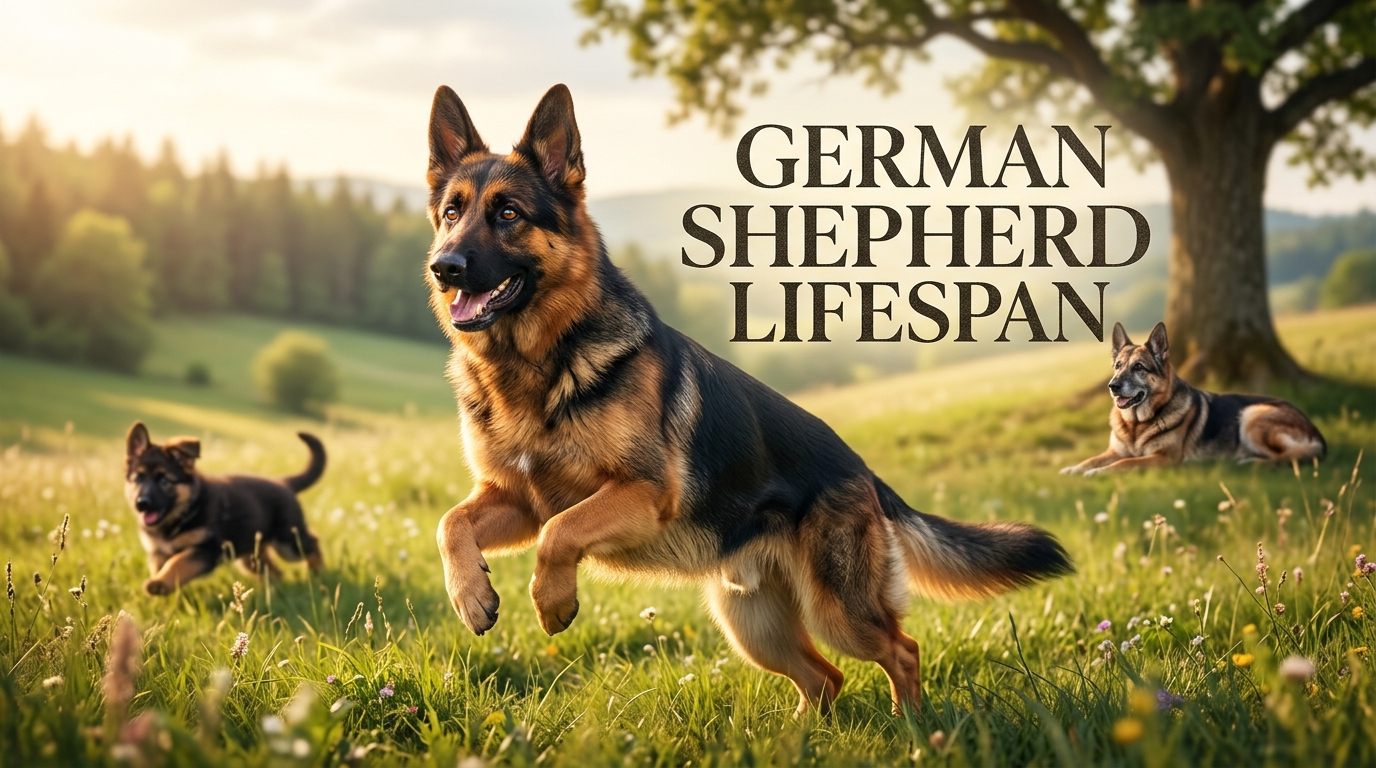
The German Shepherd lifespan is commonly listed at about 7 to 10 years by major U.S. pet health sources. Individual dogs may live longer, especially when genetics, weight, mobility, and preventive care work in their favor. Owners should treat the range as a planning guide, not an expiration date.
Most U.S. breed references place this large working breed around 7 to 10 years. Veterinary research also shows that some dogs reach the upper end or beyond. Genetics and healthy body weight can shape how many healthy years a dog enjoys. Joint care, routine veterinary visits, and early disease detection also matter.
| Key fact | What owners should know |
|---|---|
| Typical life expectancy | About 7–10 years in current U.S. breed references. |
| Research context | A large UK veterinary study reported a median of 10.3 years. |
| Senior stage | Many veterinarians begin senior screening around age 7. |
| Major health concerns | Joint disease, degenerative myelopathy, bloat, cancer, and excess weight merit attention. |
| Helpful habits | A lean body condition, appropriate exercise, routine exams, and early treatment support healthy aging. |
Key takeaways: Expect about 7 to 10 years, while individual outcomes can vary. Large size and breed-linked health risks help shape that range. Lean weight, preventive care, health screening, and early response to changes can support better quality of life.
What the German Shepherd lifespan numbers really mean
PetMD and Purina currently list 7 to 10 years for this breed in their U.S. care guides. A VetCompass study of 12,146 dogs in the United Kingdom reported median longevity of 10.3 years. Different populations and methods can produce different figures, so no single number applies to every household.
The wider large-breed picture also matters when you interpret those numbers. The American Kennel Club gives large dogs a broad average range of 8 to 12 years. A 2024 study of more than 584,000 UK dogs found shorter median survival among large purebreds. Smaller purebred groups lived longer on average.
Why larger dogs often have shorter lives
Large dogs generally age faster than small dogs, though the exact biology is still being studied. Faster growth, greater body mass, and age-related disease patterns may all contribute to that difference. This size effect helps explain why owners should plan for senior care earlier than many small-breed owners.
A seven-year-old working breed can still be active, playful, and mentally sharp. Still, age seven is a sensible point for closer screening and more frequent health conversations. Changes in weight, gait, sleep, appetite, or stamina deserve attention, not dismissal as normal aging.
Health problems that can affect longevity
Orthopedic disease is one of the biggest long-term concerns for this athletic breed. Hip dysplasia, elbow dysplasia, and osteoarthritis can reduce movement and daily comfort. The German Shepherd Dog Club of America requires hip and elbow evaluations within its core CHIC health requirements.
Degenerative myelopathy is another breed-associated condition. It affects the spinal cord and can cause progressive hind-limb weakness and coordination problems. PetMD notes that there is no curative treatment, although supportive therapy may help mobility for a time.
Deep-chested dogs also risk gastric dilatation-volvulus, often called GDV or bloat. Warning signs can include unproductive retching, a swollen abdomen, restlessness, drooling, or rapid decline. GDV is a life-threatening emergency that needs immediate veterinary treatment.
Weight deserves equal attention because extra pounds increase stress on joints and other body systems. An AKC review cites research linking overweight status with shorter lives across several dog breeds. Keeping your dog lean also makes daily movement easier, especially when arthritis begins to appear.
How to support a longer, healthier life
You cannot control every genetic risk, but daily care still matters across a dog’s lifetime. The goal is not to chase a guaranteed age because no routine can promise that result. Instead, focus on reducing preventable strain and making health changes while treatment options remain broader.
- Keep body condition lean enough that your veterinarian is comfortable with your dog’s weight.
- Feed a complete diet suited to age, activity level, and any medical needs.
- Use regular exercise that maintains muscle without repeatedly overloading painful joints.
- Schedule preventive exams and follow veterinary recommendations for dental care, vaccination, and screening.
- Ask breeders for documented hip, elbow, and recommended health results before choosing a puppy.
- Adjust activity after injury or illness instead of expecting the same workload immediately.
Mag Vibes readers can also browse the site’s Pets section for more animal-focused features and household pet ideas. That category can help owners find related reading without mixing medical advice with entertainment content. Veterinary decisions should still come from a licensed professional who has examined your dog.
What healthy aging can look like by life stage?
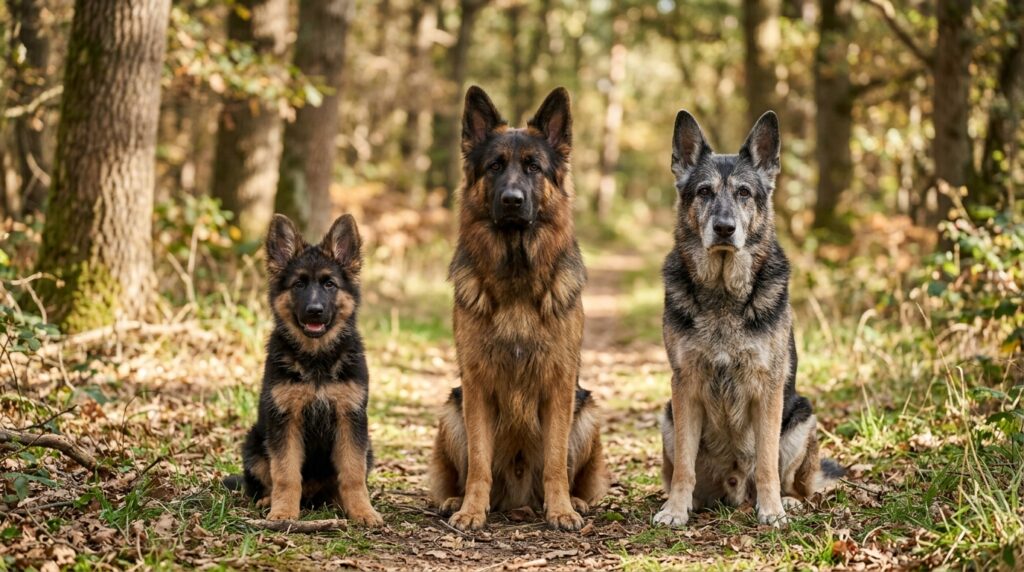
Puppies need controlled growth, socialization, training, and nutrition designed for developing large-breed bodies. Adults benefit from regular exercise, stable weight, dental care, and yearly wellness checks. Seniors often need closer mobility tracking, easier recovery days, and more frequent discussions with their veterinarian.
| Life stage | Main focus | Useful owner check |
|---|---|---|
| Puppy | Growth, training, socialization | Is weight gain steady without becoming heavy? |
| Adult | Fitness, dental health, prevention | Are gait, stamina, appetite, and weight stable? |
| Senior | Mobility, pain, organ health, cognition | Are stiffness, sleep, behavior, or bathroom habits changing? |
Many veterinarians begin senior screening around age seven, but size and health history can shift that timing. Older dogs may sleep more or slow down, yet sudden changes still deserve investigation. A gradual decline should never be assumed harmless without considering pain or disease.
Signs that deserve a veterinary visit
Book an appointment when you notice persistent limping, trouble rising, unexplained weight change, appetite loss, or new behavior changes. Hind-leg weakness, dragging feet, or coordination problems also deserve prompt assessment. Early evaluation can separate treatable pain from progressive neurologic or orthopedic disease.
Some signs require emergency care rather than a routine appointment. Repeated dry heaving, a rapidly enlarging abdomen, collapse, pale gums, or severe distress can signal bloat. Call an emergency veterinary hospital immediately if those symptoms appear.
Does diet affect life expectancy?
Diet supports healthy weight, muscle maintenance, growth, and recovery throughout life. No food can guarantee extra years, and supplements cannot replace a balanced diet or veterinary treatment. Your veterinarian can help match calories and nutrients to age, activity, body condition, and disease risk.
Large-breed puppies need careful nutrition because excessive growth can worsen orthopedic stress in predisposed dogs. Senior dogs may need calorie adjustments as activity changes, while adequate protein can help maintain muscle. When making major diet changes, consider current health, medications, and digestive tolerance.
Frequently asked questions
How long do German Shepherds usually live?
Current U.S. breed guides commonly give a range of about 7 to 10 years. Some dogs live beyond that range, while illness or injury can shorten it. A veterinarian can give a more useful estimate after considering age, health history, weight, and mobility.
Is 10 years considered old for this breed?
Ten years is an advanced age for a large working dog, based on commonly published life-expectancy ranges. Many ten-year-old dogs still enjoy walks, training, play, and close family routines. Comfort, mobility, appetite, cognition, and disease control matter more than the birthday alone.
Can one live to 12 years or longer?
Yes, some individuals reach 12 years or beyond, although that is outside some published U.S. ranges. Reaching an older age depends on many factors that owners cannot fully control. Good care can support health, but it cannot guarantee a specific lifespan.
What is the German Shepherd lifespan compared with other large dogs?
The AKC places large breeds broadly around 8 to 12 years, while U.S. breed guides often list this breed at 7 to 10. That makes its published range somewhat shorter than the broad large-dog category. Individual outcomes still vary enough that a single comparison should not predict one dog’s future.
When should senior care start?
Age seven is a practical time to discuss senior screening with your veterinarian. Large dogs often enter later-life health monitoring sooner than small dogs. Your veterinarian may recommend earlier or later changes based on medical history and physical condition.
Make the later years count
A lifespan estimate is most useful when it changes how you care for your pet. Keep weight controlled, protect mobility, schedule preventive care, and respond quickly to changes in behavior or movement. Those habits support comfort and give your veterinary team better chances to address problems early.
For more pet-friendly reading, explore the Mag Vibes Pets category and its lighter features, including Funny Cat Names. You can also return to the Mag Vibes homepage for new guides across the site. For medical decisions, use this article as background and rely on your veterinarian for diagnosis and treatment.`