Ever find yourself staring at the ceiling at 2 a.m., replaying the day’s to-do list and wishing you had a reset button? You’re not alone. Between work, family, and scrolling through endless notifications, carving out time for yourself can feel impossible. The good news: relaxing self care doesn’t require a spa day or a big time commitment—small, intentional habits can restore your energy, reduce stress, and improve fitness and sleep.
Why Relaxing Self Care Matters (and How It Helps Your Health)
“Self care” can sound vague, but when framed as relaxing, restorative actions, it becomes measurable and achievable. Relaxing self care lowers cortisol (the stress hormone), improves sleep quality, supports recovery after workouts, and helps you make healthier choices during the day. Think of it as preventive medicine—20 minutes of mindful movement or a calming evening routine compounds into better mood, improved focus, and fewer burnout days.
Quick Principles for Effective Relaxing Self Care
- Prioritize consistency over intensity—daily mini-routines beat sporadic long sessions.
- Choose activities that blend relaxation with light movement for both mind and body benefits.
- Make it practical: routines that work for busy people are short, repeatable, and phone-free.
- Track feelings and sleep—small improvements validate the practice and encourage continuation.
Relaxing Self Care Routines You Can Start Today
1. Morning Reset: 10-Minute Mobility + Breathwork
Start your day with gentle mobility and deep breathing to ease tension and boost circulation.
- Cat-Cow sequence — 1 minute to mobilize the spine
- World’s Greatest Stretch — 2 minutes each side for hips and thoracic mobility
- Standing forward fold with slow exhales — 1 minute
- Box breathing (4-4-4-4) — 2 minutes to center your nervous system
Real-world example: Amy, a busy teacher, does this routine before her shower. She says it reduces morning stiffness and makes her commute less stressful.
2. Midday Calm: 15-Minute Gentle Flow or Walk
When afternoon energy dips, trade one episode of TV for a quick movement break to refresh the brain.
- Gentle yoga flow: Sun salutations modified for low impact (3–5 rounds)
- Low-impact cardio: 10–15 minute brisk walk or marching in place
- Alternate with a 5-minute progressive muscle relaxation at your desk
Fitness tip: Aim for 3–5 days per week. Even short, frequent movement raises mood-boosting endorphins and prevents posture-related pain.
3. Evening Wind-Down: 20-Minute Bedtime Routine
To support restorative sleep, create a consistent pre-sleep ritual that cues your body to relax.
- 30–60 minutes before bed: dim lights, silence notifications
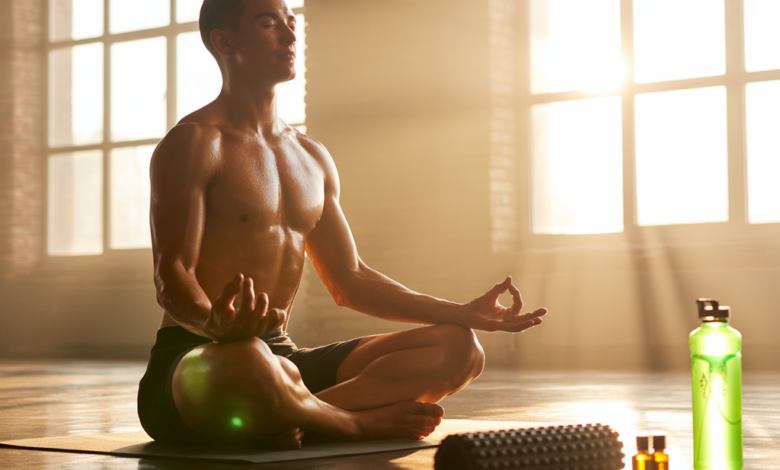
- 10 minutes of restorative yoga: legs up the wall, reclined bound angle
- 5–10 minutes journaling: write 3 things you’re grateful for
- Optional: warm shower or herbal tea (caffeine-free)
Real-world example: Marcus swapped late-night emails for 15 minutes of journaling and noticed he falls asleep faster and wakes up less groggy.
Fitness Variations That Feel Relaxing (Not Punishing)
Relaxing self care also includes fitness choices that promote recovery and calm:
- Low-intensity steady state (LISS) cardio: walking or easy cycling for 20–40 minutes
- Gentle resistance circuits: light dumbbells, higher reps (2–3 sets x 12–15 reps) focusing on slow tempo for muscle engagement without strain
- Mobility circuits: 8–10 minutes targeting hips, shoulders, and thoracic spine
- Guided restorative yoga or yin yoga: long holds (2–5 minutes) to release fascia
Sample 20-Minute Relaxing Workout
- 5-minute brisk walk to warm up
- 8-minute mobility flow (hip swings, shoulder circles, slow lunges)
- 5-minute light resistance (bodyweight squats, seated rows with band)
- 2-minute cooldown with diaphragmatic breathing
Nutrition and Lifestyle Tips to Support Relaxation
What you eat and how you live impacts how easily you relax. Try these practical suggestions:
- Hydration: start the day with water and sip throughout—dehydration can mimic anxiety.
- Balanced meals: include protein, fiber, and healthy fats to stabilize blood sugar and mood.
- Avoid heavy meals and caffeine within 3–4 hours of bedtime to improve sleep onset.
- Daily sunlight exposure: 10–20 minutes in the morning supports circadian rhythm.
- Set digital boundaries: a “no screens” rule 30–60 minutes before bed.
For practical meal ideas and timing strategies that support recovery and calm daily energy, check out our nutrition guides.
How to Make Relaxing Self Care Stick
Building a reliable relaxation habit is like training a muscle. Use these behavior-design tips:
- Anchor the new habit to an existing routine (e.g., after brushing teeth).
- Start tiny: 5 minutes is better than committing to an hour you won’t keep.
- Track it visually—use a calendar or habit tracker to reinforce consistency.
- Make it pleasurable: use a scented candle, comfortable clothes, or a cozy corner.
If you want guided movement you can do daily, explore our workout routines designed for stress relief and mobility.
Real-Life Scheduling Examples
Here are two simple schedules to show how relaxing self care fits into different lifestyles:
Busy Parent
- 6:30 a.m. — 10-minute mobility + breathwork
- 12:30 p.m. — 10-minute walk during lunch
- 9:30 p.m. — 15-minute bedtime routine (yoga + journaling)
Remote Worker
- 7:30 a.m. — morning sunlight + light stretching
- 3:00 p.m. — 15-minute mobility circuit and standing desk reset
- 10:00 p.m. — digital shutdown and 10 minutes of reading
Frequently Asked Questions
1. What are the easiest relaxing self care activities for people with little time?
Short activities like 5–10 minutes of breathwork, a quick mobility sequence, a brisk walk, or a gratitude journal entry are highly effective and easy to fit into busy schedules.
2. Can exercise be relaxing if I also want to build strength?
Yes. Choose low-to-moderate intensity strength work with controlled tempos and focus on recovery. Light resistance training (higher reps, slower tempo) builds strength while promoting relaxation when paired with proper breathing and cooldowns.
3. How often should I practice relaxing self care to see benefits?
Aim for daily micro-sessions (5–20 minutes) and at least 3–5 longer sessions per week for movement. Consistency matters more than duration—small daily habits compound into noticeable improvements within 2–4 weeks.
Conclusion — Start Small, Feel Big Results
Relaxing self care is not indulgence; it’s essential maintenance that keeps your body and mind functioning at their best. Begin with one 10–20 minute routine—morning mobility, a midday walk, or an evening wind-down—and build from there. Try one of the sample workouts this week, track how you feel, and adjust to fit your life. For more structured plans, check our workout routines, nutrition guides, and wellness tips pages.
Ready to reclaim calm? Pick one relaxing self care habit to start tomorrow and share your experience in the comments or subscribe for weekly routines and tips.