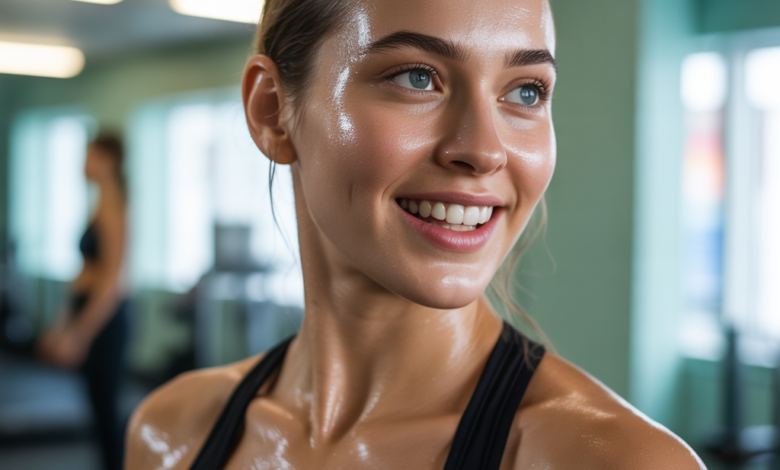
Ever look in the mirror after a sweaty workout and think those open pores look worse than before? You’re not alone. Large facial pores can feel like a persistent flaw, but with the right mix of exercise, nutrition, skincare, and lifestyle tweaks you can visibly minimize enlarged pores and improve overall skin texture.
Why pores look large (and what you can control)
Pores are tiny openings in the skin that release oil and sweat. They don’t actually “stretch” permanently, but factors like excess oil (sebum), dead skin buildup, sun damage, loss of collagen, and inflammation make pores appear larger. The good news: many of those factors respond well to simple, sustainable changes.
How to reduce large facial pores: a step-by-step approach
Reducing pore size is a combination of topical care, healthy habits, and targeted fitness practices that boost circulation and cellular renewal.
1. Cleanse and exfoliate the right way
- Use a gentle cleanser twice daily to remove sweat and oil without stripping your skin’s barrier.
- Incorporate chemical exfoliants — salicylic acid (BHA) for oily, acne-prone skin and glycolic or lactic acid (AHA) for texture — 1–3 times per week depending on tolerance. These penetrate pores and dissolve debris that dilates them.
- Avoid over-physical scrubbing which can irritate and worsen pore appearance.
2. Targeted actives that shrink pores visually
- Niacinamide: regulates sebum production and improves skin elasticity.
- Retinoids (retinol or prescription retinoids): boost collagen and speed cell turnover — a proven way to refine pore size over months.
- Clay masks: use once weekly to absorb excess oil from the surface and tighten skin temporarily.
- Always finish with sunscreen during the day — UV damage thins skin and makes pores more obvious.
3. Fitness and movement for clearer, tighter-looking skin
Exercise does more than trim your waist — it improves skin health. Here’s how to use workouts to help minimize enlarged pores:
- Cardio (20–30 minutes, 3–5x/week): Running, cycling, or a brisk walk increases blood flow and oxygen delivery to the skin, promoting healthy turnover and detoxification through sweat.
- Strength training (2–3x/week): Supports hormonal balance and metabolic health, which can reduce excess oil production over time.
- Facial massage and lymphatic work: Gentle daily facial massage, gua sha, or lymphatic drainage techniques can reduce puffiness and improve skin tone, helping pores appear smaller.
- Workout variations: Try interval training once a week for a circulation surge, or restorative yoga to lower stress hormones that trigger oiliness and inflammation.
Real-world example: a simple weekly routine
Sarah is a 32-year-old teacher who wanted to minimize large pores without expensive treatments. She started a plan: morning 25-minute jogs on Monday/Wednesday/Friday, two 30-minute strength sessions, daily night-time retinol twice a week ramped up slowly, and a weekly clay mask. After 8–12 weeks she noticed smoother texture and less visible pores. Small, consistent steps led to measurable change.
Nutrition and lifestyle: feed your skin from the inside out
What you eat and how you live directly affects oil production, inflammation, and collagen — all tied to pore appearance.
Diet tips
- Hydrate regularly — water supports skin elasticity and toxin removal.
- Prioritize antioxidants (berries, leafy greens) and omega-3s (fatty fish, flax) to reduce inflammation and support collagen synthesis.
- Limit high-glycemic foods and dairy if you notice breakouts tied to diet; these can increase sebum and clog pores.
Sleep, stress, and habits
- Aim for 7–9 hours of quality sleep — skin repairs while you rest.
- Practice stress reduction (meditation, breathing, or light yoga) to lower cortisol, which can drive oil production.
- Avoid smoking and limit alcohol — both degrade collagen and make pores look more pronounced.
When to consider professional treatments
If at-home care leads to slow improvement but you want faster or stronger results, dermatologic procedures can help:
- Chemical peels or microdermabrasion for deeper exfoliation.
- Non-ablative lasers and microneedling to stimulate collagen and tighten pores.
- Consult a licensed dermatologist to choose a plan tailored to your skin type.
Daily routine checklist to minimize pores
- AM: gentle cleanse → antioxidant serum (vitamin C) → niacinamide → lightweight moisturizer → broad-spectrum SPF.
- PM: cleanse → BHA/AHA (as tolerated) → retinoid (alternate nights) → moisturizer.
- Weekly: clay mask or exfoliating treatment, facial massage.
- Exercise wisely: combine cardio + strength + recovery to balance hormones and blood flow.
Frequently Asked Questions
1. Can I reduce large facial pores naturally without products?
Yes, to some extent. Lifestyle changes — improved hygiene, hydration, balanced diet, regular exercise, sun protection, and facial massage — can visibly reduce pore appearance. However, combining those habits with targeted skincare actives gives faster, more noticeable results.
2. Do washes or scrubs make pores smaller?
Deep cleansing and appropriate exfoliation remove debris and oil that make pores look large, but physical scrubs can irritate the skin if overused. Chemical exfoliants (BHAs/AHAs) are often more effective and gentler at clearing pores.
3. How long until I see improvements?
With consistent skincare and lifestyle changes, many people notice improvements in 6–12 weeks. Treatments like chemical peels or microneedling produce faster change but should be combined with a good home routine for lasting results.
Conclusion — Start small, stay consistent
Reducing large facial pores is a realistic goal when you combine effective skincare, fitness habits, and healthy lifestyle choices. Remember: consistency beats perfection. Try a week-by-week plan — add a short cardio session, swap in a BHA cleanser, drink more water, and protect your skin from the sun. You’ll likely see gradual improvement in texture and pore appearance.
Ready to get started? Check out our workout routines for skin-boosting exercises, browse our nutrition guides to reduce inflammation from within, and explore more wellness tips to support lasting skin health. Take the first step today and commit to one small change — your skin will thank you.