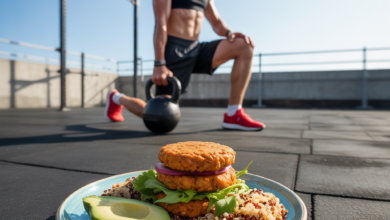
Ever find yourself staring at the clock, promising “I’ll work out later,” only to run out of time? If you’ve ever wished for a practical plan that fits between coffee and commute, these quick workout tips are for you. Whether you have 10 minutes, a hotel-room floor, or a lunch break, you can build strength, burn calories, and boost energy—without a gym membership.
Why short, focused workouts actually work
Short workouts win because consistency beats duration. A well-designed 15–20 minute routine can raise your heart rate, stimulate muscle, and improve metabolism—especially when you use high-intensity interval training (HIIT), compound moves, and minimal rest. Time-efficient workouts are great for busy professionals, parents, and travelers because they reduce friction: less planning, less setup, and more follow-through.
Science-backed benefits
- Improved cardio fitness from brief, intense intervals.
- Strength gains using bodyweight or resistance bands in circuit formats.
- Better adherence—short sessions are easier to repeat consistently.
Top quick workout tips for busy people
Here are practical, actionable tips to make the most of limited time. These strategies are ideal for home workouts, gym express sessions, or hotel-room routines.
1. Prioritize compound movements
Choose multi-joint exercises that work several muscles at once—squats, lunges, push-ups, rows, and deadlifts (or Romanian deadlifts with dumbbells). Compound moves give you the best return on time by building strength and burning calories simultaneously.
2. Use interval formats: Tabata, EMOM, and circuits
- Tabata: 20 seconds work / 10 seconds rest, 8 rounds for 4 minutes—great for cardio bursts.
- EMOM (Every Minute On the Minute): Pick a movement and perform it at the top of each minute—useful for strength and pacing.
- Circuits: 3–5 exercises back-to-back with minimal rest—excellent for full-body conditioning.
3. Keep equipment minimal
All you need are dumbbells, resistance bands, or just your body weight. Minimal gear makes it easy to do quick home workouts or travel-friendly sessions. Example: a 12-minute AMRAP (as many rounds as possible) of squats, push-ups, and band rows.
4. Warm up in 3–5 minutes
A fast warm-up prevents injury and improves performance: dynamic moves like leg swings, arm circles, and hip hinges get blood flowing without eating into your training time.
5. Prioritize quality over quantity
Short sessions demand focus. Choose weights and rep ranges that challenge you, maintain full range of motion, and control tempo. Slow, deliberate reps in a 10-minute routine are more effective than rushed, sloppy repetitions for 30 minutes.
Sample 15-minute quick workout variations
Pick one based on your goal: fat loss, strength, or mobility.
Full-body strength (15 minutes)
- Warm-up: 3 minutes dynamic movements
- EMOM x 12 minutes: Minute 1 — 10 goblet squats; Minute 2 — 8 push-ups; Minute 3 — 10 bent-over rows
- Cool-down: 1–2 minutes light stretch
Metabolic HIIT (12 minutes)
- Tabata rounds: 8 rounds of 20s work/10s rest — alternate burpees and mountain climbers
- Finish with 60 seconds plank
Mobility + core (10 minutes)
- 2 rounds: 45s bird-dogs, 30s glute bridges, 45s dead-bug, 30s child’s pose
Rotate these throughout the week to create variety and avoid plateaus. For more structured plans, check out our workout routines page.
Healthy lifestyle habits to amplify quick workouts
Short workouts are a powerful tool, but they’re most effective when paired with good habits.
Nutrition: fuel and recover
- Pre-workout: a small carb + protein snack if you train fasted and need energy (banana + yogurt).
- Post-workout: 20–30g protein and a mix of carbs to replenish glycogen and support muscle repair.
- Hydration: sip water throughout the day; add electrolytes after intense sessions.
Explore meal ideas and timing on our nutrition guides page.
Sleep and stress management
Aim for 7–9 hours of sleep to support recovery. Even brief workouts compound negatively if you’re chronically sleep-deprived. Use short breathing breaks or a 5-minute walk to lower stress and improve workout quality.
Consistency > intensity
It’s better to do a 10-minute routine five times a week than a two-hour session once a week. Build the habit first; intensity and duration can grow later.
Real-world examples: how people fit quick workouts into daily life
- Busy parent: 12-minute AMRAP during kids’ nap time—squats, incline push-ups, and dumbbell swings.
- Office worker: mid-day Tabata in a small conference room—burpees, air squats, and jumping jacks to reset energy.
- Traveler: resistance-band full-body circuit in a hotel room—12 reps of rows, lunges, and overhead presses.
Common mistakes to avoid
- Skipping warm-ups: increases injury risk.
- Overdoing intensity every day: leads to burnout—mix in low-intensity or mobility days.
- Neglecting form for speed: compromises results and causes pain.
Frequently Asked Questions
Q: Can I really get fit with 10–15 minute workouts?
A: Yes. When workouts are focused, use compound exercises, and include intensity (HIIT or resistance), short sessions can improve cardiovascular fitness, strength, and body composition—especially when performed consistently and paired with proper nutrition and recovery.
Q: How often should I do quick workouts each week?
A: Aim for 3–6 sessions per week depending on your goals. For general fitness, 3–4 full-body sessions plus 1–2 mobility or active recovery days is effective. Adjust volume and intensity based on energy and recovery.
Q: Do I need equipment for effective quick workouts?
A: No. Bodyweight exercises like squats, lunges, push-ups, and planks are highly effective. Adding dumbbells or resistance bands boosts strength gains and allows for progressive overload, but many people make great progress with no equipment.
Conclusion: Start small, stay consistent—use these quick workout tips today
Quick workout tips aren’t about shortcuts; they’re about smart use of time. Start with a short, focused routine, prioritize compound moves and interval formats, and support your training with good nutrition and sleep. Ready to build a time-efficient fitness habit? Try a 10–15 minute routine tomorrow morning and track how it affects your energy. For more structured plans and healthy living advice, explore our workout routines, nutrition guides, and wellness tips pages. Commit to consistency, and the results will follow—one quick workout at a time.