Have you ever shown up to the gym in an outfit that looked great but felt wrong halfway through your warm-up? Or wondered why your top clings uncomfortably during a HIIT session while your friend stays cool and focused? Choosing the right gear can make or break a workout—so these quality workout apparel tips will help you move better, sweat smarter, and feel confident in every session.
Why the Right Workout Clothes Matter
Beyond aesthetics, fitness apparel plays a functional role: regulating temperature, reducing chafing, supporting muscles, and even preventing injury. Wearing breathable, well-fitting activewear improves comfort and can increase consistency—when your clothes work with you, you’re more likely to push harder and stick to your routine.
Top quality workout apparel tips
Here are practical rules to guide your purchases and closet edits. These aren’t marketing slogans—these are real-world tips I use with clients and in my own training.
- Prioritize fabric performance: Look for moisture-wicking, quick-dry materials like polyester blends, nylon, or technical synthetics. These fabrics pull sweat away from your skin so you stay dry and avoid chafing.
- Pay attention to fit: Choose clothes that allow a full range of motion. For strength training, slightly tighter—but not restrictive—compression wear can provide support. For yoga and mobility, flexible, four-way stretch fabrics are best.
- Know your sport: Running and HIIT need breathable, close-fitting gear to minimize drag and movement. Weightlifting favors durable, thicker fabrics and reinforced seams. Yoga and Pilates benefit from soft, stretchable materials.
- Use layers smartly: A lightweight, breathable base layer under a zippered jacket gives flexibility for outdoor workouts. Layering helps regulate temperature during warm-ups and cool-downs.
- Check the seams and stitching: Reinforced seams and flatlock stitching reduce irritation and mean your gear will last longer through repeated washes.
- Invest in key pieces: You don’t need a closet full of activewear—start with high-quality essentials: one good pair of training shoes, a supportive sports bra (for women), versatile leggings, breathable tees, and a weather-appropriate jacket.
- Look for functional details: Pockets, reflective strips for runs, ventilation panels, and adjustable waistbands are small features that make big differences.
- Care for your clothes: Wash cold, avoid fabric softeners (they reduce moisture-wicking ability), and air-dry when possible to maintain elasticity and fit.
Choosing the Right Apparel by Workout Type
Running and Outdoor Cardio
Long runs demand breathable tops, moisture-wicking socks, and supportive shoes. Compression shorts or tights reduce muscle vibration on longer efforts and can aid recovery. For night or early-morning runs, choose reflective gear.
HIIT and Circuit Training
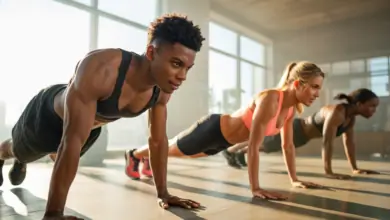
High-intensity interval training involves rapid movement and sweat—pick tight-fitting tops that won’t ride up and shorts or leggings with a secure waistband. Breathable fabrics and strategic ventilation help you maintain intensity without overheating.
Strength Training and CrossFit
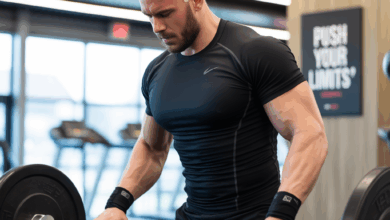
Durable, slightly thicker fabrics stand up better to barbell work and abrasive surfaces. Look for reinforced leggings or shorts, and tops with minimal seam bulk around the shoulders to avoid interference during lifts.
Yoga, Pilates, and Mobility Work
Choose four-way stretch fabrics that move with you during deep stretches. High-waisted leggings stay in place during inversions, and seamless or flatlock options prevent chafing during long holds.
Practical Tips for Real-Life Use
- Try before you buy when possible: Test mobility—squat, lunge, reach—and check for transparency in leggings under light.
- Rotate your gear: Let sweaty items dry between sessions to prevent odor and material breakdown. Having two sets for daily trainers makes this easy.
- Match socks to activity: Padded running socks reduce blister risk; low-profile socks work for lifting to keep a strong bar feel.
- Pack smart for travel: Lightweight, quick-dry pieces can be washed in a sink and are ready the next day—perfect for maintaining workouts on the road.
- Layer for weather: For cold-weather runs, a base moisture-wicking layer, insulating mid-layer, and windproof outer shell are key. Remove layers as intensity rises.
Healthy Lifestyle Advice That Pairs with Smart Apparel Choices
Great clothes are part of the puzzle—nutrition, recovery, and consistency matter more. Hydrate before, during, and after workouts. Aim for 7–9 hours of sleep to aid muscle repair. Pair your training with balanced meals rich in protein, healthy fats, and complex carbs—see our nutrition guides for meal ideas that fuel performance.
Combine smart clothing choices with varied workout routines: alternate strength days, cardio, and mobility work to avoid overuse injuries. Check out our workout routines for beginner-to-advanced schedules and workout variations to keep your progress steady.
Real-World Examples That Work
Sarah, a busy mom and runner, swapped cotton tees for moisture-wicking tops and noticed fewer chafing issues on long runs. John, training for a 5K, added compression shorts on race day and reported less post-run soreness. These small apparel changes—paired with consistent training and good sleep—translated into better performance and more enjoyment.
Frequently Asked Questions
1. How often should I replace my workout clothes?
It depends on frequency and care. If you train 3–5 times weekly, expect to replace high-use items like sports bras and shoes every 6–12 months. Leggings and tops may last 1–2 years if washed gently and air-dried.
2. Are compression garments worth it?
Compression gear can reduce muscle vibration, provide support, and help with recovery for some athletes. They’re especially useful for long runs, heavy lifting days, or when you need added support during intense workouts.
3. What’s the best fabric for hot-weather workouts?
Look for lightweight, breathable synthetics labeled as moisture-wicking or quick-dry. Mesh panels and light colors also help reflect heat. Avoid cotton—it retains moisture and can lead to discomfort and chafing.
Conclusion — Take Action with These Quality Workout Apparel Tips
Choosing the right gear doesn’t have to be complicated. Use these quality workout apparel tips: prioritize performance fabrics, choose the right fit for your sport, invest in a few durable essentials, and care for your clothes properly. Combine these apparel choices with consistent training and balanced nutrition to see real results. Ready to upgrade your routine? Explore our wellness tips and start building a wardrobe that helps—not hinders—your progress.
Want personalized recommendations? Try a simple test: pick one item to upgrade this month—shoes, a bra, or a pair of leggings—and notice how it changes your comfort and performance. Share your experience or subscribe for more gear guides, workout tips, and nutrition advice.