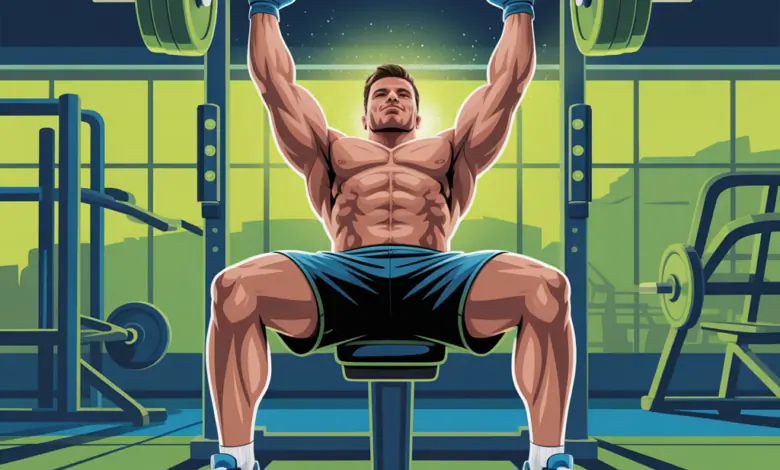
Have you ever finished a push day feeling like you barely moved the needle—stiff shoulders, tired triceps, and minimal progress? Or maybe you crush your sets but still see slow gains. If that sounds familiar, a few smart adjustments can make your push workouts dramatically more effective. In this guide you’ll find practical, science-backed push workout tips to boost strength, build chest and shoulder muscle, and reduce injury risk.
Why a Smart Push Day Matters
Push workouts (chest, shoulders, triceps) are the backbone of many upper-body programs. They improve pressing power, increase upper-body mass, and balance pull-focused routines. But without proper programming—right exercises, loads, and recovery—progress stalls. The goal is to train hard, recover well, and progress consistently.
Top Push Workout Tips for Better Strength and Hypertrophy
Use these actionable push workout tips to get more from every pressing session. They work whether you’re following a split routine, a push/pull/legs program, or a full-body plan.
1. Prioritize Compound Pressing First
Begin with big compound lifts when you’re freshest. Barbell bench press, overhead press, and incline barbell or dumbbell presses recruit the most muscle and allow heavier loading—key for strength and mass.
- Strength focus: 3–6 sets of 3–6 reps (heavier weights, longer rests 2–4 minutes).
- Hypertrophy focus: 3–4 sets of 6–12 reps (moderate weight, 60–90 seconds rest).
2. Use Accessory Exercises to Fill Weak Links
After primary moves, add targeted accessory work: dips, close-grip bench press, triceps pushdowns, lateral raises, and face pulls. These improve lockout strength and shoulder balance.
3. Mind Your Pressing Mechanics
Small technique tweaks accelerate progress and reduce pain:
- Bench press: Keep scapulae retracted, feet planted, and drive through the heels.
- Overhead press: Brace your core, avoid excessive lumbar arching, and press in a vertical path.
- Push-ups: Keep the body in a straight line and think about squeezing the chest at the top.
4. Control the Tempo and Time Under Tension
Slowing the eccentric phase (lowering) and pausing briefly at the bottom builds tension and improves technique. Try a 3-1-1 tempo (3s down, 1s pause, 1s up) for hypertrophy cycles.
5. Mix Rep Ranges and Volume
Rotate phases of strength (low reps, high load) and hypertrophy (higher reps, moderate load). Weekly variety helps avoid plateaus and trains both neuromuscular power and muscle size.
Sample Push Workout Variations
Choose a version that fits your equipment and goals—gym or home:
Gym Push Workout (Balanced Strength & Size)
- Barbell Bench Press: 4 sets of 5 reps
- Standing Overhead Press: 3 sets of 6–8 reps
- Incline Dumbbell Press: 3 sets of 8–12 reps
- Dips (weighted if possible): 3 sets of 8–10 reps
- Lateral Raises: 3 sets of 12–15 reps
- Triceps Rope Pushdown: 3 sets of 10–15 reps
At-Home Push Workout (Minimal Equipment)
- Push-Ups (elevate feet for difficulty): 4 sets of 8–20 reps
- Pike Push-Ups or Handstand Push-Up Progressions: 3 sets of 6–10 reps
- Dumbbell Floor Press or Chest-Supported Rows (if you have dumbbells): 3 sets of 8–12 reps
- Chair Dips: 3 sets of 10–15 reps
- Single-Arm Dumbbell Lateral Raise: 3 sets of 12–15 reps
Recovery and Lifestyle Tips to Support Push Progress
Training is only half the equation. Smart nutrition, sleep, and mobility work multiply your results.
- Protein: Aim for ~0.7–1.0 g/lb (1.6–2.2 g/kg) to support muscle growth and repair.
- Calories: For gains, a small surplus (250–500 kcal/day); for fat loss, a moderate deficit while keeping protein high.
- Sleep: 7–9 hours per night—critical for recovery and hormone balance.
- Hydration & sodium: Maintain fluid balance to support performance and recovery.
- Mobility: Add thoracic mobility and shoulder warm-ups to prevent overuse injuries.
Progression Strategies
Consistent, small increases are the most sustainable way to get stronger:
- Add 2.5–5 lbs to main lifts when you complete target sets and reps with good form.
- Increase total reps across workouts (volume progression) if loading stalls.
- Use auto-regulation: on days you feel strong, push intensity; on off days, reduce volume to avoid overtraining.
Common Mistakes to Avoid on Push Days
Be mindful of these pitfalls that slow progress:
- Neglecting rotator cuff and posterior chain work—imbalances cause pain.
- Overemphasizing high-rep isolation at the expense of compound lifts.
- Insufficient warm-up and progression into heavy sets.
- Using ego weights that break technique.
Real-World Example: A Beginner’s 8-Week Push Focus
Week 1–4: Build technique and base strength—3 push sessions/week, emphasize form, sets of 6–10 reps. Week 5–8: Shift to heavier sets (3–5 reps) for two compound lifts each session and keep accessories in the 8–12 rep range. Track load, reps, and how each set feels—small weekly gains compound quickly.
Frequently Asked Questions
Q: How often should I do push workouts each week?
A: Most people benefit from 2–3 push sessions per week depending on your split and recovery. Twice per week is great for beginners to intermediates; advanced lifters may push 3 times when using volume cycling.
Q: Can I build muscle with bodyweight push workouts?
A: Yes—progressive overload applies to bodyweight training too. Increase difficulty with elevated feet, weighted vests, slower tempo, or higher volume. However, adding external load (dumbbells/barbell) makes continued progression easier long term.
Q: What’s the best rep range for chest growth in push workouts?
A: A mix of rep ranges works best. Use 6–12 reps for hypertrophy most often, with periodic low-rep heavy phases (3–6 reps) to build strength and recruit more motor units.
Next Steps: Make Your Push Days Count
Apply one or two of these push workout tips each week: improve a technical cue, increase load slightly, or add a targeted accessory. Track your workouts, prioritize recovery, and be consistent—results follow. For structured plans, check our workout routines page and visit our nutrition guides and wellness tips pages to support your training.
Ready to level up your pressing strength? Start today by choosing one compound press to improve and add one accessory that targets your weakest link. Share your progress and questions—let’s push forward together.