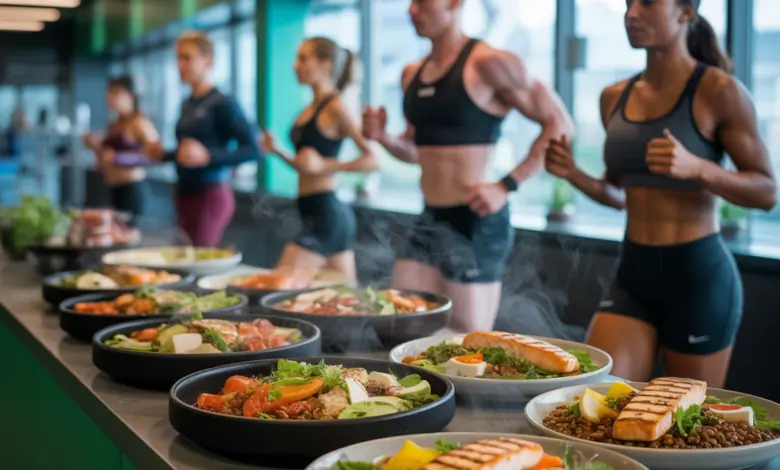
Ever finished a tough workout and stared into the fridge wondering what “real” food will actually help your muscles recover—and keep you full until dinner? If you’ve ever felt confused about what counts as a proper post-workout bite or how to build a day of meals around lean protein, you’re not alone. Protein meals are the foundation of recovery, strength gains, and steady energy—when done right.
Why Protein Meals Matter for Strength, Recovery, and Weight Control
Protein does more than build muscle. It repairs tissues, supports immune function, stabilizes blood sugar, and helps you feel satisfied after a meal. Eating balanced protein meals throughout the day helps with muscle protein synthesis, improves workout performance, and can aid fat loss by reducing cravings and preserving lean mass.
Benefits at a glance
- Supports muscle repair and growth after resistance training
- Increases satiety, helping control overall calorie intake
- Stabilizes energy and reduces mid-afternoon crashes
- Can improve body composition when combined with consistent exercise
How Much Protein Do You Actually Need?
Needs vary by activity level, age, and goals. A general starting point:
- Casual exercisers: 0.6–0.8 grams per pound of bodyweight (1.2–1.8 g/kg)
- Regular gym-goers & strength athletes: 0.8–1.0 g per pound (1.8–2.2 g/kg)
- Older adults: aim higher to preserve muscle—roughly 0.7–1.0 g per pound
Spread protein across meals (20–40g per sitting) rather than loading one meal—this maximizes muscle protein synthesis and keeps hunger in check.
Protein Meals: Breakfast, Lunch, Dinner & Snack Ideas
Here are practical, flavorful protein-packed meals you can build at home. I’ll include options for omnivores and plant-based eaters so everyone can find something that fits.
High-protein breakfasts
- Greek yogurt parfait: Greek yogurt + berries + a sprinkle of nuts and chia seeds (20–25g)
- Egg scramble with spinach and smoked salmon over whole-grain toast (25–30g)
- Overnight oats with protein powder, almond butter, and banana (20–30g)
Protein-packed lunches
- Grilled chicken or tempeh bowl: quinoa, roasted veg, avocado, lemon-tahini drizzle (30–40g)
- Tuna or chickpea salad stuffed into a whole-wheat pita with greens (25–35g)
- Lentil and feta salad with chopped veggies and olive oil (18–25g)
Hearty dinners
- Salmon with sweet potato and steamed broccoli (30–45g)
- Lean beef or mushroom bolognese over whole-grain pasta or zucchini noodles (30–40g)
- Stir-fry: tofu or shrimp with brown rice and lots of colorful vegetables (25–40g)
Smart protein snacks
- Cottage cheese with pineapple or cucumber slices
- Protein bar or shake (look for whole-food ingredients)
- Hard-boiled eggs, edamame, or a handful of nuts plus a piece of fruit
Meal Prep Tips for Consistent Protein Meals
Consistency beats perfection. Use these practical meal-prep strategies to make protein meals a daily habit:
- Cook a base protein twice a week (bake chicken, grill tofu, or roast salmon) and rotate sauces for variety.
- Use versatile ingredients—quinoa, canned beans, and frozen veggies keep meals fast and nutritious.
- Portion proteins into individual containers with a carb and veggie for grab-and-go balance.
- Prep snacks like boiled eggs, yogurt cups, and roasted chickpeas so you’re not reaching for low-protein options.
Protein Meals for Different Goals: Weight Loss vs. Muscle Gain
Your protein strategy shifts slightly depending on whether you’re trying to lose fat or build muscle:
- For weight loss: Keep protein high to preserve muscle (0.8–1.0 g/lb), eat high-volume veggies and prioritize lean proteins.
- For muscle gain: Slight calorie surplus, higher total protein (0.9–1.1 g/lb), and focus on progressive overload in the gym.
Real-world example
Meet Sarah: she wants to lose 10 pounds without losing strength. She eats 30–35g of protein at breakfast (Greek yogurt bowl), 35–40g at lunch (chicken quinoa bowl), and 30g at dinner (fish and veg). By keeping protein steady and slightly reducing carbs, she loses fat while staying strong in her weekly strength sessions.
Workout Tips and Variations to Complement Protein Meals
Pairing the right workouts with your protein intake accelerates results. Here are simple, effective routines:
Strength-building (3×/week)
- Compound moves: squats, deadlifts, bench press, rows. 3–4 sets of 6–10 reps.
- Progressive overload: increase weight or reps gradually.
- Consume a protein meal or shake within 1–2 hours post-workout.
Fat-loss & conditioning (2–3×/week)
- HIIT or circuit training: 20–30 minutes of alternating bursts and recovery.
- Pair with moderate protein meals to preserve muscle while in a calorie deficit.
At-home variations
- Bodyweight strength day: push-ups, Bulgarian split squats, glute bridges, plank holds.
- Use resistance bands or dumbbells for progressive resistance if you don’t have a gym.
Find full plans in our workout routines section and match them to your protein meal schedule for best results.
Everyday Lifestyle Habits That Boost Protein Meal Benefits
Food is only part of the equation. Maximize the impact of your protein meals with these healthy habits:
- Prioritize sleep: 7–9 hours supports recovery and appetite regulation.
- Stay hydrated: water aids digestion and performance.
- Limit ultra-processed foods; focus on whole-food protein sources for micronutrients.
- Track progress, not perfection: small, consistent changes win over time.
For meal planning templates and macro-friendly recipes, check our nutrition guides.
Frequently Asked Questions
1. When is the best time to eat a protein meal after working out?
Aim to eat a balanced protein meal within 1–2 hours after exercise. This window supports muscle repair. If you can’t have a full meal, a small protein shake or snack (15–20g) is a useful stopgap.
2. Can I get enough protein from plant-based meals?
Yes. Combine complementary plant proteins (legumes, grains, soy, nuts) and consider higher servings or a plant-based protein powder to meet calorie and protein needs. Tofu, tempeh, lentils, and edamame are excellent staples.
3. Are protein meals necessary for weight loss?
Protein isn’t strictly necessary to lose weight, but higher protein intake helps preserve lean mass, reduces hunger, and supports sustainable fat loss—making it a smart strategy for many people.
Conclusion: Make Protein Meals Work for Your Life
Protein meals don’t have to be complicated—just consistent, satisfying, and tailored to your goals. Whether you’re aiming to build muscle, lose fat, or simply feel more energized, structuring your day around balanced protein meals is one of the most effective, practical changes you can make. Start tonight: pick two protein meals from this article, prep them for the week, and pair them with a simple strength session from our workout routines page to see fast improvements.
Ready to make protein meals an easy, sustainable habit? Try meal-prepping one new protein recipe this week, and come back to our wellness tips for more ideas.