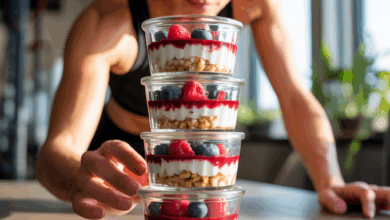
Ever finish a workout and stare at your fridge wondering, “What quick, satisfying meal will help my muscles recover and keep me full until dinner?” If that’s you, you’re not alone — and that question is exactly why protein meals belong at the center of your daily eating plan. Whether you’re short on time, aiming to build lean muscle, or trying to lose fat without losing strength, smart protein-packed meals make it simpler.
Why protein meals matter for fitness and daily energy
Protein is more than just a gym buzzword. Protein-rich meals support muscle repair, boost satiety (so you eat fewer empty calories), help regulate blood sugar, and preserve lean mass during weight loss. Think of protein as the building block of recovery after resistance training and the anchor that keeps your metabolism humming when you’re cutting calories.
Benefits at a glance
- Supports muscle protein synthesis after workouts.
- Increases fullness and reduces cravings.
- Helps maintain metabolic rate during calorie deficits.
- Improves nutrient timing for better training adaptations.
Top protein meals to try
Below are realistic, no-fuss options for quick healthy protein meals that fit different goals — from post-workout recovery to protein meals for weight loss. These are practical, easy to prep, and full of nutrient-rich ingredients.
Quick protein-packed meals (under 15 minutes)
- Greek yogurt parfait: 1 cup plain Greek yogurt + ½ cup berries + 2 tbsp chopped nuts (20–25 g protein).
- Tuna-stuffed avocado: 1 can tuna mixed with Greek yogurt, mustard, and herbs (30+ g protein).
- Egg scramble with spinach and cottage cheese: 3 eggs + ¼ cup cottage cheese + handful of spinach (25–30 g protein).
High-protein meals for muscle growth
- Grilled chicken bowl: 6 oz chicken breast, quinoa, roasted veggies, avocado (40+ g protein).
- Beef and sweet potato hash: lean ground beef, diced sweet potato, peppers, topped with a fried egg.
- Salmon and lentils: baked salmon fillet with a warm lentil salad.
Protein meals for weight loss and satiety
- Turkey lettuce wraps: lean turkey, hummus, cucumber, and tomato wrapped in butter lettuce.
- Chickpea and tuna salad: plant-forward with added seafood protein for a calorie-efficient meal.
- Protein smoothie bowl: whey or plant protein, spinach, frozen banana, and chia seeds.
How to build balanced protein meals
Creating a balanced dish is simple: combine a lean protein source with fiber-rich carbs, healthy fats, and colorful vegetables. That combo stabilizes blood sugar and keeps energy steady.
Plate formula to use every meal
- 1/3 protein: fish, chicken, turkey, lean beef, tofu, tempeh, Greek yogurt, or legumes.
- 1/3 complex carbs/fiber: whole grains, sweet potato, legumes, or fruit.
- 1/3 vegetables + 1–2 tbsp healthy fats: olive oil, avocado, nuts, or seeds.
Meal prep and grocery list (practical tips)
- Batch-cook lean proteins (chicken, turkey meatballs, tofu) to use across 3–4 meals.
- Pre-roast a tray of vegetables and a grain like quinoa for grab-and-go bowls.
- Keep shelf-stable proteins like canned tuna, beans, and shelf-stable protein powder for fast options.
Protein meals tailored to your goals
Different training goals require slightly different protein strategies. Below are simple plans and workout pairings to match your meals to your objectives.
For muscle gain
Aim for higher total daily protein and include a protein-rich meal within 1–2 hours post-workout. Try 4–6 smaller meals that each contain 25–40 g of protein. Pair these meals with strength-focused workouts: compound lifts like squats, deadlifts, and bench press. See our workout routines page for sample splits and progressions.
For fat loss
Prioritize protein to preserve lean mass and increase fullness. Focus on lean protein meals and high-volume veggies. Add metabolic conditioning and a mix of resistance training and interval cardio. Check our nutrition guides for calorie tracking tips and flexible dieting strategies.
Real-world examples: how people fit protein meals into busy lives
Meet Sarah, a busy teacher: she preps chicken and quinoa on Sundays, eats a Greek yogurt parfait for breakfast, a chicken bowl for lunch, and a tuna-stuffed avocado for a quick post-gym dinner. Mike, a weekend warrior, prefers a big protein-rich dinner after evening workouts, switching to lean beef or salmon and pairing with a salad to control calories.
Small habits that make a big difference
- Always have one ready-to-eat protein source in the fridge.
- Use containers that make portion control easy.
- Set a post-workout snack routine: a protein shake or sandwich to kickstart recovery.
Practical fitness tips and workout variations
To maximize gains from your protein meals, combine nutrition with consistent training, quality sleep, and hydration.
- Try supersets or circuit training 2–3 times per week to build muscle and burn fat efficiently.
- Include 1–2 full-body strength sessions and 1–2 metabolic conditioning workouts weekly.
- Prioritize 7–9 hours of sleep for recovery and hormone balance; poor sleep increases appetite and cravings.
Frequently Asked Questions
How much protein should I eat per meal?
For most active adults, aim for 20–40 grams of protein per meal. Your exact needs depend on body weight, goals, and activity level; a common guideline is 0.6–1.0 grams of protein per pound of bodyweight daily for active people.
What are the best protein sources for quick meals?
Quick, high-quality options include Greek yogurt, cottage cheese, eggs, canned tuna, rotisserie chicken, lean deli turkey, protein powder, tofu, and legumes. These can be used in simple meals like wraps, bowls, and salads.
When should I eat protein for best results?
Distribute protein evenly across the day and include a source after workouts (within 1–2 hours) to support muscle repair. Consistency across meals matters more than precise timing for most people.
Conclusion: make protein meals your foundation — start simple
Protein meals are a practical, flexible way to improve performance, stay full, and reach body-composition goals. Start by adding one high-protein meal to your day, use batch-prep strategies, and pair your meals with focused training and recovery. Want more meal ideas or a week-long meal plan tailored to your goal? Check our nutrition guides and explore related wellness tips to build a routine that sticks.
Ready to change how you eat? Pick one of the protein-packed meals above, try it this week, and see how small changes drive big results. Share your favorite recipe or question in the comments — I’ll follow up with tweaks and progress tips!
For more high-protein dinner ideas, check out High Protein Dinners.