Have you ever stood in the locker room debating whether a quick espresso will make your workout better—or worse? Or wondered if that pre-workout scoop or energy drink is actually helping your performance? The pros and cons of caffeine for athletes are nuanced, and choosing the right approach can be the difference between a personal best and an afternoon of jitters.
Introduction: Why athletes care about caffeine
Caffeine is one of the most widely used performance aids worldwide. From recreational runners sipping coffee before a morning tempo run to competitive lifters taking caffeine pills before a max effort, athletes at every level use caffeine to sharpen focus, delay fatigue, and feel more powerful. But it’s not a one-size-fits-all solution—individual responses vary based on dose, timing, tolerance, and the type of sport.
Pros and cons of caffeine for athletes: performance benefits and risks
Pros — how caffeine can help your training and competition
- Improved endurance and reduced perceived effort: Caffeine can decrease the sensation of effort during long runs, rides, or swims, helping athletes sustain a faster pace for longer.
- Increased power and strength: For short, high-intensity efforts like sprints or heavy lifts, moderate caffeine doses often boost peak power and force production.
- Sharper mental focus and reaction time: As a central nervous system stimulant, caffeine enhances concentration, alertness, and quick decision-making—valuable in team sports and technical events.
- Greater glycogen sparing and fat mobilization: In some cases, caffeine promotes fat oxidation, which can help preserve glycogen stores during prolonged exercise.
- Convenient sources: Coffee, tea, energy gels, pills, and pre-workouts make it easy to dose in different contexts.
Cons — potential downsides athletes should watch for
- GI discomfort: Upset stomach, acid reflux, or the urge to use the restroom mid-session is a common complaint—especially with energy drinks or high doses.
- Anxiety and jitteriness: Too much caffeine can impair fine motor control and decision-making, hurting performance in skill-dependent sports.
- Sleep disruption: Late-day caffeine can reduce sleep quality, impairing recovery and adaptation.
- Tolerance and dependence: Regular high intake reduces effectiveness and may require cycling or strategic withdrawal.
- Heart rate and blood pressure effects: Sensitive individuals or those with cardiac issues can experience elevated heart rate and blood pressure.
How to use caffeine smartly: timing, dosage, and sources
Recommended dosing strategy
Research commonly supports 3–6 mg per kg of body weight taken about 30–60 minutes before exercise as an effective ergogenic dose. For a 70 kg athlete, that’s roughly 210–420 mg of caffeine (about 2–4 cups of strong coffee). Start at the lower end to assess tolerance.
Best timing and practical tips
- Take caffeine 30–60 minutes before a workout or event for peak blood levels.
- For long events, use small repeat doses or caffeinated gels to maintain levels without a big spike.
- Avoid caffeine within 6–8 hours of planned sleep to prevent sleep disturbance.
- Test caffeine in training, not for the first time on race day.
Sport-specific recommendations and workout variations
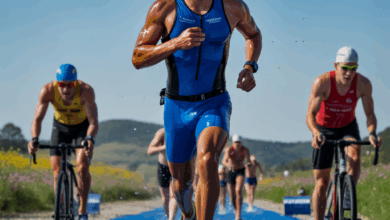
Endurance athletes (running, cycling, triathlon)
Use moderate doses (3 mg/kg) before long sessions; combine with mid-race caffeinated gels if tolerated. Example: a marathoner taking 200 mg 45 minutes before start, then 50–100 mg gels at miles 14 and 20.
Strength and power athletes (weightlifting, sprinting)
Lower to moderate doses can increase peak force and velocity. Try 2–3 mg/kg pre-lift and avoid huge doses that cause shakiness during technical lifts.
Team and skill sports (soccer, basketball, tennis)
Small-to-moderate doses improve alertness and reaction time. Be cautious with energy drinks because high sugar and volume can cause GI issues mid-game.
Real-world examples and case studies
– A collegiate cyclist improved time-trial output after experimenting with 3 mg/kg caffeinated gel pre-race, while avoiding late-afternoon training to protect sleep.
– A competitive CrossFit athlete found that coffee helped with focus during metcons but caused anxiety during final lifts, so they reduced dose and switched to a half-shot of espresso.
– A weekend warrior experienced stomach cramps using a sugary energy drink; switching to low-acid coffee and caffeine tablets solved the issue.
Healthy lifestyle advice to maximize benefits and minimize harm
- Prioritize sleep: Caffeine is not a substitute for adequate rest. Use it to sharpen performance, not mask fatigue.
- Hydrate intelligently: Caffeine has a mild diuretic effect, but overall fluid needs still matter—drink water before and after training.
- Cycle intake: To prevent tolerance, use caffeine selectively (key sessions and competitions) rather than daily heavy use.
- Combine with nutrition strategies: Pair caffeine with a sensible pre-workout snack for longer sessions and to prevent GI upset.
When to avoid or modify caffeine
Athletes with high anxiety, insomnia, cardiac conditions, or troublesome GI symptoms should consult a healthcare professional before regular use. Pregnant athletes should follow medical guidance on safe caffeine limits. If you notice increased resting heart rate, poor sleep, or mood changes, reduce intake and reassess timing.
Frequently Asked Questions
1. Is caffeine legal for athletes?
Yes — caffeine is no longer on the prohibited list for most sport governing bodies. It is commonly accepted as a legal ergogenic aid, but athletes should still follow any sport-specific regulations and use responsibly.
2. How much caffeine is safe for performance?
Typical performance-enhancing doses range from 3–6 mg/kg body weight. Start low (around 3 mg/kg) to assess tolerance and avoid going far above 6 mg/kg due to increased side effects.
3. Can caffeine replace sleep or recovery?
No. Caffeine can temporarily mask fatigue but does not replace the physiological benefits of sleep and recovery. Over-reliance may harm long-term performance and adaptation.
Conclusion: weighing the pros and cons of caffeine for athletes
Caffeine can be a powerful tool when used strategically: it improves endurance, power, and focus for many athletes but brings risks like GI upset, anxiety, and sleep disruption if misused. Understanding individual tolerance, timing, and dose (and testing in training) will help you get the benefits while minimizing the downsides. Whether you’re prepping for a race, refining a lifting peak, or just trying to get the most from your weekend workouts, make caffeine part of a smart plan—alongside quality sleep, nutrition, and coaching.
Want personalized workout suggestions that account for caffeine use and recovery? Check out our workout routines, browse practical advice in our nutrition guides, or get tips for balanced daily habits on our wellness tips page. Try one small change this week: test a lower pre-workout caffeine dose in training and track how your performance and sleep respond.
Ready to optimize your performance? Start experimenting responsibly and log your results — and if you have health concerns, consult a sports dietitian or medical professional.