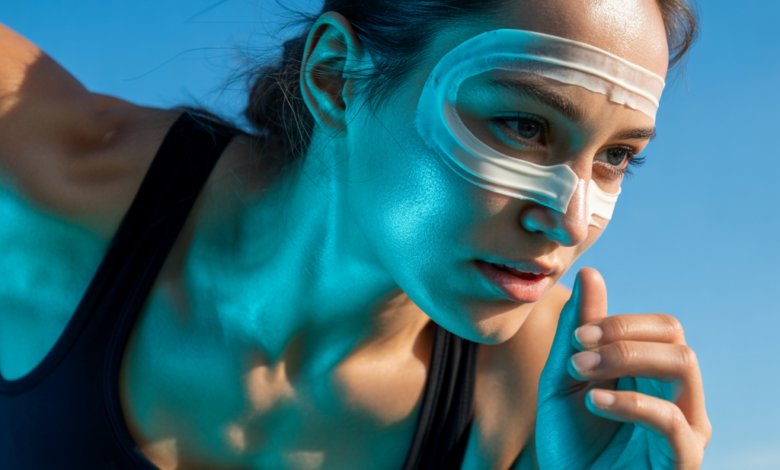
Have you ever finished a sweaty run or a long shift only to find a new rash, redness, or breakouts where your mask sits? If the daily habit of wearing face coverings is leaving your skin irritated, you’re not alone — and there are smart, simple ways to prevent mask related skin damage while staying active and healthy.
Why masks cause skin problems (and why it matters)
Masks create micro-environments around your nose, cheeks and chin: warm, humid, and prone to friction. That combination can break down the skin barrier, lead to clogged pores (commonly called “maskne”), chafing, and even contact dermatitis from certain fabrics or detergents. For people who exercise regularly, healthcare workers, or commuters, these issues can be persistent without a targeted routine.
How to prevent mask related skin damage: practical steps you can start today
Below are evidence-informed, fitness-friendly strategies to protect your skin without giving up your workouts or workplace responsibilities.
1. Choose the right mask material and fit
- Opt for multi-layer masks with a soft, breathable inner layer like cotton or silk for reduced friction and better moisture wicking.
- A proper fit should be snug but not tight — too much pressure causes rubbing and pressure sores, while a loose mask moves and creates friction.
- Switch to disposable surgical-style masks during intense workouts if that’s more breathable and reduces rubbing, or pick sport-specific masks designed for exercise.
2. Rotate and wash masks often
- Have several masks in rotation so each one can be washed and fully dried between uses. Bacteria and oils build up quickly against the skin.
- Use a gentle, fragrance-free detergent and rinse thoroughly to avoid residue that can irritate sensitive skin.
3. Build a protective skincare routine
- Cleanse gently before and after mask use with a mild, non-foaming cleanser to remove sweat and oil without stripping the skin barrier.
- Apply a lightweight, non-comedogenic moisturizer to create a protective layer that reduces friction and supports barrier repair. Look for ceramides, glycerin, and niacinamide.
- Use barrier creams (zinc oxide or dimethicone-based) sparingly if you experience chafing in pressure areas.
4. Adjust your workout habits
- Plan workouts during cooler parts of the day to reduce sweating under the mask.
- Incorporate lower-intensity sessions (yoga, brisk walking) on days when you must wear a mask for prolonged periods.
- When safe and permitted, take brief mask-off breaks in a socially distanced, well-ventilated area to let skin breathe and dry.
Fitness tips and workout variations that minimize mask-related irritation
Keeping active doesn’t mean you need to accept skin damage. Try these real-world adjustments:
Low-impact, low-sweat alternatives
- Swap an intense HIIT session for a 30–45 minute brisk walk, elliptical, or bike ride where you can maintain steady breathing without heavy mask moisture buildup.
- Use strength-training supersets with controlled breathing — fewer heavy breath cycles equal less humidity inside the mask.
Interval-based mask strategy
For runners or gym-goers who want to maintain intensity: structure intervals so high-intensity efforts are shorter and followed by longer recovery periods where you can safely step away and air out your face. This reduces continuous moisture exposure and friction.
Real-world examples
- Emma, a nurse on 12-hour shifts, rotates three washable masks daily, uses a thin silk liner for comfort, and moisturizes before her shift to prevent pressure sores along the bridge of her nose.
- Alex, a weekend long-distance runner, trains early to avoid heat, uses disposable masks for long runs, and applies a breathable balm to chafe-prone areas before heading out.
Healthy lifestyle habits that support skin resilience
Your skin reflects your overall health. Combine skincare with these habits to strengthen your barrier and reduce inflammation:
- Hydrate: Aim for consistent water intake throughout the day to support skin elasticity.
- Nutrition: A balanced diet rich in omega-3s, antioxidants, and vitamin C helps skin repair and reduces inflammation. Consider exploring our nutrition guides for meal ideas that support skin health.
- Sleep: Prioritize 7–9 hours of restorative sleep — cellular repair happens during deep sleep cycles.
- Stress management: Chronic stress can worsen acne and dermatitis. Techniques like breathing exercises, meditation, or a short post-workout cooldown can help; see our wellness tips for simple practices.
Tools and products that make a difference
Not every product is right for every person, but consider these options:
- Soft mask liners (silk or bamboo) for added comfort.
- Non-comedogenic moisturizers with ceramides or niacinamide.
- Silicone nose pads to reduce rubbing along the bridge for those in prolonged mask wear.
When to see a dermatologist
If redness, sores, persistent acne, or allergic reactions don’t respond to these changes within 2–4 weeks, consult a dermatologist. They can diagnose contact dermatitis, prescribe topical treatments, or recommend medicated options for severe mask-related acne.
Frequently Asked Questions
1. What causes “maskne” and how can I prevent it?
Maskne is acne mechanica: breakouts from friction, trapped sweat, and bacteria. Prevent it by keeping masks clean, using non-comedogenic skincare, choosing breathable fabrics, and reducing continuous heavy sweating when possible.
2. Can I use regular moisturizer under a mask?
Yes — but choose a lightweight, oil-free, non-comedogenic moisturizer. Heavy oils can trap dirt and clog pores under a mask. Ingredients like glycerin, ceramides, and niacinamide are skin-friendly options.
3. Are reusable cloth masks worse for skin than disposable ones?
Not necessarily. Cloth masks can be gentle if made from soft, breathable materials and washed regularly. Disposable masks may be more breathable for intense exercise but should also be changed when damp. It’s about fit, fabric, and hygiene rather than one type being universally better.
Conclusion — take action to prevent mask related skin damage
Preventing mask-related skin damage is a combination of the right gear, simple skincare, and smart workout choices. Start by evaluating your mask fit and fabric, establish a gentle cleansing and moisturizing routine, and adapt your exercise schedule when needed. Small daily changes will protect your skin and keep you moving comfortably.
Ready to feel better during and after your workouts? Try rotating masks, tweaking your training plan, and applying a barrier moisturizer for two weeks — then compare how your skin feels. For more tailored fitness ideas, check out our workout routines and continue exploring skin-friendly nutrition in our nutrition guides.
Call to action: If you found these tips helpful, sign up for our newsletter for weekly fitness and skin-friendly wellness advice — and share your mask-skin success story to help others stay active without irritation.