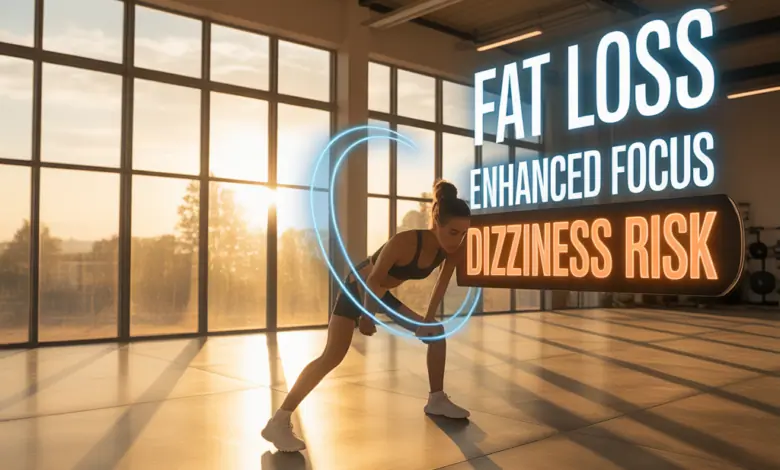
Ever stood outside the gym at 6 a.m., debating whether to wolf down a breakfast or walk in as you are? If you’ve asked yourself, “Should I do a pre workout on an empty stomach?” you’re not alone. Fasted training is trendy, touted for faster fat loss and better insulin sensitivity — but it also comes with performance pitfalls and safety concerns. Let’s break down the real benefits and risks so you can make a smart, personalized decision.
What “Fasted” or Pre Workout on an Empty Stomach Means
Fasted training typically means exercising after 8–12 hours without food — commonly first thing in the morning before breakfast. This approach is also called fasted cardio or fasted strength training. Some people use light pre-workout supplements (caffeine, green tea extract) while still technically “fasted.”
Pre workout on an empty stomach benefits and risks — what the science says
Research shows potential upsides and downsides. Knowing the mechanisms helps you choose the right approach for your goals.
Potential benefits
- Increased fat oxidation: When glycogen stores are low, your body may tap more into fat stores during low-to-moderate intensity exercise.
- Improved insulin sensitivity: Fasted workouts can enhance glucose regulation for some people, which is useful for metabolic health.
- Convenience and consistency: Working out before breakfast removes the decision fatigue of eating and training later in the day — helpful for building routine.
- Hormonal response: Morning fasted exercise can boost catecholamines and growth hormone, which some claim supports fat utilization.
Common risks
- Reduced performance: High-intensity or heavy strength sessions often suffer without pre-workout fuel, leading to lower power and shorter time-to-exhaustion.
- Muscle catabolism: Prolonged fasted training may increase muscle protein breakdown if you consistently lack amino acid availability.
- Dizziness, nausea, or excessive fatigue: Low blood sugar can make workouts unsafe, especially for beginners or those with blood sugar issues.
- Overtraining or poor recovery: If you fast frequently and don’t refuel properly after workouts, recovery and sleep can suffer.
Who might benefit from fasted exercise?
Not everyone responds the same. Fasted training can be useful if:
- Your goal is modest fat loss and you enjoy morning workouts.
- You plan low-to-moderate intensity cardio (walking, steady-state cycling, light jogging).
- You’re consistently fueling correctly after training (post-workout protein + carbs) and overall daily calories are adequate.
Who should avoid a pre workout on an empty stomach?
Skip fasted workouts if you:
- Have diabetes or blood sugar imbalances (unless cleared by a health professional).
- Are pregnant, underweight, or recovering from an eating disorder.
- Are training for performance, heavy strength gains, or high-intensity competition.
- Regularly feel faint, nauseous, or shaky when you skip breakfast.
Practical tips: How to do fasted workouts safely
- Start slow: Begin with light cardio (20–30 minutes) and monitor how you feel. Increase intensity only if comfortable.
- Hydrate well: Drink 300–500 ml of water on waking. Add a pinch of salt or electrolytes if you sweat heavily.
- Use targeted supplements carefully: A cup of black coffee or a low-calorie caffeine pre-workout can boost energy without breaking your fast. If you’re doing strength work, consider a BCAA or essential amino acid drink if preserving muscle is a top priority.
- Refuel after training: Aim for 20–30 g protein and 30–50 g carbohydrates within 60 minutes post-workout to support recovery and muscle protein synthesis.
- Listen to your body: Stop if you feel dizzy, nauseous, or unusually fatigued. Fasted training is optional — not mandatory.
- Periodize your approach: Alternate fasted and fed sessions depending on training goals (e.g., fasted cardio days, fed heavy strength days).
Workout variations for fasted training
Low-to-moderate intensity (best for fat oxidation)
- 30–45 minutes brisk walking or steady-state cycling
- 45–60 minutes easy swimming or elliptical
Strength and hybrid options (use caution)
- Full-body circuit with moderate loads: 3 sets of 8–12 reps, moderate rests. Keep sessions under 45 minutes.
- Short AMRAP (as many rounds as possible) of bodyweight moves — 15–20 minutes — if you tolerate it well.
- Avoid maximal lifts (1–5RM) or very long high-intensity intervals while fasted unless you’re adapted and experienced.
Real-world examples
Sarah, a 35-year-old teacher, prefers fasted morning walks and has lost fat while keeping performance intact because she saves heavy weight sessions for post-breakfast evenings. Tom, a competitive cyclist, tried fasted interval rides but found his power numbers dropped and now uses a small carb snack before high-intensity efforts.
Nutrition and lifestyle advice to support fasted training
- Prioritize sleep: Poor sleep increases hunger and makes fasted training harder. Aim for 7–9 hours nightly.
- Balance daily protein: Spread 1.2–2.0 g/kg body weight across meals to protect muscle mass.
- Time carbohydrates around hard sessions: Fuel high-intensity days with carbs before or after training, not during every morning session.
- Track progress: Measure performance (time, reps, perceived exertion) and body composition to see whether fasted workouts are delivering the desired results.
Signs fasted training is not working for you
- Drop in training performance or strength
- Chronic fatigue, poor sleep, or mood changes
- Unintended weight loss or muscle loss
- Frequent lightheadedness or nausea during sessions
Frequently Asked Questions
Q: Does working out on an empty stomach burn more fat?
A: Fasted workouts can increase fat oxidation during the session, especially during low-to-moderate intensity cardio. However, total daily calorie balance and overall activity determine long-term fat loss. Fasted training is a tool, not a magic bullet.
Q: Is it safe to take a pre-workout supplement on an empty stomach?
A: Many caffeine-based pre-workouts are tolerated on an empty stomach, but stimulants can cause jitteriness, heart palpitations or stomach upset in some people. Start with half a dose and monitor how you feel. Avoid strong stimulants if you have cardiovascular issues or anxiety.
Q: Will fasted training make me lose muscle?
A: If you’re in a severe calorie deficit, skip protein, or do long high-intensity fasted sessions regularly, muscle loss is more likely. You can minimize risk by consuming adequate daily protein, using targeted amino acids if needed, and prioritizing fed sessions for heavy strength training.
Conclusion — Should you do a pre workout on an empty stomach? (Benefits and risks)
Pre workout on an empty stomach benefits and risks vary by person and goal. Fasted workouts can help with fat oxidation, insulin sensitivity, and routine consistency, but they may reduce performance, increase muscle breakdown, and cause dizziness for some. Use a balanced approach: try light fasted sessions, keep heavy lifts fed, hydrate, and prioritize post-workout nutrition. If you’re unsure, test for 2–4 weeks and track results, or consult a healthcare professional.
Ready to experiment safely? Try a 3-week trial of morning fasted cardio paired with evening strength work and track how you feel. If you want tailored plans, check our workout routines, explore recovery in our nutrition guides, or browse lifestyle tips on our wellness tips page to support smarter training.