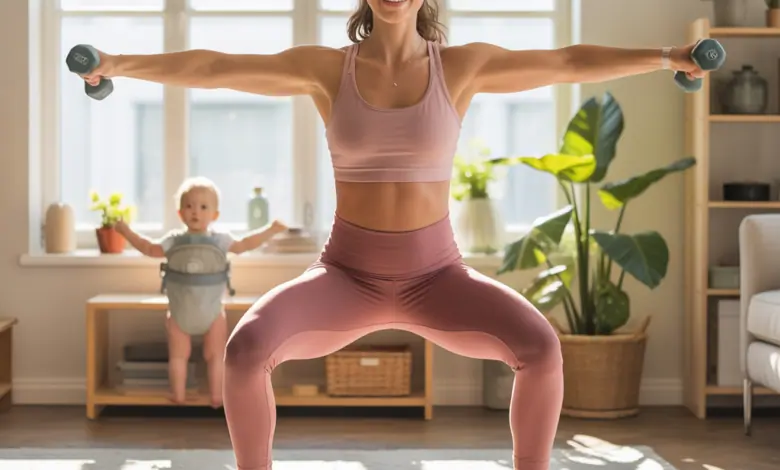
Have you ever finished a diaper change and wondered how you’ll ever find time (or energy) to exercise again? If you’re a new parent balancing feedings, naps, and a tiny human’s unpredictable schedule, returning to fitness can feel overwhelming. These postpartum workout tips will help you reconnect with your body, regain strength safely, and build a realistic routine that fits into life with a baby.
Why gentle, consistent progress matters
Many women want to “bounce back” quickly, but rushing into intense training can increase the risk of pelvic floor problems, diastasis recti, or injury. Postpartum fitness is about rebuilding core stability, improving cardiovascular health, and restoring muscular strength with patience and smart progression. Think sustainable improvements—short, targeted sessions that restore function and confidence.
Postpartum Workout Tips for the First 6–12 Weeks
During the immediate postpartum period focus on healing and gentle activation. Check with your healthcare provider before beginning any exercise—especially after a cesarean delivery or if you experienced complications.
Start with basic mobility and pelvic floor work
- Diaphragmatic breathing: 5–10 deep breaths, focusing on expanding the belly on the inhale and gently drawing the pelvic floor and lower belly in on the exhale.
- Kegels and quick pelvic floor contractions: Aim for several short sets throughout the day to reintroduce control.
- Gentle pelvic tilts and cat-cow stretches: Improve spine mobility and relieve back tension from nursing and carrying baby.
Easy, baby-friendly movement
- Walking: Short 10–20 minute stroller walks are ideal first workouts. Gradually increase pace and duration.
- Heel slides and standing marches: Low-impact ways to rebuild coordination and leg strength.
- Glute bridges: Start with bodyweight glute bridges to strengthen hips and reduce lower-back pain.
Progressing to Strength and Cardio: Weeks 6–12 and Beyond
As you feel stronger and your provider clears you, add resistance training and light cardio. Progress slowly and listen to your body—if you experience leaking, pain, or a bulge in the midline (possible diastasis recti), scale back and consult a pelvic health specialist.
Sample beginner postpartum circuit (20–30 minutes)
- Warm-up: 5 minutes brisk walking or marching
- Circuit (repeat 2–3 rounds):
- 10-12 bodyweight squats or chair squats
- 8–10 glute bridges
- 8–10 bent-over rows with light dumbbells or resistance band
- 10–12 dead bugs (slow, core-friendly movement)
- 30–60 seconds stroller push or light cardio
- Cool-down: gentle stretching and breathing
Workout variations and training options
- Stroller intervals: Alternate fast five-minute pushes with two-minute recovery walks to build cardio safely.
- Resistance-band routines: Portable tools for progressive strength training at home.
- Modified HIIT (10–15 minutes): Short bursts of low-impact movements—marching with high knees, step-back lunges, standing punches—to protect the pelvic floor while improving fitness.
Practical tips to make exercise fit your life
Small changes stack up. Use these practical habits to maintain consistency without extra stress.
- Micro-workouts: Split a 30-minute session into three 10-minute blocks if needed.
- Schedule exercise like an appointment—early morning or during nap time.
- Include your baby: babywearing walks or floor play that turns into gentle resistance training.
- Find accountability: join a postpartum-friendly class or online community for motivation.
Nutrition, sleep, and recovery strategies
Fitness gains depend on recovery. Postpartum nutrition and rest are critical components of any plan.
- Protein-rich meals: Aim for balanced plates with lean protein, healthy fats, and whole grains to support muscle repair—important for breastfeeding moms too.
- Hydration: Drink water throughout the day, particularly before and after workouts.
- Manage sleep with realistic expectations: short naps, sleep when baby sleeps, and ask for help so you can rest.
- Iron and nutrient checks: Low energy can be caused by iron deficiency—get labs checked when possible.
Real-world examples that show progress is possible
Case study: Lisa, a first-time mom, began with 10-minute daily walks and pelvic floor exercises after her 6-week check. By month three she added two 20-minute strength sessions with resistance bands and noticed less back pain and more energy. She celebrated small wins—more stamina during evening playtime and the ability to carry groceries without discomfort.
Case study: Maria returned after a C-section with her provider’s approval and focused on scar mobility, gentle core activation, and walking. At eight weeks she progressed to light kettlebell swings and squats, prioritizing breathing and form to protect her core.
When to see a professional
Consult a pelvic floor physical therapist or healthcare provider if you experience:
- Urine leakage during coughing, running, or jumping
- A visible bulge or gap in the midline (diastasis recti) with straining
- Pelvic pain, heaviness, or ongoing pain with sexual activity
Frequently Asked Questions
1. When can I start postpartum exercise?
Most people can begin gentle pelvic floor work and light walking within days to weeks after delivery, but formal exercise should wait until your healthcare provider clears you—often around 6 weeks for uncomplicated vaginal births and longer for cesareans or complications. Use gradual progression and focus on core reconnection and pelvic health.
2. How do I protect my pelvic floor and avoid diastasis recti?
Prioritize diaphragmatic breathing, gentle core activation (dead bugs, heel slides), and pelvic floor exercises. Avoid heavy lifting, intense abdominal crunches, and high-impact activities until your core is stable. If you notice a gap or doming in your midline, seek assessment from a pelvic health specialist for tailored rehab.
3. How soon will I see results from postpartum workouts?
Improvements in energy, mood, and mobility can appear within a few weeks of consistent movement. Strength and body-composition changes typically take 8–12 weeks of progressive training. Focus on function—reduced back pain, better posture, and easier daily activities are meaningful early wins.
Conclusion: Start small, stay consistent, and prioritize healing
Postpartum workout tips rooted in gradual progression, pelvic floor care, and realistic scheduling will help you rebuild safely. Whether you begin with five-minute breathing sessions or 20-minute strength circuits, consistency matters more than perfection. Ready to build a routine? Check out our workout routines for postpartum-friendly plans, explore practical meal ideas in our nutrition guides, and browse self-care strategies on our wellness tips page. Take one small step today—your body will thank you.