Plantar Fascia Relief: How to Reduce Heel Pain and Get Back on Your Feet

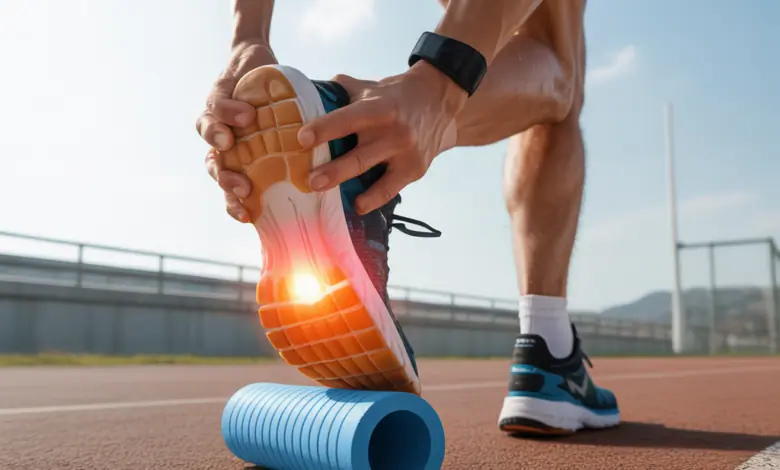
Have you ever taken a single step out of bed and felt a sharp stab in the heel that ruins your morning? If that scenario sounds all too familiar, you’re not alone. Finding fast, reliable plantar fascia relief can be the difference between a productive day and hobbling through tasks. This guide breaks down practical stretches, strengthening exercises, and lifestyle adjustments to help ease foot arch pain and get you moving comfortably again.
Why your plantar fascia hurts (and why relief matters)
The plantar fascia is the thick band of tissue that connects your heel bone to your toes. Overuse, poor footwear, tight calves, sudden weight gain, or repetitive impact (running, standing) can inflame or strain that tissue — a condition commonly called plantar fasciitis. Left unchecked, the pain can limit activity, weaken foot muscles, and create compensatory injuries in knees and hips. Targeted plantar fascia relief helps reduce pain, restore mobility, and prevent long-term issues.
Top 7 Exercises for Plantar Fascia Relief
These exercises combine flexibility and strength work to treat the root causes of heel pain. Aim to perform them daily or at least 4–5 times per week for best results.
1. Calf Stretch (Wall or Step)
How to: Stand facing a wall, place hands on the wall, step one foot back keeping heel down and knee straight; hold 30 seconds. Repeat with the other side. For extra stretch drop your heel off a step.
Reps: 3 holds per side. Why it helps: Tight calves increase tension on the plantar fascia.
2. Towel or Band Plantar Stretch (Morning Routine)
How to: Sit with legs extended, loop a towel or resistance band around your toes, pull gently toward you and hold for 30 seconds. Do this before leaving bed to reduce that first-step pain.
Reps: 3–4 times each foot.
3. Seated Toe Curls and Marble Pickups
How to: Place a towel or 10–20 marbles on the floor and use your toes to scrunch the towel or pick up marbles. This strengthens the small intrinsic foot muscles that support the arch.
Reps: 2 sets of 10–20 reps.
4. Eccentric Heel Raises
How to: Stand on a step with heels hanging off the edge. Rise up on both feet, then shift to the affected foot and slowly lower the heel for a 3–5 second count.
Reps: 3 sets of 10–15. Progressions: Add weight when pain-free.
5. Rolling Massage (Tennis Ball or Frozen Bottle)
How to: Roll the arch of your foot over a tennis ball or frozen water bottle for 1–2 minutes. Use more or less pressure depending on sensitivity.
When to use: Right after workouts or before bed to reduce inflammation and break up adhesions.
6. Short Foot Exercise (Balance and Arch Strength)
How to: While seated or standing, draw the ball of the foot toward the heel without curling the toes (shortening the foot). Hold 5–10 seconds.
Reps: 10–15 holds, 2–3 times daily. This improves arch support and foot stability.
7. Gentle Ankle Mobility
How to: Perform ankle circles and dorsiflexion/plantarflexion movements to maintain joint mobility. Limited ankle range increases strain on the plantar fascia.
Reps: 30 seconds each direction as part of warm-up or cool-down.
Lifestyle Changes That Support Plantar Fascia Relief
Exercise alone won’t fix everything. Combine workouts with smart day-to-day choices:
- Choose supportive footwear: Shoes with good arch support and a cushioned heel reduce impact. Avoid walking long distances barefoot on hard surfaces.
- Use orthotics or heel cups: Over-the-counter or custom insoles can redistribute pressure and support the arch.
- Manage load: If you’re a runner or on your feet all day, temporarily reduce mileage or rotate high-impact activities with cycling or swimming.
- Ice and rest: After intense activity, ice the heel for 10–15 minutes and allow recovery time.
- Weight management and nutrition: Reducing excess body weight decreases load on the plantar fascia. Anti-inflammatory foods and a balanced diet help recovery — see related nutrition guides for actionable tips.
Preventive Strategies and Workout Variations
Modify your training routine to prevent flare-ups:
- Switch to low-impact cross-training on high-pain days.
- Incorporate calf and foot mobility in your warm-ups.
- Try barefoot strengthening exercises on soft surfaces to build intrinsic foot muscles gradually.
- For athletes: include hip and glute strengthening in your program (weak hips can change gait mechanics). See our workout routines for programs that balance foot health and performance.
When to See a Professional
Most cases improve with consistent home care, but consult a healthcare provider if:
- Pain persists beyond 6–8 weeks despite conservative measures
- There is significant swelling, redness, or numbness
- Pain prevents daily activities or sleep
Physical therapists can offer manual therapy, guided exercise progressions, taping, or night splints. In stubborn cases, a podiatrist may discuss corticosteroid injections or other interventions.
Real-World Examples: Simple Wins
Case 1: Emma, a retail associate who stood 8+ hours daily, found relief by switching to cushioned shoes, wearing heel cups, and doing nightly calf stretches. Within four weeks her morning stiffness reduced by 70%.
Case 2: Marco, a recreational runner, cut mileage by 30%, added eccentric heel raises, and used a frozen bottle roll post-run — his flare-ups dropped and he returned to pain-free running in 6 weeks.
Frequently Asked Questions
Q: How long does plantar fascia relief usually take?
A: With consistent stretching, strengthening, and appropriate rest, many people see meaningful improvement in 4–8 weeks. Chronic or severe cases may take several months and benefit from professional care.
Q: Can I keep running if I have plantar fasciitis?
A: It depends on pain levels. If running increases your heel pain, reduce intensity or switch to low-impact cross-training until symptoms improve. Gradually reintroduce running while maintaining the exercises above.
Q: Are orthotics necessary for plantar fascia relief?
A: Not always. Over-the-counter insoles often help by providing immediate cushioning and arch support. Custom orthotics are helpful for persistent or biomechanical issues. Try conservative measures first and consult a specialist if needed.
Conclusion — Take steps toward lasting plantar fascia relief
Plantar fascia relief is achievable with a combination of targeted exercises, smart footwear choices, and sensible lifestyle adjustments. Start with the stretches and strengthening drills above, modify your activities, and monitor progress over several weeks. If you’d like structured plans that include foot-specific strength work and full-body balance, check out our workout routines and explore our wellness tips for recovery strategies. Ready to take the first step? Try today’s calf stretch and 2-minute rolling massage — small actions add up to big improvements.