Ever finished a long day at your desk and noticed your shoulders creeping toward your ears, your back aching, and your energy tanked? What if a 20–30 minute mind-body session could reset your posture, ease pain, and leave you feeling stronger and more focused? A pilates workout may be the low-impact, high-benefit solution you’ve been looking for.
Why Choose a Pilates Workout?
Pilates is a versatile form of exercise focused on core stability, controlled movement, and breath awareness. Whether you’re searching for a beginner pilates workout, a mat pilates routine to do at home, or a reformer Pilates class, this method improves strength, flexibility, balance, and posture without the heavy impact of running or weight training.
Benefits at a Glance
- Stronger core and improved pelvic stability
- Better posture and reduced back pain
- Enhanced flexibility and joint mobility
- Low-impact option for injury recovery or busy schedules
- Mindful movement that reduces stress and improves body awareness
Pilates Workout: Essential Moves for Every Level
Below are effective exercises you can include in your mat or equipment-based sessions. Each move targets core control and alignment—key principles of Pilates.
Beginner Pilates Workout (20–25 minutes)
- Breathing & Pelvic Tilt (2–3 minutes) — Lie on your back, feet flat, inhale to prepare, exhale to draw the navel to the spine and tilt the pelvis up slightly. Repeat 8–10 times.
- The Hundred (Modified) (2 minutes) — Pump arms while keeping knees bent and spine supported. 5–10 short sets of 10 pulses for beginners.
- Single-Leg Stretch (2 minutes) — Alternating knees into the chest with controlled breathing; focus on core stability rather than speed.
- Shoulder Bridge (3–4 reps) — Lift hips into a bridge, articulate the spine up and down with control to mobilize the back and activate glutes.
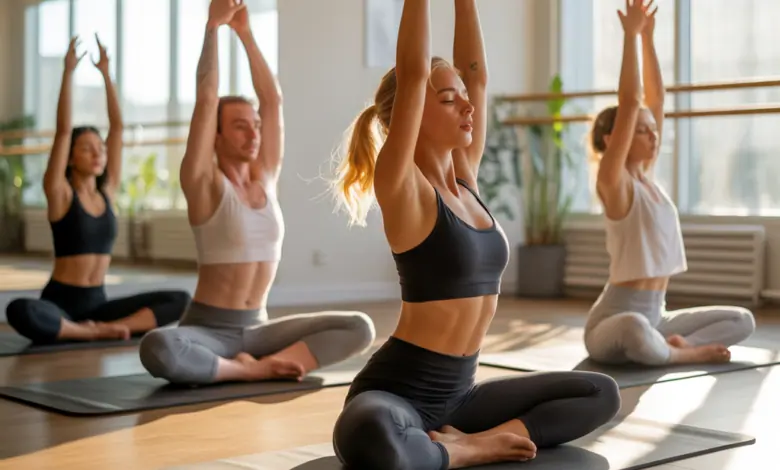
- Spine Twist (Seated) (1–2 minutes) — Sit tall, rotate with control to improve thoracic mobility.
- Child’s Pose and Stretch (2–3 minutes) — Finish with gentle stretching and breathing to cool down.
Intermediate Variations and Equipment Options
Once comfortable, add challenges like straight-leg Hundreds, Teaser progressions, Pilates ring squeezes, or use a reformer for resistance-based movements. Try adding a resistance band for leg circles or side-lying leg work to boost strength and stability.
Practical Tips for a Safer, More Effective Pilates Session
- Focus on form, not reps: Controlled, precise movement trumps high-volume repetition.
- Breathe correctly: Inhale to prepare, exhale through effort—breath supports the core and rhythm of movement.
- Keep a journal: Track your routines, pain-free progress, and increases in flexibility or endurance.
- Consistency over intensity: A short pilates workout 3–4 times per week often beats sporadic long sessions.
- Adapt for pain or injury: Modify range of motion and consult a professional if you have chronic issues or a recent injury.
Pilates Workout at Home: Setup and Quick Routine
You don’t need a studio to get results. Basic equipment like a mat, Pilates ring, or light resistance bands is enough to start an effective home practice. Here’s a quick 15-minute at-home routine to reset posture after long screen time:
- Breathing & pelvic tilts — 2 minutes
- Cat-Cow with core engagement — 2 minutes
- Plank to forearm plank (modified if needed) — 3 rounds of 20–30 seconds
- Side leg lifts (with band if available) — 10 each side
- Rolling like a ball or seated spine stretch — 2 minutes
- Supine stretch & relaxation — 2 minutes
Healthy Lifestyle Advice to Complement Your Pilates Practice
Pilates gives you a strong foundation, but combining it with other healthy habits accelerates results:
- Nutrition: Prioritize whole foods, lean proteins, healthy fats, and hydration to support muscle recovery and energy.
- Sleep: Aim for 7–9 hours nightly; restoration is when strength and flexibility gains consolidate.
- Cross-training: Add walking, cycling, or light strength training for cardiovascular health and muscular balance.
- Mindfulness: Pilates is mind-body work—pair it with short daily meditation or breathing exercises to reduce stress.
Real-World Examples: How Pilates Fits Different Lifestyles
– A busy parent: A 20-minute mat pilates routine on weekend mornings builds core strength and relieves lower back pain from lifting children.
– A desk worker: Short mid-day sessions help correct forward head posture and tight hips, reducing work-related stiffness.
– An athlete: Integrating Pilates as active recovery improves mobility and reduces injury risk without overstressing joints.
Frequently Asked Questions
1. How often should I do a pilates workout to see results?
For noticeable improvements in core strength and posture, aim for 3 times per week. Even 20–30 minutes per session yields progress within 4–6 weeks when you focus on consistent, quality movement.
2. Can I do Pilates at home without equipment?
Yes. Mat Pilates includes many foundational moves that require only a mat or soft surface. Add simple props like a resistance band or Pilates ring as you progress to increase challenge and variety.
3. Is Pilates good for weight loss?
Pilates is primarily a strength, flexibility, and posture program. While it burns calories, significant weight loss usually requires combining Pilates with cardiovascular exercise, calorie-conscious nutrition, and consistent activity levels.
Getting Started: Your First Week Plan
Week 1 (sample):
- Day 1: 20-minute beginner pilates workout (mat)
- Day 2: Light walk + stretching
- Day 3: 20-minute pilates session focusing on breathing and pelvic stability
- Day 4: Rest or gentle mobility work
- Day 5: 25-minute mat pilates routine with a band or ring
- Weekend: One longer 30–40 minute session or try a guided class
This mix of consistency and recovery will set a sustainable habit.
Conclusion
A pilates workout is an accessible, effective way to build core strength, improve posture, and move with more ease—whether you prefer a mat pilates routine at home or a reformer class in the studio. Start small, focus on form, and be consistent. Ready to try a short routine today? Explore our workout routines for guided plans, check our nutrition guides to fuel your practice, or read more wellness tips to support recovery and long-term results.
Try this: schedule three 25-minute pilates workouts this week and note how your posture and energy change in seven days. Share your progress to stay accountable—and keep moving better, every day.