Perimenopause Skin Changes Tips: How to Protect Your Glow During Hormonal Shifts

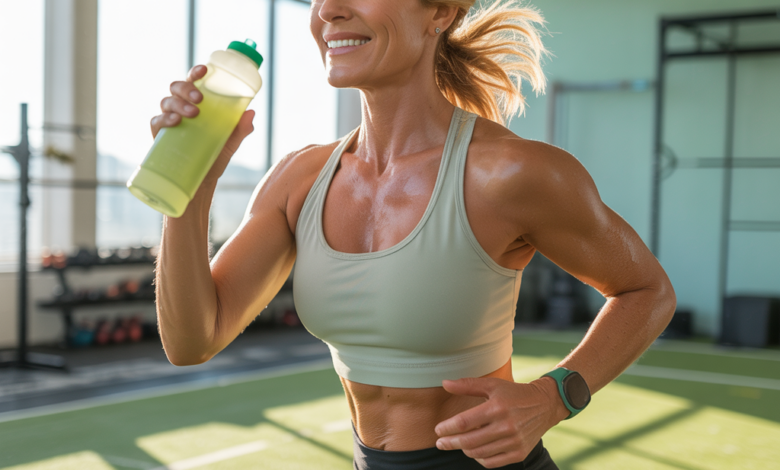
Have you noticed your skin feels drier, more sensitive, or less even than it did a few years ago? Maybe breakouts are back or that once-plump cheek looks a little hollow. If this sounds familiar, you might be living through the subtle — and sometimes frustrating — skin shifts of perimenopause. The good news: with the right approach to skincare, fitness, and lifestyle, you can manage these changes and keep your skin healthy and vibrant.
What causes perimenopause skin changes?
Perimenopause is the transitional phase leading up to menopause when estrogen and progesterone levels fluctuate. These hormonal shifts affect the skin in several ways:
- Reduced collagen and elastin production, causing thinner, less firm skin.
- Lower sebum (oil) production, which can lead to dryness and fine lines.
- Changes in skin barrier function, increasing sensitivity and redness.
- New patterns of pigmentation and slower wound healing.
Perimenopause skin changes tips: practical strategies that work
Below are focused, science-backed tips to address perimenopausal and menopause-related skin changes. Use them as a roadmap for building a daily routine that really helps.
Gentle but effective skincare routine
- Cleanse gently: Use a sulfate-free, hydrating cleanser to avoid stripping fragile skin oils.
- Layer hydration: Apply a hyaluronic acid serum on damp skin, then a richer moisturizer to lock in moisture.
- Restore barrier function: Look for ceramides, niacinamide, and fatty acids to rebuild the skin barrier and reduce redness.
- Use active ingredients wisely: Retinoids (start low and go slow) boost collagen; vitamin C brightens and protects; alpha hydroxy acids (AHAs) can help with texture.
- Never skip sunscreen: Broad-spectrum SPF 30+ protects against pigmentation and accelerates aging. Apply daily, even on cloudy days.
Targeted treatments for common issues
- Dryness and flaking: Add overnight occlusives (like petrolatum-free balms) and avoid hot showers.
- Sensitivity and rosacea-like flushing: Stick to fragrance-free products and consider consulting a dermatologist for medical options.
- Loss of firmness: Retinoids, collagen-supporting peptides, facial resistance exercises, and targeted strength training help.
Fitness tips and workout variations to support skin health
Exercise isn’t just for weight or mood — it supports circulation, lymphatic drainage, and collagen synthesis, all of which benefit the skin. Here are practical workout tips tailored for perimenopausal women:
Strength training (3x week)
- Compound moves: squats, deadlifts, lunges and rows help maintain muscle mass and bone density.
- Face and neck benefit indirectly from improved muscle tone and posture.
- Variation: use resistance bands or bodyweight if you’re short on equipment.
Cardio and circulation (2–3x week)
- Moderate-intensity cardio (brisk walking, cycling, swimming) boosts blood flow and oxygen to the skin.
- Interval training (short bursts of higher intensity) can improve metabolic health without excessive stress on joints.
Mobility, breathwork and stress reduction
- Gentle yoga, Pilates, and stretching improve posture and facial drainage.
- Daily breathwork or 5–10 minute mindfulness sessions reduce cortisol, which can exacerbate skin inflammation.
Real-world variation: If you’re short on time, do a 20-minute HIIT or strength circuit at home (3 rounds of squats, pushups, rows, planks). If joint pain is an issue, swap to low-impact options like swimming or cycling.
Nutrition and lifestyle habits for glowing perimenopausal skin
What you eat and how you live directly influence your skin’s resilience.
- Protein and collagen-supporting nutrients: Aim for sufficient protein, vitamin C, zinc, and copper to support collagen production.
- Healthy fats: Omega-3s from fish, flaxseed, or walnuts help maintain skin barrier and reduce dryness.
- Hydration: Drink adequate water, and include water-rich foods like cucumbers and berries.
- Limit alcohol and refined sugar: Both can worsen inflammation, redness, and collagen breakdown.
- Prioritize sleep: Remodeling and repair happen during deep sleep; aim for 7–8 hours.
Combine these habits with your fitness plan — for example, do strength workouts on higher-protein days and enjoy an anti-inflammatory meal post-workout (salmon, quinoa, roasted veggies).
Real-world examples that show these tips work
Jane, 48, noticed thinner skin and more fine lines. She added two weekly strength sessions, used a hyaluronic serum plus a ceramide-rich moisturizer, and slept 7–8 hours consistently. Within three months she reported plumper skin and fewer irritation flare-ups.
Maria, 52, had renewed acne and sensitivity. She removed fragranced products, used a gentle BHA twice weekly, and swapped late-night wine for herbal tea. Her redness decreased and breakouts became less frequent.
Frequently Asked Questions
Q: What causes skin changes during perimenopause?
A: Hormonal fluctuations (declining estrogen and progesterone) reduce collagen, decrease oil production, and alter skin barrier function. These changes cause dryness, thinning, sensitivity, and pigmentation shifts.
Q: Which skincare ingredients are best for perimenopausal skin?
A: Key ingredients include retinoids (for collagen), hyaluronic acid (for hydration), ceramides and niacinamide (for barrier repair), antioxidants like vitamin C (for protection and brightening), and sunscreens (daily UV defense).
Q: Can exercise really help perimenopause skin changes?
A: Yes. Regular resistance training preserves muscle and skin-supporting structures, cardio improves circulation, and stress-reducing practices lower cortisol-related inflammation. Together these help maintain a healthier complexion.
Conclusion — Take action with these perimenopause skin changes tips
Perimenopause brings real, manageable skin changes. By combining a gentle, targeted skincare routine with regular strength and cardio workouts, better sleep, and nutrient-rich eating, you can protect your skin and feel more confident. Start small: choose one new skincare habit, schedule two weekly strength sessions, and cut back on evening alcohol for two weeks. Notice the difference.
Ready to build a plan? Explore our workout routines for strength templates, check our nutrition guides for skin-supporting meals, and browse practical wellness tips to lower stress and improve sleep.
Want more personalized guidance? Leave a comment below or sign up for the weekly newsletter to get tailored perimenopause strategies delivered to your inbox.