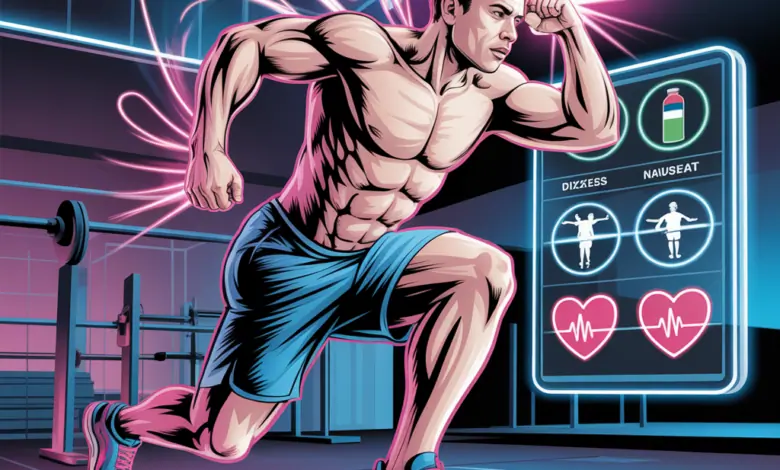
Ever thrown an extra scoop of pre-workout into your shaker because you were running late, feeling tired, or chasing a new personal best? You’re not alone. But what happens when that “boost” goes too far? In this article we’ll break down overdosing on pre workout risks and symptoms in clear, actionable terms so you can stay safe, train smarter, and still crush your goals.
Why people overdo pre-workout: a familiar scenario
It starts innocently: caffeine tolerance builds, motivation dips, and the temptation to take more feels like the only option. Whether it’s stacking supplements, mixing products, or doubling a scoop to power through fatigue, misuse can lead to stimulant overload, dehydration, and unwanted side effects. Understanding the warning signs helps you avoid a dangerous slip from “energized” to “overstimulated.”
Overdosing on pre workout risks and symptoms
The phrase “overdosing on pre workout risks and symptoms” covers a range of issues from uncomfortable side effects to medical emergencies. Pre-workout supplements often contain high doses of caffeine, beta-alanine, niacin, and other stimulants. Too much can stress the heart, brain, and digestive system.
Cardiovascular symptoms
- Rapid heartbeat (tachycardia) or palpitations
- High blood pressure or sudden spikes in blood pressure
- Dizziness or lightheadedness, which can lead to fainting
- Chest pain — this is a red flag that needs immediate medical attention
Nervous system and mood symptoms
- Anxiety, jitteriness, or panic attacks
- Insomnia or severe sleep disturbance
- Headaches, tremors, or restlessness
- Confusion or disorientation in severe cases
Gastrointestinal and other physical symptoms
- Nausea, vomiting, or diarrhea
- Hot flashes, sweating, or excessive thirst (dehydration)
- Tingling or flushing from ingredients like beta-alanine or niacin
Who’s most at risk?
Some people are more vulnerable to pre-workout side effects and overdosing than others:
- People sensitive to caffeine or stimulants
- Those with high blood pressure, heart disease, or arrhythmias
- Older adults and people taking prescription medications
- Athletes stacking multiple supplements or using multiple stimulant sources (coffee, energy drinks, fat burners)
What to do if you suspect a pre-workout overdose
If someone shows severe symptoms — chest pain, fainting, trouble breathing, confusion — call emergency services immediately. For milder symptoms, take these practical steps:
- Stop exercising and move to a cool, calm space.
- Hydrate with water or an electrolyte beverage to counteract dehydration.
- Try slow, deep breathing to reduce anxiety and heart rate.
- Avoid additional caffeine or stimulants for at least 24–48 hours.
- If symptoms persist or worsen, contact a healthcare provider or urgent care.
How to prevent overdosing on pre workout
Prevention is straightforward and rooted in good habits. Consider the following practical tips and healthy lifestyle advice to avoid stimulant overload and keep workouts effective:
Read labels and start low
- Check total caffeine per serving and count other sources (coffee, tea, energy drinks).
- Start with half a scoop to assess tolerance, especially with new formulas.
- Avoid mixing multiple pre-workouts or stacking with stimulant-based fat burners.
Timing, sleep, and caffeine windows
- Take pre-workout 20–45 minutes before training, but avoid late-night use if you train after 6–8pm.
- Prioritize sleep — chronic sleep debt increases reliance on stimulants.
Choose alternatives and natural pre-workout options
- Try a banana and a small cup of coffee or green tea for a milder lift.
- Use non-stimulant pre-workouts with citrulline, creatine, and BCAAs for pump and endurance without jitteriness.
Smart training practices
- Periodize stimulant use — use pre-workout on hard sessions, skip on recovery or technique days.
- Incorporate varied workouts: resistance training, sprint intervals, and low-intensity steady-state cardio (LISS) to reduce psychological dependence on stimulants.
- Listen to your body and adjust intensity instead of chasing an artificial “high.”
Real-world examples
Example 1: Marcus, a 28-year-old lifter, doubled his pre-workout dose before a heavy leg day because he felt sluggish. He experienced intense heart palpitations and dizziness mid-squat and had to stop. After hydrating and resting, he recovered but cut caffeine sources and switched to a lower-stimulant formula.
Example 2: Olivia, a nurse on rotating shifts, relied on pre-workout and coffee to stay alert. Over weeks she developed severe insomnia and anxiety. She replaced pre-workout with a natural snack, improved sleep hygiene, and used non-stimulant supplements for long shifts.
Practical fitness tips and workout variations
Want the benefits of a powerful session without increasing stimulant risk? Try these:
- Contrast sessions: Pair a high-intensity day (with pre-workout if you tolerate it) with a recovery mobility day—no stimulants.
- Tempo training: Slow down reps to increase metabolic demand without upping stimulants.
- Cluster sets or shorter rest periods: Maintain intensity using programming adjustments rather than extra caffeine.
When to see a doctor
Seek medical evaluation if you have recurrent palpitations, chest pain, high blood pressure spikes, or new episodes of severe anxiety after using pre-workouts. Document the product name, ingredients, and amount taken — this helps clinicians assess stimulant exposure.
Frequently Asked Questions
Q1: How can I tell if I overdosed on pre workout?
A: Common signs include rapid heartbeat, severe jitteriness, dizziness, nausea, and intense anxiety. If symptoms are severe (chest pain, fainting, trouble breathing), call emergency services immediately.
Q2: Can pre-workout cause long-term heart problems?
A: High and repeated stimulant exposure may increase cardiovascular risk, especially in people with underlying heart conditions. Regularly using excessively high doses is not recommended; consult a healthcare provider for personalized advice.
Q3: Are non-stimulant pre-workouts effective?
A: Yes. Non-stimulant formulas containing ingredients like citrulline, creatine, beta-alanine, and betaine can improve performance, pump, and endurance without caffeine-related side effects.
Conclusion — Protect your gains by protecting your health
Understanding overdosing on pre workout risks and symptoms is about balancing performance with safety. Read labels, respect your tolerance, use smart programming, and prioritize sleep and nutrition. If you’re unsure which products suit you, talk to a healthcare professional or a certified coach. Ready to build smarter sessions? Check our workout routines for sustainable programming, explore our nutrition guides to fuel performance safely, and browse wellness tips to support recovery. If you experienced acute symptoms after taking a pre-workout, seek medical attention without delay.
Want more tips on safe supplementation and workout planning? Subscribe to updates or drop a question below — your health matters as much as your PRs.