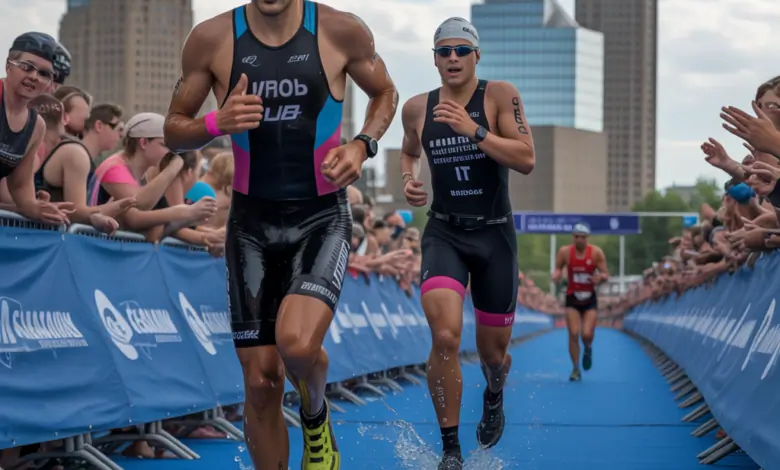
Ever pictured standing at the swim start, heart pounding, wondering if you packed the right gear or nailed your pacing plan? If that thought keeps you up the night before, this Omaha triathlon guide race day is for you. Whether you’re a first-timer facing the open water or a seasoned racer chasing a PR, this post walks you through race morning to the final run, with practical tips, workout variations, and real-world examples that actually work.
Why a Local Race Day Guide Matters
Racing in Omaha has its own rhythms — from river or lake swims to summer heat and busy transition areas. A race-day plan tuned to local conditions reduces stress and improves performance. This guide focuses on actionable steps: gear, nutrition, pacing, and transition strategy so you can focus on the course, not the chaos.
Pre-Race Preparation: The Week Before
Checklist: What to Pack
- Tri suit or race-day clothing plus a change of dry clothes
- Swim: goggles (2 pairs), swim cap, anti-fog, wetsuit (if allowed)
- Bike: helmet, sunglasses, flat repair kit, pump/CO2, spare tube
- Run: race shoes, socks, hat/visor
- Nutrition: gels, chews, electrolytes, bottle on bike
- Extras: sunscreen, body glide, race belt, towel, ID
Key Prep Tips
- Do a final bike tune and get a quick brake/gear check 2–3 days before the race.
- Practice a short brick workout (20–30 min bike + 10–15 min run) 3 days out to fine-tune the run-off-the-bike feeling.
- Stick to familiar foods; avoid heavy or overly fibrous meals the night before.
- Hydrate steadily all week rather than chugging water on race morning.
omaha triathlon guide race day: Morning Routine and Timing
Race morning is about rhythm and calm execution. Arrive early to claim space in the transition area and to get warm in the water.
Two-Hour Timeline (example)
- 2:00 — Arrive at venue, racked bike, layout transition items.
- 1:30 — Body marking, bathroom, short jog/warm-up swim if allowed.
- 0:45 — Final nutrition (small carb snack), pump tires, apply sunscreen.
- 0:20 — Wetsuit on (if using), goggles ready, mental rehearsal.
- 0:05 — Line up for the start zone, controlled breathing.
Warm-Up Suggestions
A 10–15 minute dynamic warm-up and a brief sighting swim will boost confidence. If the race includes an open-water start, practice bilateral breathing and a few sighting drills in your warm-up.
Swim, Bike, Run: Practical Race Strategies
Swim: Start Smart, Finish Smooth
- Start conservatively to avoid early lactate build-up; first 200–400m should feel controlled.
- Sight every 6–8 strokes and pick a consistent landmark to maintain a straight line.
- If you’re nervous about contact, start slightly outside the pack and swim into a gap after 100–200m.
Bike: Power, Pace, and Positioning
- Use a power or perceived-effort chart: warm up 5–10 minutes, then settle at your planned race power (or pace) — avoid surging on hills.
- Practice cornering and braking in the days before; smooth handling saves seconds in tight turns.
- Drafting rules vary — know race regulations and ride confidently but legally.
Run: The Final Push
- Start the run at an easier pace for the first 1–2 kilometers to let your legs adapt.
- Use short walk breaks at fuel stations if heat is a factor — they can keep overall pace steadier than a mid-race bonk.
- Finish strong: pick a point in the final kilometer and increase cadence in small increments.
Training Workouts and Variations
Use specific sessions to prepare for Omaha conditions. Mix these into your weekly plan depending on experience level.
Swim Workouts
- Beginner: 6 x 100 at moderate effort with 20–30s rest.
- Intermediate: 4 x 200 with descending pace and 30s rest.
- Advanced: Open-water simulation — 10–15 minute continuous swim with sighting every 6 strokes.
Bike + Run (Brick) Workouts
- Beginner: 30 min easy bike + 10 min easy run.
- Intermediate: 45–60 min tempo bike + 20 min steady run holding race pace.
- Advanced: 90 min ride with intervals (4 x 8 min at race power) + 30 min run with 3 x 3 min at 10K pace.
Want structured sessions? Check our workout routines page for weekly plans tailored to sprint, Olympic, and longer distances.
Nutrition and Recovery: What Works on Race Day
Fueling appropriately can be the difference between cruising and struggling. Aim for 30–60g carbs per hour on the bike for events over an hour, paired with electrolytes. For race morning, a familiar breakfast (toast, banana, small coffee) 2–3 hours prior works for most athletes.
- Pre-race: low-fiber, moderate-carb meal 2–3 hours before start.
- During race: small, frequent feeds rather than one large gel; practice this in training.
- After race: prioritize protein + carbs within 30–60 minutes to aid recovery.
For detailed meal plans and timing, browse our nutrition guides section.
Mental Game and Real-World Examples
Mental rehearsal matters. Picture the transitions, the sighting, the first hill — mentally run through each phase. Real-world example: one of my athletes, Jordan, was anxious about the open water. We used visualization and short, calm swims the week prior and he finished 5 minutes faster than his predicted time. Confidence reduces mistakes.
Race Day Logistics and Local Tips
- Know parking and shuttle options; plan extra time for contingencies.
- Scout the bike course if possible — note tricky turns and road surface changes.
- Prepare for Omaha weather: mornings can be calm but mid-day humidity rises; layer clothing appropriately.
Also useful: quick mobility work and foam rolling the night before to feel loose without overstressing fatigued muscles. For everyday health and resilience tips, visit our wellness tips page.
Frequently Asked Questions
1. What should I pack for an Omaha triathlon race day?
Pack tri suit, two goggles, swim cap, helmet, bike repair kit, spare tube, running shoes, nutrition (gels/electrolytes), sunscreen, towel, and a change of clothes. Lay everything out the night before to prevent last-minute panic.
2. How early should I arrive at the venue?
Plan to arrive 1.5–2 hours before your start time. This gives time for parking, racking, body marking, warm-up, and a calm pre-race routine.
3. How do I handle open-water nerves during the swim?
Practice sighting and bilateral breathing during training, start on the outside of the pack if you fear contact, and include a calm warm-up swim to settle your breathing. Visualization and focused breathing moments before the start help too.
Conclusion: Execute Your Omaha Triathlon Guide Race Day Plan
With this Omaha triathlon guide race day checklist and strategy, you’ll approach race morning with clarity and confidence. Focus on preparation, steady pacing, practiced nutrition, and a calm mental approach. Ready to put the plan into action? Review a tailored weekly schedule on our workout routines page, fine-tune your fueling on our nutrition guides, and add daily recovery habits from our wellness tips. Sign up for race reminders and coaching tips to make your next Omaha triathlon your best one yet.