North Shore Swim Series: Your Complete Guide to Training, Racing, and Thriving in Open Water

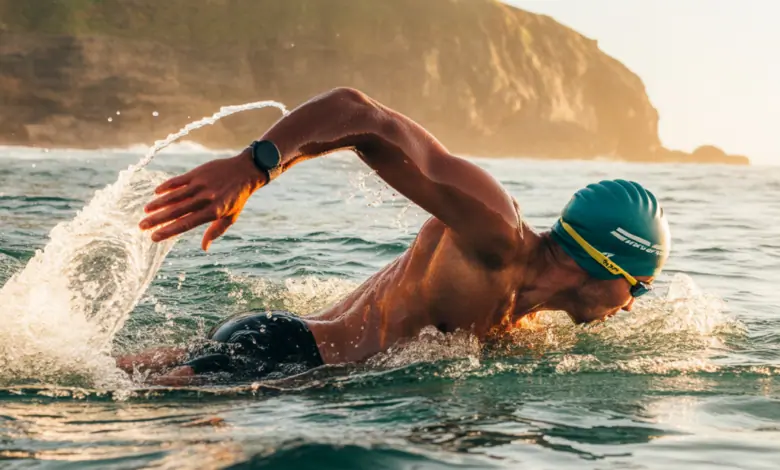
Have you ever stood on a beach, wetsuit zipped halfway, watching a line of swimmers bob on the horizon and wondered, “Could I do that?” Whether you’re imagining your first ocean race or chasing a personal best, the North Shore Swim Series offers the perfect mix of community, challenge, and beautiful open-water courses. This guide will walk you through training plans, race strategy, nutrition, and safety so you arrive on race day confident and ready.
What is the North Shore Swim Series?
The North Shore Swim Series is a multi-event open-water swim series held across picturesque coastal venues. It attracts swimmers of all levels—from first-time ocean swimmers to seasoned triathletes. Events typically include varying distances (sprints, middle-distance, and longer swims), friendly competition, and often post-race community gatherings. Think of it as your local open-water race calendar with a social, supportive vibe.
Preparing for the North Shore Swim Series: Training Basics
Training for an open-water swim series is different from pool-only training. You need endurance and speed, plus skills like sighting, drafting, and coping with chop and currents. Below is a practical approach to prepare in 6–8 weeks.
Weekly training framework
- Swim sessions: 3–4 per week (including one long open-water or simulation session)
- Strength and mobility: 2 sessions focusing on shoulders, core, and hip stability
- Cross-training: 1 session (cycling or easy run) to build aerobic base without extra shoulder load
- Recovery: 1–2 full rest or active recovery days (stretching, yoga)
Sample workouts for different levels
Beginner: Building comfort and endurance (45–60 minutes)
- Warm-up: 200 easy swim + 4 x 50 drills (catch-up, fingertip drag)
- Main set: 6 x 200 steady with 30–45 seconds rest (focus on relaxed breathing, bilateral when possible)
- Cool-down: 100 easy
- Open-water session: 20–30 minutes continuous swim practicing sighting every 6–8 strokes
Intermediate: Speed and open-water skills (60–75 minutes)
- Warm-up: 400 (mix swim/drills) + 4 x 50 build
- Main set: 5 x 400 at threshold pace, 30 seconds rest; include 4 x 25 race-pace sprints
- Drills: 6 x 100 focusing on sighting and turning off buoys
- Strength: two 30-minute sessions per week with band work, rows, planks
Advanced: Race-specific intensity (75–90 minutes)
- Warm-up: 600 with drills and builds
- Main set: 3 x 800 negative-split (start steady, finish faster) + 10 x 50 hard with 20s rest
- Open-water simulation: mass-start practice, drafting, and buoy turns
- Recovery swim: 300 easy
Technique and Open-Water Skills
Technique often wins races. Focus on a long, efficient stroke, strong catch, and consistent kick. Open-water skills to practice:
- Sighting: lift eyes briefly every 6–10 strokes without disrupting rhythm
- Drafting: swim just off another’s hip to conserve energy
- Buoy turns: practice tight, efficient turns to minimize time loss
- Mass starts: prepare mentally for jostling and learn to find clear water quickly
Nutrition, Hydration, and Recovery
Fuel and recovery are as important as pool time. Use these guidelines to feel strong on race day:
- Pre-race: 1–3 hours before start, eat a carbohydrate-rich meal (oatmeal, toast with banana) and hydrate with water and electrolytes
- During longer swims: train with gels or small sports drinks in practice to find what sits well
- Post-swim recovery: prioritize 20–30g of protein within 45 minutes (shake, yogurt, eggs) and carbs to replenish glycogen
- Sleep: aim for 7–9 hours; consistent sleep improves adaptation and performance
Gear and Race-Day Strategy
Choosing the right gear makes the day easier. Essential items:
- Wetsuit: fits snugly; conserves heat and adds buoyancy in cold water
- Bright-colored swim cap: improves visibility for safety
- Goggles: tinted for sun, clear for low light; consider a backup pair
- Anti-chafe balm and a lightweight robe for pre/post-race comfort
Race-day strategy tips:
- Arrive early to inspect conditions and plan sighting landmarks
- Warm-up with dynamic stretches and a short swim if possible
- Start conservatively—avoid redlining in the first buoy section
- Break the course into sections and set mini-goals (reach the third buoy, maintain form for the next 10 minutes)
Safety and Cold-Water Acclimatization
Open-water conditions vary. Prioritize safety with these steps:
- Check water temperature and local safety briefings
- Acclimate with progressive cold-water exposures (start with 10–15 minute swims, increasing duration)
- Never swim alone in open water; practice with buddies or coached groups
- Know the signs of hypothermia and how to exit the water safely
Real-World Example: From First-Timer to Finish Line
Emma, a busy teacher from a lakeside town, signed up for the North Shore Swim Series with zero open-water experience. She followed an 8-week plan: three swims per week, two strength sessions, and one open-water practice. By race day she had built steady endurance, practiced sighting and buoy turns, and learned to relax during the mass start. She finished smiling and joined the post-race community BBQ—a reminder that consistent, focused training pays off.
Frequently Asked Questions
How should I train if I can’t get to open water often?
If open water access is limited, simulate conditions in the pool: longer sets, sighting drills (lift head every 6–8 strokes), and interval work to mimic race intensity. Add a weekly long swim in the pool and include cross-training (cycling or rowing) to build aerobic capacity. When possible, attend at least 2 open-water sessions before race day to practice sighting and starts.
Do I need a wetsuit for the North Shore Swim Series?
Wetsuit rules depend on water temperature and event regulations. Wetsuits provide buoyancy and warmth, beneficial in colder conditions. Practice with a wetsuit before race day to get used to restricted breathing patterns and arm mobility.
What’s a realistic training timeline for a beginner?
Beginners can prepare for a sprint open-water swim in 6–8 weeks with consistent training (3 swims per week, plus strength work). For longer distances or multiple events in a series, plan 10–12 weeks to build endurance gradually and reduce injury risk.
Conclusion: Take the Plunge into the North Shore Swim Series
Whether you’re chasing a new fitness goal, training for triathlon season, or seeking a supportive community event, the North Shore Swim Series is a fantastic challenge. With targeted swim sessions, open-water skills practice, sensible nutrition, and safety awareness, you can arrive prepared and confident. Ready to get started? Check out our workout routines and browse our nutrition guides to build a race-ready plan, and don’t forget to explore wellness tips for better recovery and consistency. Sign up for an open-water session this week and take that first confident swim toward the start line.
Ready to train smarter? Visit our workout routines, explore our nutrition guides, and pick up quick recovery ideas from our wellness tips page.