Woke up with a painful red bump on your eyelid and immediately wondered, “How did this happen right before my morning run?” If you’ve ever had an eye stye—annoying, tender, and impossible to ignore—you know the scramble for quick relief. In this post I’ll walk you through effective, doctor-friendly natural remedies for eye styes, plus lifestyle and fitness tips to help prevent them in the future.
What is an eye stye (and why it shows up at the worst times)
A stye (hordeolum) is a small, painful lump on the eyelid caused by a clogged oil gland or bacterial infection. Styes can feel like a pimple on the eyelid, and sometimes they look like a chalazion when more chronic. Common triggers include touching your eyes with dirty hands, wearing old eye makeup, contact lens irritation, or simply a lowered immune response from stress or lack of sleep.
Natural Remedies for Eye Styes: Home Treatments That Work
These safe, easy at-home strategies can reduce pain and speed healing when used properly. If symptoms worsen or the stye affects your vision, contact a healthcare professional.
Warm compress — the cornerstone treatment
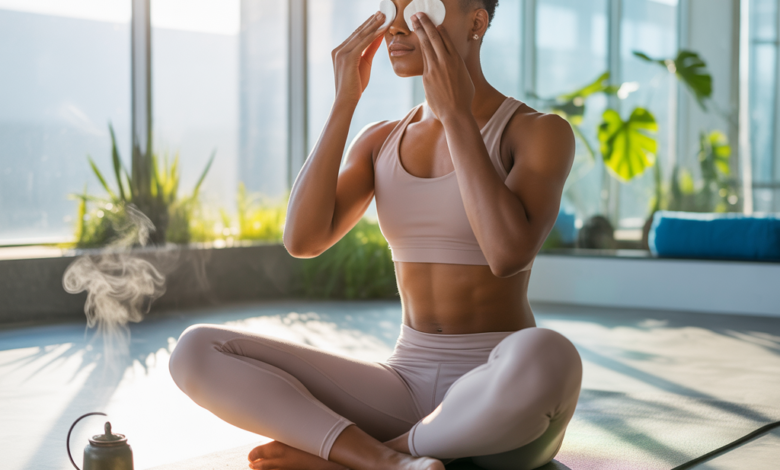
Apply a clean warm (not hot) compress for 10–15 minutes, 3–6 times a day. Heat softens the blocked oil, encourages drainage, and reduces swelling. Use a clean washcloth soaked in warm water and reheat as needed. Example: Sarah, a weekend runner, carries a small microfiber cloth in her gym bag and re-wets it after workouts to soothe recurring blepharitis-related bumps.
Gentle eyelid massage
After a warm compress, gently massage the eyelid toward the lash line for 30–60 seconds to help express the clogged gland. Use clean hands and light pressure. Repeat twice a day.
Tea bag compress (caution: use cooling not hot)
Black or green tea bags contain tannins that can reduce inflammation. Steep a tea bag, let it cool to warm, then place it over the closed eyelid for 5–10 minutes. Make sure the bag is clean and don’t use this if you have a known tea allergy.
Saline rinse and gentle lid scrubs
Rinse with sterile saline or use a diluted baby shampoo eyelid scrub to clean lashes and remove crusts. Mix one part mild baby shampoo with 10 parts warm water and gently clean the base of the lashes with a cotton swab once or twice daily.
Avoid squeezing or popping
Never pop a stye. Squeezing can spread infection and worsen inflammation. Let the stye drain on its own with warm compresses, or seek medical care if it persists.
Natural topical aids to consider
- Manuka honey — some people apply a diluted paste for its antimicrobial properties (patch-test and consult a clinician first).
- Cucumber slices or cold compresses — reduce swelling after initial warmth.
Prevention and lifestyle changes (fitness, nutrition & daily habits)
Keeping your immune system strong and maintaining good eyelid hygiene are two powerful prevention strategies.
Fitness tips to boost immunity and reduce recurrence
Exercise supports circulation, immune health, and stress control — all relevant for preventing styes.
- Cardio: Aim for 150 minutes of moderate cardio weekly (brisk walking, cycling) to support overall health.
- Strength training: Two sessions per week help maintain muscle mass and metabolic health.
- HIIT alternative: Short 20–25 minute interval sessions 2–3 times weekly if you’re pressed for time.
- Yoga and breathing: Add restorative yoga or 10–15 minutes of breathing exercises to lower stress and improve sleep — critical for eye health.
See our workout routines for quick plans that fit busy schedules.
Nutrition and supplements that support healing
Eat a balanced diet rich in vitamin A, vitamin C, zinc, and omega-3 fatty acids to support skin and gland health. Include leafy greens, citrus, oily fish, nuts, and seeds. If you use supplements, consult your healthcare provider. For meal ideas and nutrient timing, check out our nutrition guides.
Daily habits and hygiene
- Wash hands frequently and avoid rubbing eyes, especially during workouts or after using shared gym equipment.
- Replace eye makeup every 3–6 months and avoid using old liner or mascara while healing.
- Keep contact lenses and cases clean; switch to glasses until the stye heals.
- Sleep well — aim for 7–9 hours to let your immune system recover.
When to see a doctor
Most styes resolve in a week or two with home care. Seek medical attention if you experience:
- Rapid worsening, intense pain, or spreading redness
- Vision changes or difficulty opening the eye
- Recurrent styes or a lump that doesn’t improve after 2–3 weeks
A doctor may prescribe antibiotic ointment or, rarely, perform a minor drainage procedure.
Frequently Asked Questions
Q: Can I pop a stye to make it go away faster?
A: No. Popping a stye increases the risk of spreading infection and scarring. Use warm compresses and gentle massage instead. If it doesn’t drain naturally, see a healthcare provider.
Q: How long do styes usually last?
A: Most styes improve within 3–7 days and resolve within 1–2 weeks with consistent home care. If a lump persists beyond 2–3 weeks, seek medical evaluation.
Q: Are tea bag compresses safe for treating styes?
A: Yes, when used correctly. Use a clean tea bag, steep and let it cool to warm (not hot), then place on the closed eyelid for 5–10 minutes. Don’t use if you have a tea allergy or if the stye is severely infected—consult a doctor instead.
Conclusion
Natural remedies for eye styes—warm compresses, gentle eyelid massage, clean lid hygiene, targeted nutrition, and smart fitness routines—can provide real relief and help prevent recurrences. Start with consistent warm compresses and a simple eyelid-cleaning routine, combine that with stress-reducing workouts and a nutrient-rich diet, and you’ll often see improvement in days. If symptoms worsen or don’t resolve, seek medical care. Ready to build a lifestyle that protects your eyes and overall health? Explore our wellness tips, try a calming yoga flow after your next run, and give those warm compresses a go—your eyes will thank you.
Call to action: Try these natural remedies for eye styes today and share your experience in the comments — or check out our workout and nutrition pages to strengthen your defenses against future flare-ups.