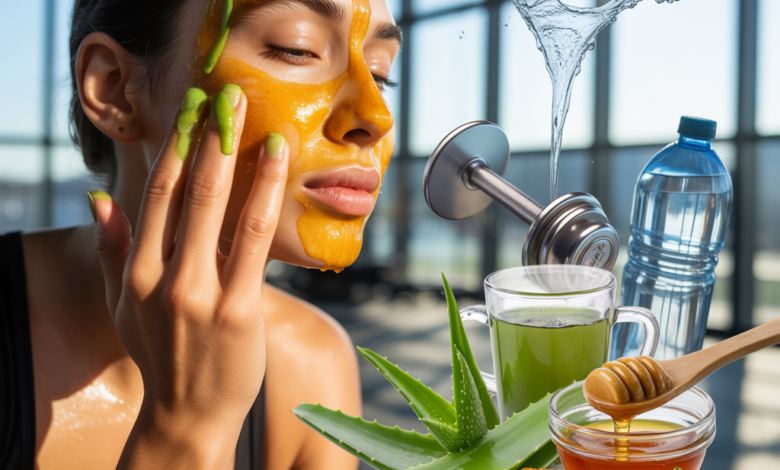
Ever stood in front of the mirror before an important meeting or a weekend date and thought, “Why is this breakout happening now?” You’re not alone. Acne can feel like a puzzle—triggered by stress, workouts, hormones, or the food you eat. The good news: there are practical, science-friendly natural acne solutions that fit into an active, healthy lifestyle.
Why choose natural acne solutions?
Many people want to clear skin without relying on strong prescription medications or benzoyl peroxide every day. Natural acne remedies — like targeted skincare, anti-inflammatory foods, and smart workout habits — help reduce breakouts while supporting overall health. These holistic acne treatment strategies aim to balance oil production, calm inflammation, and prevent clogged pores.
How lifestyle influences acne
Diet and skin: more than a myth
What you eat can influence inflammation and oil balance. Long-term evidence points to high-glycemic diets and excessive dairy being linked to acne flare-ups for some people. Instead, focus on:
- Low-glycemic carbs (sweet potatoes, oats, quinoa)
- Anti-inflammatory fats (salmon, walnuts, flaxseed)
- Plenty of vegetables and antioxidant-rich fruits
- Probiotic-rich foods (yogurt with live cultures, kefir, fermented veggies) to support gut-skin health
Sleep, stress, and hormones
Poor sleep and chronic stress increase cortisol and inflammatory signals, which can worsen acne. Prioritize 7–8 hours of quality sleep and practice daily stress-reduction techniques like deep breathing, short mindfulness sessions, or a 20-minute walk after work.
Top natural acne solutions that actually work
Below are practical strategies you can start this week. These methods combine home remedies with lifestyle tweaks that are easy to maintain.
1. Gentle, consistent skincare
- Cleanse twice daily with a gentle, non-comedogenic cleanser.
- Use exfoliation sparingly: a chemical exfoliant like low-strength salicylic acid 1–2 times a week can unclog pores without abrasive scrubbing.
- Try topical tea tree oil (diluted) for spot treatments — it has antibacterial properties similar to benzoyl peroxide but is gentler for many people.
- Avoid over-washing or heavy scrubs that damage the skin barrier and increase oil production.
2. Anti-inflammatory nutrition
Incorporate vitamin- and mineral-rich foods that support skin repair: leafy greens, berries, lean protein, and healthy fats. Consider a short trial of reducing high-glycemic carbs and dairy to see if your skin improves.
3. Supplements (use wisely)
Certain supplements can help when combined with diet and skincare. Zinc, omega-3 fish oil, vitamin D, and probiotics have shown benefits for some people with acne. Always consult a healthcare provider before starting new supplements.
4. Fitness habits that help, not hurt
Exercise reduces stress and improves circulation, which supports healthy skin. To prevent post-workout breakouts:
- Shower or at least cleanse your face within 30–60 minutes of heavy sweating.
- Wear breathable, moisture-wicking fabrics to avoid pore-clogging sweat traps.
- Try workout variations that balance intensity: include HIIT 2–3x weekly, plus low-intensity steady-state (LISS) like brisk walking or cycling to reduce inflammation.
- Use a clean towel and avoid touching your face during training sessions.
Natural topical remedies and at-home treatments
Many people find relief using gentle, plant-based treatments. Try these options cautiously and patch-test first:
- Aloe vera gel for soothing and light anti-inflammatory effects.
- Green tea extract (topical or cooled green tea compress) to reduce inflammation.
- Raw honey or manuka honey as a short mask for antibacterial properties.
- Clay masks (kaolin or bentonite) to absorb excess oil once a week.
Real-world example: a client case
A 28-year-old client I coached was frustrated by monthly chin breakouts tied to stress and late-night carbs. We adjusted her routine: consistent gentle cleansing, swapping evening pastries for Greek yogurt and berries, adding omega-3 supplementation, and committing to 30 minutes of walking five nights a week. Within eight weeks her breakouts decreased dramatically and her overall skin tone improved—without harsh topical medications.
When to see a professional
Natural acne solutions are effective for mild to moderate acne and maintenance. If you have painful cystic acne, scarring, or acne that doesn’t respond after several months, consult a dermatologist. A professional can recommend prescription treatments or combined approaches (retinoids, hormonal therapy) alongside natural strategies.
Practical daily routine (sample)
- Morning: gentle cleanse, lightweight non-comedogenic moisturizer, SPF.
- Pre-workout: tie hair back, use breathable fabrics.
- Post-workout: shower or cleanse face within an hour, apply aloe or a gentle serum if irritated.
- Evening: gentle cleanse, topical treatment on active spots (tea tree diluted), moisturizer.
- Weekly: clay mask or exfoliant 1x per week; rest and stress management activities.
Frequently Asked Questions
1. Are natural acne solutions effective for all skin types?
Natural remedies can help many people, but effectiveness varies. Those with severe inflammatory or cystic acne may need prescription treatments. Always patch-test new topical remedies and consult a dermatologist if you’re unsure.
2. Can exercise actually cause acne?
Exercise itself doesn’t cause acne; sweat and friction can trap oil and bacteria, which leads to breakouts if you don’t cleanse. Simple steps—shower after intense workouts, wear moisture-wicking clothes, and keep gear clean—minimize risk.
3. How long until I see results from natural treatments?
Expect to try a combination of changes for at least 6–12 weeks to judge effectiveness. Skin cycles take time, and reductions in inflammation and pore-clogging may be gradual. Track changes and adjust diet, skincare, or fitness habits as needed.
Conclusion: Start small, be consistent with natural acne solutions
Clearing skin naturally is about consistency—gentle skincare, anti-inflammatory nutrition, smart workout hygiene, and stress management. Try a few changes at a time and keep what works. If you want practical guidance, check out our workout routines to pair exercise with skin health, browse our nutrition guides for anti-inflammatory meal ideas, or explore wellness tips for stress and sleep strategies. Ready to take the next step? Pick one change today—swap a sugary snack for a handful of nuts or add a 20-minute walk after dinner—and notice how your skin and energy respond over the next month.
Note: This article is for informational purposes and not a substitute for professional medical advice.