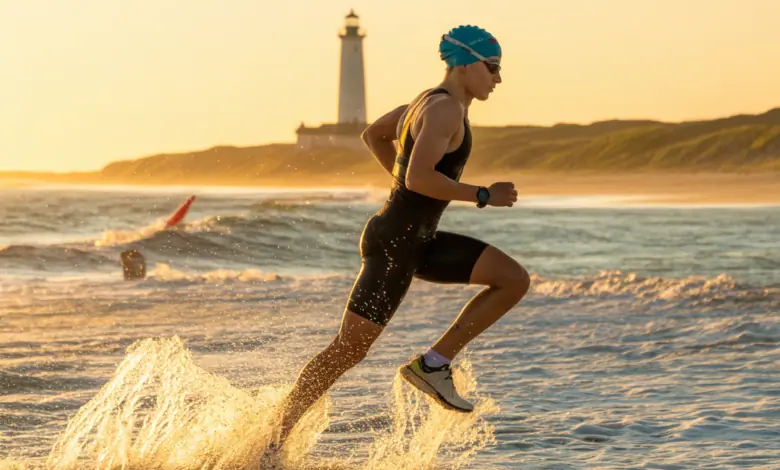
Ever stood on the shoreline, wetsuit half-on, wondering if you trained the right way for the wind, the waves, and the rolling bike course ahead? If the image of Nantucket’s salty breeze and cobblestone charm makes your heart race as much as the thought of race day, you’re in the right place. This Nantucket Triathlon Ultimate Guide will walk you through preparation, strategy, and practical workouts so you cross that finish line with confidence.
Why Nantucket Is a Unique Triathlon Challenge
Nantucket’s coastal conditions create a distinct race experience. The open-water swim can be choppy, the bike legs may include gusty seaside sections and rolling terrain, and the run often features mixed surfaces. Planning for wind, tide, and temperature is essential—this is not a flat, controlled-course triathlon. Embrace the island’s quirks and train specifically for them.
Key race characteristics
- Open-water swim with potential currents and waves
- Bike route with rolling hills and exposed sea breezes
- Run on mixed surfaces—pavement, boardwalk, possible soft shoulders
Nantucket Triathlon Ultimate Guide: Training Plan Essentials
To race well on Nantucket, blend endurance, strength, and practical open-water skills. Below is a flexible 8-week training framework you can adapt to your level—beginner, intermediate, or age-group competitor.
Weekly structure (sample)
- Monday: Recovery—easy swim or yoga + mobility
- Tuesday: Bike intervals (4–6 x 5 minutes at threshold) + short run (brick)
- Wednesday: Endurance swim (open-water if possible) + core work
- Thursday: Run tempo or hill repeats + strength training
- Friday: Swim technique + easy ride
- Saturday: Long bike with race-pace efforts
- Sunday: Long run or brick (bike+run together)
Workout variations and progressions
- Swim: If you can’t practice open-water, do sighting drills and sets with bilateral breathing. Progress from 1,000–2,500 yards/meters depending on distance.
- Bike: Add sustained efforts into headwinds to simulate Nantucket’s gusts. Use low cadence drills (60–70 rpm) once per week for strength.
- Run: Incorporate beach-stride days or trail intervals to handle softer surfaces and strengthening of stabilizer muscles.
Gear Checklist and Race-Day Strategy
Gear matters, but smart decisions beat shiny gadgets. Prioritize comfort, safety, and familiarity.
Essential kit
- Wetsuit rated for open-water—practice in it multiple times
- Well-fitted helmet, aero or road bike depending on course
- Race wheels only if you’re experienced with crosswinds
- Quick-lace running shoes and blister-prevention tape
- Nutrition belt or bottles, race-day electrolyte plan
Race-day tactics
- Swim: Start conservative if waves or current are present. Draft where possible and pick sighting landmarks every 6–10 strokes.
- Bike: Respect crosswinds—lower cadence and controlled power beats all-out sprints. Choose a bike line that avoids potholes and aggressive gust zones.
- Run: Pace yourself for the first mile, then increase effort if you feel strong. Hydrate early—coastal heat can sneak up quickly.
Nutrition and Recovery for Peak Performance
Nutrition for triathlons is both art and science. Nail the basics in training so race-day fueling becomes second nature.
Pre-race and race fueling
- Pre-race: Simple, carbohydrate-focused breakfast 2–3 hours before start (oats, toast, banana).
- During bike: Aim for 200–300 calories per hour from easily digestible carbs (gels, chews, sports drink).
- Electrolytes: Take small, regular sips rather than gulping—prevents cramping and GI upset.
Recovery protocol
After the race, prioritize protein and carbs within 30–60 minutes, foam roll, and use an easy active recovery the next day. Sleep is non-negotiable—7–9 hours supports hormonal balance and repair.
Practical Fitness Tips and Real-World Examples
Training on Nantucket is as much mental as physical. Here are strategies that have worked for real athletes:
- Simulate wind: One rider I coached practiced into steady crosswinds 2–3 times a month; she reported smoother bike handling on race day and shaved 3 minutes off her bike split.
- Open-water drills: A weekend group swim from the beach helps you practice sighting and pack swimming—essential for confidence in choppy conditions.
- Taper with purpose: Reduce volume by 40–60% in the final week, keep intensity with short sharp efforts to stay race-ready but rested.
Mobility and injury prevention
Incorporate hip and shoulder mobility sessions twice a week. Simple band work and bodyweight squats maintain joint health and improve swimming rotation and bike power transfer.
Transition Practice: Save Seconds, Gain Places
Transitions are the low-hanging fruit for time gains. Practice mounting the bike, racking your gear, quick laces, and a tidy run exit. Time yourself in training; the smallest efficiency improvements compound into meaningful race gains.
Frequently Asked Questions
1. What distance is the Nantucket triathlon and how should I train for it?
Distances vary by event; many Nantucket triathlons feature sprint and Olympic distances. Train by matching the race distance in your long sessions and include brick workouts to simulate bike-to-run transitions.
2. Should I train in a wetsuit if the water is usually cold?
Yes. Practicing in your wetsuit improves swim feel, reduces panic in colder water, and helps you learn mobility constraints. If possible, do at least two open-water sessions in the suit before race day.
3. How do I handle strong crosswinds on the bike?
Relax your upper body, lower your torso slightly to reduce drag, and avoid sudden steering corrections. If winds pick up, ride a slightly lower gear at a higher cadence and tuck more when safe. Practice watching your rear wheel and keeping a steady line.
For training-specific workouts, check our workout routines. For pre-race meal ideas, see our nutrition guides, and for lifestyle balance tips, visit wellness tips.
Conclusion: Take on Nantucket with Confidence
This Nantucket Triathlon Ultimate Guide arms you with the training structure, race-day tactics, and recovery strategies you need to perform your best on race day. Start implementing small, consistent changes—open-water practice, wind-specific bike drills, and a simple fueling plan—and you’ll arrive on Nantucket ready to race smart. Ready to build your final 8-week plan or customize workouts? Sign up for a tailored training template and get race-ready today.