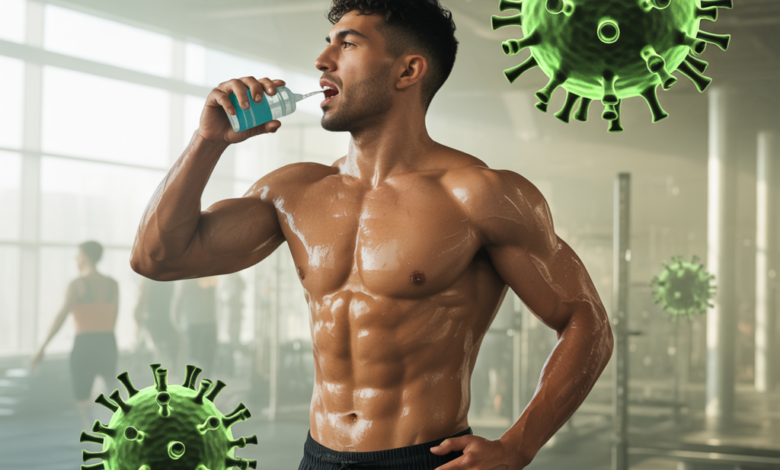
Have you ever wondered whether the minty rinse in your bathroom could do more than freshen breath—maybe even help against viruses? It’s a tempting thought: a quick gargle to lower your risk before a flight or after exposure. As a health-focused blogger and fitness enthusiast, I dug into the latest mouthwash and coronavirus research so you can separate promising findings from hype and add practical wellness habits to your routine.
Mouthwash and Coronavirus Research: A Balanced Overview
Researchers have investigated whether oral antiseptics can reduce the amount of SARS-CoV-2 (the virus that causes COVID-19) in saliva. Laboratory studies and some small clinical trials show that certain antiseptic ingredients—like povidone-iodine, cetylpyridinium chloride (CPC), and ethanol-containing formulations—can inactivate the virus in vitro or temporarily reduce viral load in the mouth. However, that doesn’t mean mouthwash prevents infection or replaces vaccines, masks, or testing.
What the lab and clinical studies actually show
- In vitro (test tube) studies: Several common antiseptics have demonstrated the ability to inactivate SARS-CoV-2 when mixed directly with virus samples.
- Small clinical trials: A few pilot studies reported a temporary drop in viral RNA detected in saliva after a single rinse. Effects often last minutes to a few hours.
- Limitations: Many studies are small, short-term, or done under controlled settings. They measure viral load in saliva, not whether people are less likely to get infected or transmit the virus in real-world situations.
Key Ingredients Mentioned in Research
Not all mouthwashes are the same. Studies most often mention these antiseptics:
- Povidone-iodine: Used as a preprocedural rinse in dental settings; shows strong in vitro activity but can affect thyroid function if overused.
- Cetylpyridinium chloride (CPC): A quaternary ammonium compound found in some over-the-counter rinses; has shown antiviral effects in lab work.
- Ethanol-based and essential oil formulations: Alcohol and some essential oils can disrupt viral envelopes in lab studies.
- Hydrogen peroxide and chlorhexidine: Mixed results—some studies show benefits, others less so.
Practical Fitness and Lifestyle Tips to Support Oral and Immune Health
Whether or not mouthwash can lower viral exposure, a holistic approach to health will always be better for resilience. Here are evidence-aligned tips that fit busy lives and workouts:
1. Keep a consistent oral hygiene routine
- Brush twice daily and floss daily; use a mouthwash according to label instructions if desired.
- If you choose an antiseptic rinse, use it as an adjunct to—not a replacement for—other precautions.
2. Prioritize moderate, regular exercise
Regular physical activity supports immune function and lowers stress. Aim for 150 minutes of moderate aerobic activity per week and strength training twice weekly. Workout variations to try:
- Short HIIT circuits (20–30 minutes) for cardiovascular fitness and time efficiency.
- Bodyweight strength routines (push-ups, squats, lunges, planks) to do at home or while traveling.
- Mobility and yoga sessions post-workout to aid recovery and improve sleep.
3. Hydration and saliva production
Staying hydrated supports saliva flow, which helps clear pathogens and maintain oral pH. Carry a water bottle to workouts and sip consistently—especially during long or intense sessions.
4. Nutrition and recovery
Fuel immune function with a balanced diet rich in fruits, vegetables, lean protein, and healthy fats. Practical ideas:
- Pre-workout: Banana + nut butter for quick carbs and potassium.
- Post-workout: Greek yogurt or a protein shake to support muscle repair.
- Daily: Include vitamin C‑rich foods, zinc sources (beans, nuts), and probiotic-containing fermented foods.
Real-World Examples: How Mouthwash Has Been Used
Dentists often use preprocedural mouthrinses to lower microbial load before cleanings and procedures. During the pandemic, some clinics adopted antiseptic rinses as an extra precaution to reduce aerosolized particles. Athletes and travelers have sometimes used mouthwash for temporary comfort or perceived protection, but public health guidance consistently emphasizes vaccination, ventilation, testing, and masks over any rinse.
Mouthwash and Coronavirus Research: Practical Recommendations
If you’re curious about using mouthwash as part of a risk-reduction routine, consider these safe, practical steps:
- Talk with your dentist or primary care provider before starting frequent antiseptic rinses—especially if you have thyroid disease, are pregnant, or have other health concerns.
- Follow product labels. Do not ingest mouthwash or use concentrated antiseptics (like povidone-iodine) without medical direction.
- Use mouthwash as an adjunct: keep up with vaccination, masking when appropriate, hand hygiene, testing, and staying home when sick.
Frequently Asked Questions
1. Can mouthwash prevent COVID-19 infection?
Current evidence does not show that mouthwash can prevent COVID-19 infection. Some rinses temporarily reduce viral load in saliva, but they are not proven to stop infection or transmission in real-world settings. Vaccines, masks, ventilation, and testing remain the primary prevention tools.
2. Which mouthwash ingredients have shown activity against SARS-CoV-2?
Ingredients like povidone-iodine, cetylpyridinium chloride (CPC), alcohol-containing formulations, and some essential oils have shown antiviral effects in laboratory studies. Clinical evidence is limited and temporary. Always consult a healthcare professional if you have concerns.
3. How often should I use mouthwash to reduce viral load?
There is no standard recommendation for routine use of mouthwash specifically to reduce SARS-CoV-2 viral load. Studies that observed reductions typically evaluated single uses with temporary effect. Use mouthwash per label directions and your healthcare provider’s guidance, and rely on proven public health measures for protection.
Conclusion: Keep Perspective and Take Action
Research into mouthwash and coronavirus is interesting and suggests certain oral antiseptics can reduce viral load in saliva for a short time. But this is not a silver bullet. Continue to prioritize vaccination, testing, ventilation, masks when needed, and everyday health habits—exercise, sleep, nutrition, and oral care—to build resilience. If you’re considering antiseptic mouthwash as an extra layer, consult your dentist or physician first.
Ready to strengthen your routine? Try a balanced weekly plan: a couple of full-body strength sessions, three moderate cardio workouts, daily mobility or stretching, and consistent oral hygiene. For workout ideas see our workout routines, and for fueling tips check the nutrition guides. For more daily habits that support health, explore our wellness tips.
Have questions about specific mouthwash products or how to fit these practices into your schedule? Leave a comment or reach out—let’s keep getting stronger, smarter, and healthier together.