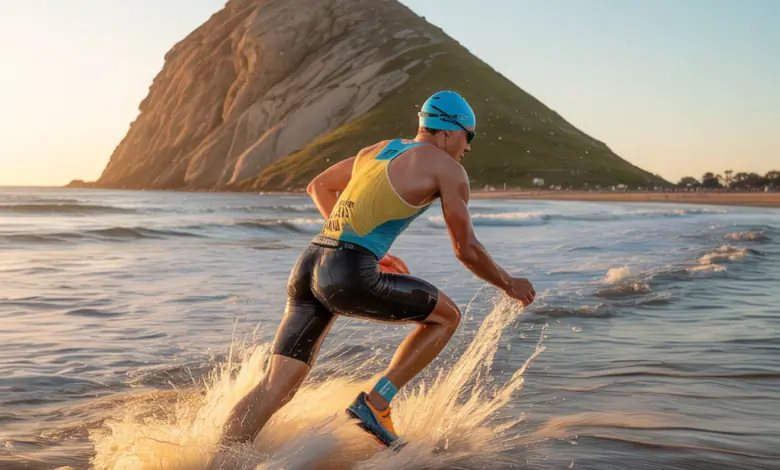
Have you ever stood on the edge of the Embarcadero, watching athletes dive into cool Pacific waters and wondered what it would feel like to cross the finish line at Morro Bay? Whether you’re picturing your first sprint triathlon or aiming for a personal best in an Olympic-distance race, this Morro Bay triathlon all about guide will take you from nervous starter to confident race-day performer.
Why Morro Bay Is a Triathlete’s Dream
Morro Bay offers a unique combination of scenic coastal routes, a friendly race community, and variable conditions that make it a perfect place to test your swim-bike-run skills. Expect open-water swims, wind-exposed bike courses, and a run that often gives beautiful ocean views — a truly memorable race weekend.
Race Distances and Who Should Compete
- Sprint triathlon: Ideal for first-timers and those short on training time (typically 750m swim, 20km bike, 5km run).
- Olympic/standard distance: For intermediate athletes ready for longer training blocks (1.5km swim, 40km bike, 10km run).
- Relay options and age-group categories: Great for team participation or easing into triathlon with friends.
Preparing for the Morro Bay Triathlon: Training Essentials
Training for a coastal triathlon requires specific emphasis on open-water skills, bike handling in wind, and run strength. Below are practical training elements to include in a 8–12 week plan.
Swim: Open-Water Confidence
- Practice sighting every 6–10 strokes and incorporate buoys into pool sessions.
- Interval example: 10-minute warm-up, 10 x 100m at race effort with 20s rest, 200m cool-down.
- Open-water session: 30–45 minute continuous swim focusing on straight-line sighting and group drafting.
Bike: Power and Wind Management
- Include interval workouts: 5 x 5 minutes at threshold with 3 minutes easy recovery.
- Practice descending and cornering if the course has turns; learn to hold a steady cadence (85–95 rpm).
- Simulate wind: do interval efforts on windy days or use a fan/erg trainer to adapt.
Run: Brick Workouts and Pace Control
- Brick session example: 45-minute bike at race intensity followed by a 20-minute run at target race pace.
- Mix tempo runs (20–30 minutes at sustainable hard effort) with easy recovery runs.
- Train on mixed surfaces similar to race route — boardwalks, pavement, slight hills.
Race-Week Checklist: What to Do Before Race Day
A smooth race day starts with simple preparations. Here’s a practical checklist to reduce stress and boost performance:
- Taper training — reduce volume but keep short intensity sessions to stay sharp.
- Check and prep gear: wetsuit (if allowed), swim cap, goggles, bike tires, helmet, shoes, and nutrition.
- Plan nutrition and hydration and test race-day foods during training. Opt for easily digestible carbs and electrolyte drinks.
- Drive the bike course if possible to visualize climbs, turns, and wind exposures.
- Practice transitions: set up a mock T1/T2 at home to reduce fumbling on race morning.
Nutrition and Recovery Strategies
Fueling for a triathlon — especially on coastal days with variable temperatures — requires smart choices.
Pre-Race and During the Race
- Pre-race (2–3 hours): 300–500 calories of low-fiber, low-fat carbs (bagel, banana, or oatmeal).
- During race: For sprint races, water and a small gel may suffice. For longer distances, plan 30–60g carbs/hr via gels or sports drinks.
- Hydration: sip consistently before the start, on-bike, and at run aid stations. Replace electrolytes after heavy sweating.
Post-Race Recovery
- Within 30–60 minutes: aim for a 3:1 carb-to-protein snack (chocolate milk, recovery shake) to replenish glycogen and kickstart repair.
- Active recovery: easy swim or bike the day after, plus mobility work to reduce stiffness.
- Sleep and stress management are just as important—prioritize rest to bounce back faster.
Gear and Transition Tips for a Faster Race
Small gear upgrades and practiced transitions shave minutes off your time. Focus on these practical time-savers:
- Use elastic laces for quick shoe changes; pre-rack shoes with heels on the pedal if using clipless.
- Organize transition area: layout items in the order you’ll use them (goggles, helmet, shoes).
- Test wetsuit fit in open-water sessions to avoid chafing and restricted breathing on race day.
Morro Bay Triathlon All About: Course-Specific Tips
Know the course and conditions to race smarter, not harder. The open-water swim often has choppy sections; focus on sighting and mid-race pacing. On the bike, expect coastal winds — ride conservatively into headwinds and use drafting rules wisely. During the run, soak in the scenery but stick to your pacing plan to avoid late-race fatigue.
Training Examples and Weekly Layout
Here’s a simple week for an intermediate athlete preparing for a sprint or Olympic-distance event:
- Monday — Easy swim + mobility (45 min)
- Tuesday — Bike intervals (60–75 min) + short run (15–20 min) off the bike (brick)
- Wednesday — Strength training (45 min): focus on core, glutes, and single-leg work
- Thursday — Tempo run (30–40 min) + swim speed session (40 min)
- Friday — Active recovery: easy bike or swim (30–45 min)
- Saturday — Long bike or race simulation (90–120 min)
- Sunday — Long run (45–60 min) or rest depending on volume
Frequently Asked Questions
Q: What distance is the Morro Bay triathlon?
A: Morro Bay triathlon events often include sprint and sometimes Olympic distances. Check the specific event details for exact swim-bike-run measurements and any relay options.
Q: Do I need a wetsuit for the Morro Bay swim?
A: Wetsuit rules depend on water temperature. Many athletes wear wetsuits for buoyancy and warmth in Pacific conditions. Practice in a wetsuit ahead of race day to ensure comfort.
Q: How should I train if I’m new to triathlon?
A: Start with a gradual plan focusing on consistency: 2 swims, 2 bikes, 2 runs per week plus one strength session. Include brick workouts and open-water practice. For detailed plans see our workout routines and wellness tips pages.
Real-World Example: From Couch to Finish Line
Meet Jaime, a 34-year-old teacher who completed her first Morro Bay sprint triathlon after 10 weeks of focused training. She combined three weekly swims (one open-water), two bike sessions (including a weekly threshold set), and two runs with one brick each week. Jaime focused on consistent nutrition, practiced two transitions, and used recovery strategies like foam rolling and sleep hygiene — finishing with a smile and a time she was proud of.
Conclusion: Get Ready — Your Morro Bay Triathlon Awaits
If you want to know everything about competing in coastal races, this Morro Bay triathlon all about guide gives you the training tools, nutrition advice, and race-week checklist to get started. Ready to begin your training plan or improve your race strategy? Explore our workout routines and nutrition guides to build a plan tailored to your goals. Lace up, practice smart, and see you at the water’s edge!
Call to action: Sign up for a 12-week training plan today or bookmark this guide and start your first swim session tomorrow — your finish line moment is closer than you think.