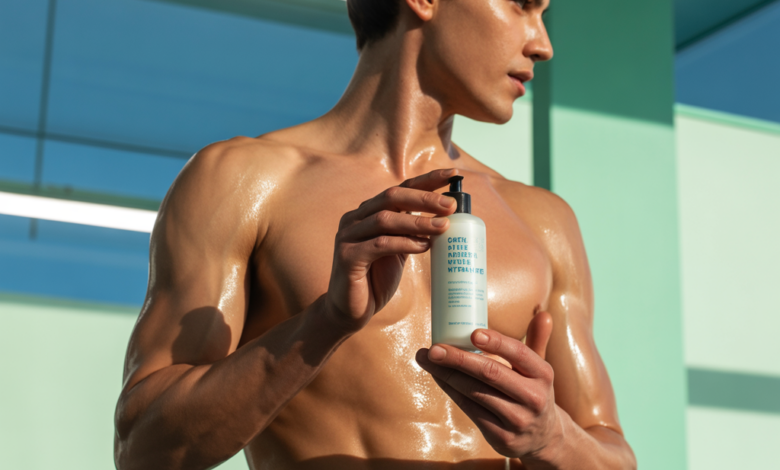
Ever finish an early morning run and notice your face feels tight, flaky, or even a bit sore from the wind? Or step out of a hot shower only to feel like your skin has been robbed of moisture? If that sounds familiar, you’re not alone — millions of people struggle with dry skin, especially those who exercise regularly or spend time outdoors. In this guide you’ll learn how to choose the right moisturizers for dry skin, build quick routines that fit an active life, and use fitness and nutrition habits to support long-term skin health.
Why dry skin happens (and why active people notice it more)
Dry skin results when the skin’s outer barrier loses water and lipids. Common causes include cold or dry air, long hot showers, harsh soaps, low humidity, and aging. Active people notice symptoms more because:
- Frequent sweating and wind exposure can strip oils away.
- Chlorine or saltwater from swimming dries the skin.
- Post-workout showers often use hot water and strong cleansers.
Understanding the cause helps you target the solution: restore hydration, repair the skin barrier, and protect from future moisture loss.
Top moisturizers for dry skin: what to look for
When shopping, look for formulations that combine humectants, emollients, and occlusives — each plays a role in attracting, smoothing, and sealing in moisture.
- Humectants: Hyaluronic acid, glycerin — draw water into the skin.
- Emollients: Squalane, plant oils, ceramides — smooth and repair the lipid layer.
- Occlusives: Petrolatum, shea butter — form a barrier to lock moisture in, especially at night or on very dry patches.
Other tips for choosing a product:
- Pick fragrance-free and hypoallergenic formulas if your skin is sensitive.
- For very dry or cracked skin, thicker creams and ointments outperform lotions.
- Face vs. body: look for non-comedogenic face creams to avoid pore-clogging, and richer body balms for arms and legs.
- Consider seasonal switches — lighter, hydrating gels in summer; richer creams in winter.
Best ingredient combos for active lifestyles
A lightweight hyaluronic acid serum layered under a ceramide-rich cream gives daytime hydration without feeling greasy. After long workouts or exposure, add an occlusive balm at night on stubborn patches to speed repair.
Morning and post-workout routine — quick and practical
Busy mornings and sweaty gym sessions require routines that are fast and effective:
- Cleanse gently with a sulfate-free, moisturizing cleanser.
- Pat skin dry — leave it slightly damp to trap water.
- Apply a humectant serum (hyaluronic acid) if you use one.
- Seal with a moisturizer containing ceramides and emollients.
- Finish with a lightweight sunscreen for daytime protection.
Real-world example: after a cold-weather run, towel off, apply a hydrating serum and then a thicker moisturizer before you dress — this prevents windburn and fights post-exercise dehydration.
Nighttime repair routine
At night, swap to a richer formula. Use an occlusive like petrolatum or a thick night cream to lock in repair ingredients. If you use active acne or anti-aging treatments (like retinoids), pair them with a solid moisturizer to reduce flaking and irritation.
Lifestyle and fitness tips that support hydrated skin
Moisturizers are essential, but lifestyle factors multiply their benefit. Try these practical strategies:
- Hydrate throughout the day — water intake supports overall skin health.
- Include omega-3 rich foods (salmon, walnuts, chia) to support the skin barrier.
- Limit long, hot showers; use lukewarm water and brief shower times.
- Use a humidifier at night in dry seasons or heated homes.
- Wear breathable layers during workouts to reduce chafing and sweat irritation.
- Prioritize sleep and stress management — both influence skin repair and inflammation.
Workout variation tip: swap an outdoor long run for an indoor HIIT session on extremely windy or cold days — you’ll maintain fitness while protecting exposed skin.
Real-world product selection tips and examples
Traveler? Keep a small tube of richer cream in your gym bag for post-shower repairs. If you’re a swimmer, rinse chlorine off immediately and follow up with an emollient-rich moisturizer.
- For very dry hands and feet: ointments with petrolatum or lanolin overnight with cotton socks/gloves.
- For sensitive, dry facial skin: fragrance-free creams with ceramides and glycerin.
- For athletes on-the-go: travel-sized hydrating lotions and a compact occlusive balm for harsh conditions.
Patch-test new products on a small area before full use, and switch one product at a time so you can pinpoint what helps.
Frequently Asked Questions
What is the best type of moisturizer for very dry skin?
Choose a rich cream or ointment with occlusive ingredients (petrolatum, shea butter), ceramides to repair the barrier, and humectants (hyaluronic acid, glycerin) for hydration. Ointments are most effective overnight or on severely dry patches.
Can I use body lotion on my face?
It’s usually not recommended. Body lotions can contain heavier fragrances or comedogenic oils that clog facial pores. Use face-specific, non-comedogenic formulas for facial skin.
How often should I moisturize if I work out daily?
Moisturize at least twice daily: once in the morning (or post-workout when you shower) and once at night. After particularly sweaty or cold outdoor sessions, add a follow-up application to soothe and restore the barrier.
Conclusion — take action for softer, healthier skin
Moisturizers for dry skin are a must-have, but the best results come when you combine the right products with smart lifestyle habits: hydrate, eat nourishing foods, protect your skin from harsh conditions, and use targeted routines before and after workouts. Start by choosing a ceramide-rich cream and a humectant serum to layer, patch-test them, and adjust based on season and activity.
Ready to build a complete wellness plan that benefits skin and performance? Check out our workout routines, explore nutrient-dense ideas in our nutrition guides, and adopt daily habits from our wellness tips page. Try the steps above for two weeks and notice how your skin responds — then tweak as needed. Want personalized guidance? Leave a comment with your skin type and routine, and I’ll help you refine it.