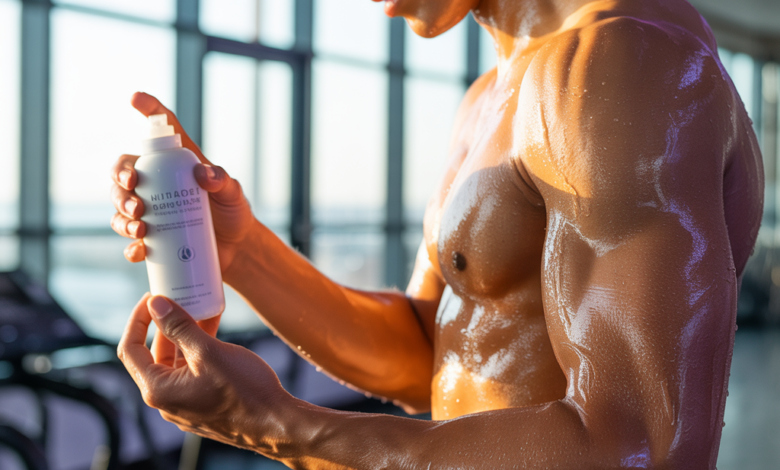
Ever stepped out of a cold morning run and felt your face tighten like paper, or flaked through your yoga top after a long hot shower? If you’ve ever wondered why standard lotions don’t cut it, you’re not alone. Dry, tight, or flaky skin is frustrating—especially when you want to stay active and healthy. This guide unlocks the best moisturizers for dry skin and pairs them with fitness-friendly tips so your skin keeps up with your lifestyle.
Why Dry Skin Happens (and why athletes feel it more)
Dry skin occurs when the skin’s barrier loses moisture and lipids. Factors like cold weather, indoor heating, chlorine from pools, frequent hot showers, and harsh cleansers strip natural oils. Athletes and active people often notice dryness from repeated sweating, abrasion (think running chafes), and post-workout cleansing routines that are too aggressive.
The science in a nutshell
- Barrier breakdown reduces natural moisturizing factors and lipids.
- Humectants attract water; emollients smooth and fill gaps; occlusives lock moisture in.
- Choosing the right combination matters more than brand claims.
How to Choose Moisturizers for Dry Skin
Not all creams are created equal. Look for formulas that combine humectants, emollients, and occlusives. Below are ingredients to prioritize and why they work:
- Humectants: Hyaluronic acid, glycerin — draw water into the skin.
- Emollients: Ceramides, fatty acids, squalane — rebuild the skin’s lipid barrier.
- Occlusives: Petrolatum, dimethicone, beeswax — seal hydration and prevent transepidermal water loss.
- Soothing actives: Niacinamide, panthenol, aloe — reduce irritation from exercise and sweat.
Choosing for face vs body
Facial skin benefits from lighter, non-comedogenic formulas if you’re acne-prone. Body moisturizers can be richer—think thick lotions or creams for knees, elbows, and legs.
Top Application Tips to Maximize Results
How you apply your moisturizer is as important as what’s in it.
- Apply to slightly damp skin within 2–3 minutes after showering to trap moisture.
- Layer: water-based serum (hyaluronic acid) first, then a richer cream, finish with an occlusive at night if severely dry.
- Use fragrance-free, hypoallergenic products to avoid irritation triggered by sweat and rubbing during workouts.
- For very dry patches, use an overnight occlusive (like petrolatum) over your cream to supercharge repair while you sleep.
Skin-Friendly Workout Tips to Prevent Dryness
Fitness should help your skin, not harm it. These small adjustments will keep your complexion happy and hydrated.
Pre- and post-workout habits
- Avoid harsh soaps before and after training—use gentle, sulfate-free cleansers that won’t strip oils.
- Rinse quickly after sweaty sessions; avoid long hot showers which dry out skin—opt for lukewarm water.
- Pat skin dry with a towel instead of rubbing, then apply moisturizer while skin is slightly damp.
Workout variations that are gentler on skin
- Swap high-friction, long runs for a mix of interval sprints and low-impact cross-training to reduce chafing.
- In cold months, prefer indoor cycling or strength sessions on dry, skin-protecting layers.
- For swimmers, rinse chlorine off immediately and apply a reparative cream with ceramides after swimming.
Real-World Examples: What Works for Different Lifestyles
Here are practical pairings so you can match a moisturizer to your routine:
- Runner in winter: rich, occlusive body cream after lukewarm showers; fragrance-free face cream with hyaluronic acid and ceramides.
- Gym-goer with oily-combo skin: lightweight, non-comedogenic hydrating gel with glycerin; richer cream only on dry spots.
- Swimmer: barrier-repair lotion with niacinamide and ceramides plus an occlusive at night for hands and feet.
Related Lifestyle & Nutrition Tips for Better Skin
Topical care is crucial, but internal habits amplify results.
- Hydration: drink water throughout the day and include watery foods like cucumbers and oranges.
- Essential fatty acids: omega-3s from fatty fish, flaxseed, or supplements support the skin barrier.
- Antioxidant-rich foods: berries, leafy greens, and nuts help repair and protect skin.
- Use a humidifier in dry climates or heated indoor spaces to reduce transepidermal water loss.
- Quit smoking and limit excessive alcohol—both worsen skin dryness and aging.
Frequently Asked Questions
1. How often should I apply moisturizers for dry skin?
Apply at least twice daily—morning and night—and immediately after showering or swimming. If you exercise and shower midday, reapply to damp skin to preserve moisture.
2. Are natural oils good for dry skin?
Many natural oils (like jojoba, squalane, and almond oil) are excellent emollients and can help restore lipids. Use them layered under a cream or as part of a balanced formula; avoid pure oils on acne-prone facial skin without testing first.
3. Can exercise make dry skin worse?
Exercise itself can be beneficial—sweating helps flush toxins and can temporarily hydrate. However, frequent hot showers, harsh cleansers, and friction from clothing can worsen dryness. Adjust post-workout routines and moisturizing timing to prevent issues.
Putting It All Together
Finding the right moisturizers for dry skin is a mix of ingredient knowledge, application timing, and lifestyle tweaks. Combine humectants, emollients, and occlusives, protect your skin around workouts, hydrate from the inside, and adjust routines seasonally. With consistent care, your skin will support your active life rather than hold you back.
Ready to upgrade your routine? Check out our workout routines to optimize sweat and recovery, browse our nutrition guides for skin-supporting meals, and explore more wellness tips to build resilient skin from the inside out.
Take action today: pick one change—swap your soap, apply moisturizer to damp skin, or add a humidifier—and stick with it for two weeks. Notice how your skin responds and iterate from there.