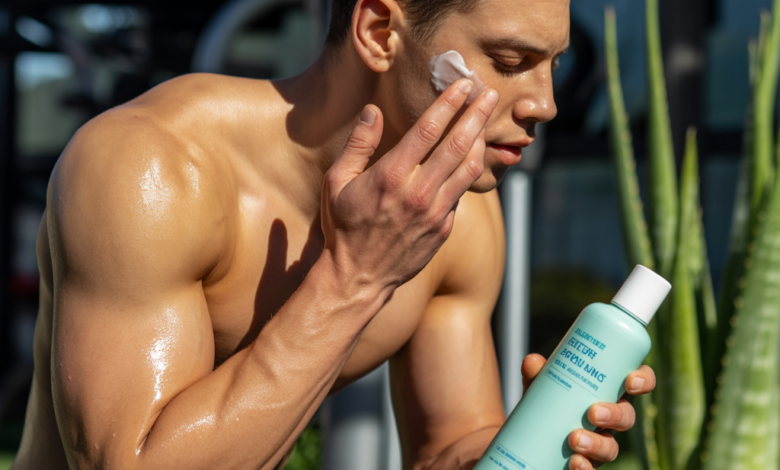
Ever finish a tough workout, towel off, and wonder if the moisturizer you use will calm your skin or clog your pores? If you’ve battled breakouts, oily T-zones, or irritated skin after sweating, you’re not alone. Finding the right balance—hydration without encouraging acne—can feel like a science project. This guide breaks down how to choose and use the best moisturizers for acne prone skin, plus fitness and lifestyle tips that support clear, healthy skin.
Why moisturizers matter even if your skin is oily
It’s a common myth that oily or acne-prone skin doesn’t need moisture. In reality, skipping moisturizer can make skin overproduce oil to compensate, worsening breakouts. The goal is to use lightweight, non-comedogenic products that restore the skin barrier, reduce irritation, and support any acne treatments you’re using (like benzoyl peroxide or prescription retinoids).
How to choose the right moisturizer for acne-prone skin
Look for formulations and ingredients that hydrate without clogging pores. Here’s what to prioritize and what to avoid:
Key ingredients to look for
- Hyaluronic acid — lightweight hydration that binds moisture without oil.
- Niacinamide — reduces redness, controls oil production, and strengthens barrier function.
- Ceramides — repair and protect the skin barrier, helpful if you use acne medications.
- Glycerin — a humectant that draws moisture into the skin.
- Oil-free, gel or water-based formulations — fewer pore-clogging oils and better for oily skin types.
Ingredients to avoid or use cautiously
- Heavy oils and butters (coconut oil, cocoa butter) — can be comedogenic for many people.
- Alcohol denat — may dry skin excessively and trigger rebound oil production.
- Fragrance and essential oils — can irritate sensitive, acne-prone skin.
Top product types: what to look for
- Gel moisturizers: Great for oily or combination acne-prone skin.
- Water-based lotions: Lightweight, often labeled “oil-free” or “non-comedogenic.”
- Light creams with ceramides: Ideal if acne medication leaves skin flaky or sensitive.
- Moisturizers with SPF: Use a broad-spectrum, non-comedogenic sunscreen in daytime products or layered separately.
Real-world skincare routine for acne-prone skin (morning & night)
- Cleanse: Use a gentle, pH-balanced cleanser to remove sweat and oil—especially after workouts.
- Treat: Apply acne treatments (topical benzoyl peroxide, salicylic acid, or prescribed medications).
- Moisturize: Apply a thin layer of a non-comedogenic moisturizer while skin is slightly damp.
- Protect (AM): Finish with a non-comedogenic sunscreen or a moisturiser that contains SPF.
Fitness, sweat, and acne: practical tips
Exercise is great for circulation and stress relief, but sweat can trap dirt and bacteria if left on the skin. Here are actionable tips to keep your workouts from sabotaging your complexion:
Pre- and post-workout habits
- Wash your face before exercise if you wear heavy makeup or sunscreen—this prevents pore clogging.
- Bring a clean towel to wipe sweat during workouts—don’t rub with hands.
- Shower and cleanse within 30–60 minutes after your workout to remove sweat, oil, and bacteria.
Workout variations that help skin
- Morning yoga or low-intensity steady-state cardio: gentle on the skin and great for stress-related acne.
- Strength training: builds resilience and supports hormonal balance; just be diligent about post-workout cleansing.
- HIIT: excellent for fitness but can increase sweat—pair with quick-clean up routines and breathable fabrics.
Healthy lifestyle changes that support clearer skin
Skincare products are only part of the picture. Combine them with lifestyle habits to see real improvement:
- Hydration: Drink water throughout the day—skin needs internal hydration to function well.
- Balanced diet: Prioritize whole foods, lean protein, healthy fats, and low-glycemic carbs. Some people notice fewer breakouts with reduced high-sugar or dairy intake.
- Sleep and stress management: Aim for 7–9 hours of sleep and daily stress relief—meditation, walks, and breathwork help regulate hormones that can affect acne.
- Wash pillowcases and workout gear weekly to reduce bacteria transfer to skin.
Common concerns and troubleshooting
If a moisturizer causes stinging, increased breakouts, or redness, stop using it and patch-test a different formula. When starting a new acne treatment (like topical retinoids), pair it with a gentle, emollient moisturizer to reduce dryness and flaking. If over-the-counter options aren’t working, consult a dermatologist for prescription options and personalized advice.
Moisturizers for acne prone skin: what to remember
Choosing the right moisturizer can reduce irritation, protect the skin barrier, and even support acne treatments. Look for oil-free, non-comedogenic, and hydrating formulas with ingredients like hyaluronic acid, niacinamide, and ceramides. Combine your topical routine with smart fitness habits, clean post-workout care, and balanced lifestyle choices to maximize results.
Frequently Asked Questions
1. Can I use a moisturizer with acne medication like tretinoin?
Yes. In fact, using a lightweight, barrier-repairing moisturizer alongside tretinoin can reduce dryness and irritation. Apply moisturizer after your topical treatment or use the “sandwich method” (moisturizer — tretinoin — moisturizer) if irritation is severe—check with your dermatologist first.
2. Are oil-free moisturizers always better for acne-prone skin?
Oil-free formulations are often a good starting point for oily or acne-prone skin because they’re less likely to clog pores. However, some people with acne and dry patches benefit from light creams with ceramides. Focus on “non-comedogenic” labeling and ingredient lists rather than the oil-free claim alone.
3. How quickly will a new moisturizer improve my acne-prone skin?
Improvement in skin hydration and reduced irritation can be noticeable in days, but changes in acne typically take several weeks. If you’re starting a new acne treatment simultaneously, allow 6–12 weeks to evaluate effectiveness. If breakouts worsen or you experience severe irritation, discontinue and consult a professional.
Conclusion — take action for clearer, hydrated skin
Moisturizers for acne prone skin are essential—not optional—for healthy skin. Choose non-comedogenic, lightweight formulas with hydrating and calming ingredients, pair them with consistent post-workout care, and support your skin from the inside with sleep, hydration, and a balanced diet. Try one change this week: swap your heavy cream for a gel-based, hyaluronic acid moisturizer and commit to wiping sweat during workouts and showering within 30 minutes. Notice the difference? Keep going.
Ready to build a full routine? Check out our workout routines to match your sweat schedule, browse our nutrition guides for skin-friendly eating plans, or read practical wellness tips to reduce stress and support clearer skin. Try one product or habit now and track results—your skin will thank you.