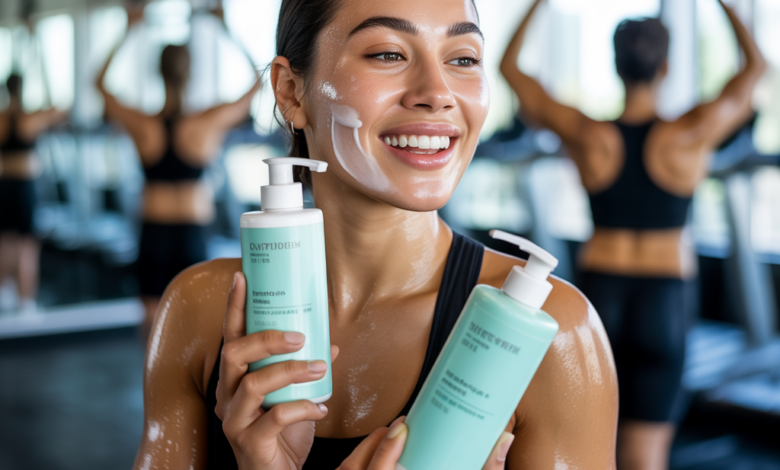
Ever finish an intense gym session only to notice a cascade of new pimples the next morning? Or skip moisturizer because you’re convinced oil = acne? If that sounds familiar, you’re not alone. Moisturizers for acne prone skin aren’t a contradiction — they’re a solution when you pick the right ones. Let’s break down how to hydrate, protect, and support clear skin while staying active and healthy.
Why moisturizing matters even if you have breakouts
Many people with oily or acne-prone skin skip moisturizers, thinking it will reduce shine. In reality, stripping the skin of natural oils often triggers rebound oil production and inflammation, making breakouts worse. A lightweight, non-comedogenic moisturizer restores the skin barrier, reduces irritation from acne treatments, and helps topical medications work better.
How dehydration and over-cleansing worsen acne
- Over-washing removes protective lipids, increasing skin sensitivity.
- Dehydrated skin signals oil glands to produce more sebum, contributing to clogged pores.
- Acne treatments (like benzoyl peroxide or retinoids) can dry and flake; moisturizers mitigate irritation and improve adherence.
How to choose moisturizers for acne prone skin
Choosing the right hydrator is key. Look for products that hydrate without clogging pores or adding excess oil.
Ingredients to look for
- Non-comedogenic, oil-free bases: Water-based gels and lightweight lotions reduce pore-clogging risk.
- Humectants: Hyaluronic acid, glycerin, and panthenol draw moisture into the skin without oiliness.
- Barrier-repairing ingredients: Ceramides and niacinamide strengthen the skin and calm inflammation.
- Low-dose active exfoliants: Salicylic acid (0.5–2%) in very low concentrations can help keep pores clear when formulated into moisturizers.
- Soothing botanicals: Green tea, centella asiatica, or allantoin can reduce redness—choose fragrance-free formulations to avoid irritation.
What to avoid
- Heavy oils and butters (e.g., cocoa butter) that can be comedogenic for many.
- Alcohol-rich products that strip and dry the skin excessively.
- Strong fragrances and unnecessary irritants, especially if your skin is sensitive or reactive.
Real-world routine: morning and night for active people
A practical, sweat-friendly skincare routine keeps breakouts in check without extra fuss.
Morning
- Cleanse with a gentle foaming or gel cleanser to remove overnight oil.
- Apply a lightweight serum with niacinamide if desired.
- Use a non-comedogenic moisturizer (gel or lotion) to hydrate.
- Finish with a broad-spectrum sunscreen to protect skin and prevent post-inflammatory hyperpigmentation.
Night
- Double-cleanse only if you’ve worn sunscreen or heavy sweat: oil-free cleanser followed by a gentle wash.
- Apply acne treatments (benzoyl peroxide, retinoid) as recommended—then seal with a thin layer of moisturizer to minimize irritation.
Fitness, sweat, and skin: practical tips to reduce workout-related breakouts
Workout time should not equal breakout time. Use these simple strategies to protect your skin before, during, and after sweat sessions.
- Wipe sweat quickly: Keep clean towels on hand and gently blot your face during high-sweat workouts to reduce pore-clogging salt and oil.
- Choose breathable fabrics and moisture-wicking headbands to keep sweat off your face and neck.
- Shower or at least rinse your face within 30–60 minutes after a workout to remove sweat, bacteria, and grime.
- Avoid heavy makeup to the gym; if you must wear it, remove immediately after exercising.
- Carry a travel-sized non-comedogenic moisturizer to rehydrate skin after cleansing post-workout.
Workout variations that are gentler on skin
If breakouts flare after HIIT or hot yoga, try alternating with low-sweat sessions like walking, strength training, or Pilates. You’ll still get cardiovascular and metabolic benefits while giving your skin a break.
Nutrition, sleep, and stress: small lifestyle changes that pay off
Skin health is holistic. Pairing the right moisturizer with healthy habits amplifies results.
- Nutrition: Favor whole foods, low-glycemic carbohydrates, and omega-3 rich sources (e.g., salmon, flaxseeds) which can lower inflammation. Consider moderating high-dairy intake if you notice a link to flare-ups.
- Hydration: Drink water throughout the day; hydrated skin responds better to topical moisturizers.
- Sleep: Aim for 7–9 hours. Poor sleep increases stress hormones that can worsen acne.
- Stress management: Incorporate breathing exercises, short meditations, or mobility flows post-workout to lower cortisol and its effects on skin.
Frequently Asked Questions
1. Can moisturizers cause acne?
Moisturizers themselves don’t cause acne when you choose non-comedogenic, oil-free formulas suited to your skin type. Problems arise from heavy, pore-clogging formulas, excessive application, or products with irritating fragrances.
2. Should I use different moisturizers for day and night?
Not necessarily. Many people benefit from a lightweight, non-comedogenic moisturizer during the day and a slightly richer formula at night if tolerated. At a minimum, use sunscreen in the morning and a soothing, hydrating product at night to support repair.
3. How soon will I see improvement after switching to a suitable moisturizer?
Some relief from dryness and irritation can be immediate, but visible reduction in breakouts and improved skin texture usually takes 4–8 weeks as your skin barrier repairs and oil production balances out.
Putting it together: final tips and product-testing plan
When trying new moisturizers, patch-test on a small area for 3–5 days. Introduce one new product at a time so you can tell what works. Keep a simple skincare routine, pair it with consistent workouts (see our workout routines), balanced eating (check our nutrition guides), and stress-management strategies (more on wellness tips) to get the best results.
Conclusion: hydrate smart with the right moisturizers for acne prone skin
Moisturizers for acne prone skin are essential—not optional—if chosen wisely. Opt for non-comedogenic, lightweight hydrators with humectants and barrier-repairing ingredients, protect your skin around workouts, and support your routine with healthy lifestyle choices. Start with one product, pair it with a sensible fitness and nutrition plan, and give your skin time to adapt.
Ready to build a workout-friendly skincare routine? Try swapping one product this week, track changes for 4–8 weeks, and share your progress. Want tailored guidance? Explore our workout routines and nutrition guides to align your fitness plan with clearer skin.