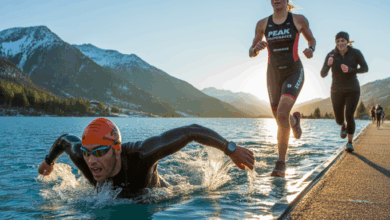
Have you ever watched someone cross a finish line after a swim, bike, and run and thought, “I could do that”—but wondered where to start? Whether you’re a busy parent, a desk worker who wants more movement, or a weekend warrior looking for a new challenge, this mini triathlon training guide for everyone will help you build confidence, stamina, and a race-day smile without burning out.
Why a Mini Triathlon Is Perfect for Most Athletes
Mini triathlons (sometimes called sprint tris) typically include a short swim, a bike leg, and a run—making them an ideal entry point into multisport events. They’re shorter than Olympic or Iron-distance races, which means less time commitment, lower risk of overuse injuries, and a faster path to the finish line.
Who should try a mini triathlon?
- Absolute beginners looking for an achievable multi-sport goal
- Runners or cyclists wanting to cross-train with swimming
- Busy people needing flexible, time-efficient training plans
- Anyone wanting to improve fitness, mental toughness, and routine
Getting Started: A Simple 8-Week Beginner Plan
Below is a sample, balanced mini triathlon training plan that mixes swim, bike, run, strength, and recovery. It’s designed to be adaptable for different fitness levels.
Weekly structure (two workouts per discipline)
- Swim: Technique + Endurance (2x/week)
- Bike: Tempo + Long/Endurance (2x/week)
- Run: Intervals + Steady run (2x/week)
- Strength/core: 1–2x/week (20–30 minutes)
- Rest or active recovery: 1–2 days
Sample micro-schedule (Week example)
- Monday: Swim drills (technique focus) + light core
- Tuesday: Bike intervals (30–45 minutes) + strength
- Wednesday: Easy run 25–35 minutes
- Thursday: Swim endurance + mobility
- Friday: Rest or yoga (active recovery)
- Saturday: Brick workout — short bike (40–60 min) straight into a short run (15–20 min)
- Sunday: Longer, easy bike or run (45–75 min) depending on your weak leg
Key Training Components Explained
Swimming: technique over distance
Many beginners panic about swim training. Prioritize efficient breathing, body position, and a comfortable rhythm. Use drills like catch-up, fingertip drag, and side-kicking. If you’re new to open water, practice sighting and calm starts in a pool or shallow lake.
Bike: cadence and comfort
Work on holding a steady cadence (80–100 rpm) and getting comfortable on your bike for longer rides. Include one ride focused on speed/intervals and one longer ride for endurance. Consider a basic bike fit and practice quick transitions into the run.
Run: build from walk-run to continuous
Start with run-walk intervals if needed. Progress to longer steady runs and add short intervals (e.g., 6 x 1 minute hard with 90 seconds easy) to improve speed without heavy mileage.
Workout Variations & Practical Tips
- Pool alternatives: If you can’t swim laps yet, try aqua jogging or swim lessons aimed at triathletes.
- Indoor cycling: Use a trainer or spin class for bad-weather consistency.
- Brick workouts: Always include short bike-to-run sessions to train your legs for the transition (practice makes the “jelly legs” less shocking).
- Cross-training: Yoga and mobility sessions reduce injury risk and improve recovery.
Real-world example: Sarah’s 8-week journey
Sarah, a 38-year-old teacher with two kids, trained 5–6 hours per week—swimming twice, biking twice (one brick), running twice, plus one strength session. She gradually increased long-ride time and moved from a 1:2 run-walk split to running continuously. On race day, she felt prepared and finished with confidence. Small, consistent steps made the difference.
Nutrition, Recovery, and Lifestyle Tips
Good training is 60% exercise, 40% recovery, fuel, and sleep. Prioritize whole foods, hydration, and sleep to maximize performance.
- Pre-workout: small carbs + water (banana, toast, or oatmeal 30–60 minutes before)
- During longer sessions: sip electrolyte drinks or use small snacks/gels after 45–60 minutes
- Post-workout: protein + carbs within 60 minutes to optimize recovery (yogurt with fruit, smoothie, or turkey sandwich)
- Sleep: aim for 7–9 hours to support adaptation and immune function
For meal ideas and fueling strategies, check out our internal nutrition guides.
Gear Basics Without Breaking the Bank
- Swim: comfortable goggles and a snug swim cap; consider a wetsuit for open water if water is cold
- Bike: a road or hybrid bike in good working order, helmet, and basic tools (pump, spare tube)
- Run: supportive running shoes that match your gait; replace every 300–500 miles
- Transition essentials: a towel, race belt, easy-on shoes, and practiced transitions
Mini Triathlon Training Guide for Everyone — Common Pitfalls & How to Avoid Them
- Doing too much too soon: build volume gradually (10% weekly increase rule)
- Neglecting strength: 20–30 minute full-body sessions twice a week improve efficiency and injury resistance
- Skipping bricks: practice the bike-to-run to reduce surprises on race day
- Ignoring flexibility: add mobility routines to keep joints healthy
Frequently Asked Questions
How long should I train before my first mini triathlon?
Most beginners do well with 6–10 weeks of consistent training. An 8-week plan is a sweet spot for developing basic endurance, learning transitions, and building race confidence.
Do I need a wetsuit for a mini triathlon?
Wetsuits are optional but helpful in cooler water for buoyancy and warmth. Race organizers usually indicate whether wetsuits are allowed or required based on water temperature.
Can I train for a mini triathlon with only 3–4 workouts per week?
Yes. Focus on quality: one swim, one bike, one run, plus one combined or strength session. Prioritize brick sessions and recovery to make the most of limited training time.
Next Steps: Your Actionable Checklist
- Pick a race date and enter it on your calendar.
- Create a simple 8-week schedule tailored to your availability.
- Practice at least one brick workout per week.
- Keep a training log and track progress—tiny wins matter.
- Visit our workout routines and wellness tips pages for sample plans and recovery ideas.
Conclusion — Start Small, Finish Strong
This mini triathlon training guide for everyone proves you don’t need to be an elite athlete to enjoy multisport racing. With sensible progression, consistent practice, and attention to recovery and nutrition, you can cross your first finish line with pride. Ready to try your first brick workout this week? Sign up for a local event, follow an 8-week plan, and watch how training transforms your fitness and confidence.
Call to action: Download a printable 8-week beginner plan from our site, pick your race, and commit to one small workout today—your future finish-line self will thank you.