Have you ever stood in the grocery aisle wondering how to eat so your body feels great, your workouts improve, and family meals are actually enjoyable? Picture swapping rushed, processed meals for vibrant salads, grilled fish, and simple swaps that boost energy and mood. That’s the promise of the Mediterranean diet — a realistic, flavorful approach to food and lifestyle that many people find easy to stick with long term.
What is the Mediterranean diet?
The Mediterranean diet is a heart-healthy, largely plant-based eating pattern inspired by traditional cuisines around the Mediterranean Sea. It emphasizes whole grains, vegetables, fruits, legumes, nuts, olive oil, moderate fish and poultry, and limited red meat and sweets. Far from a strict “diet,” it’s a flexible lifestyle focused on nutrient-dense foods, healthy fats, and enjoyment of meals with others.
Core principles at a glance
- Use extra-virgin olive oil as your primary fat.
- Eat plenty of vegetables, fruits, legumes, and whole grains.
- Choose lean protein: fish, poultry, beans, and nuts over red meat.
- Enjoy dairy like yogurt and cheese in moderation.
- Savor meals slowly with family and friends — the Mediterranean lifestyle.
Why the Mediterranean diet works for weight, energy, and longevity
Unlike fad diets, the Mediterranean approach combines balanced macronutrients with anti-inflammatory foods and a focus on real meals. It supplies steady energy for workouts, supports recovery with protein and healthy fats, and can improve general well-being. Many studies associate this pattern with reduced risk of heart disease and improved markers of metabolic health — but the real win is the combination of sustainability and flavor.
Long-tail benefits people search for
- Sustainable weight loss without rigid calorie counting
- Better energy levels for daily training and active living
- Reduced inflammation from omega-3s and antioxidants
- Improved gut health from fiber-rich whole foods
Real-world meal ideas and a sample day
Making the Mediterranean diet work in real life means simple, repeatable meals. Here’s an easy sample day that you can adapt for busy schedules.
Sample day
- Breakfast: Greek yogurt with honey, walnuts, and fresh berries.
- Snack: Apple slices with almond butter or a handful of mixed nuts.
- Lunch: Chickpea and cucumber salad with olive oil, lemon, herbs, and whole-grain pita.
- Snack: Hummus with carrot sticks or a piece of fruit.
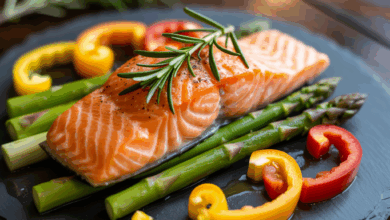
- Dinner: Grilled salmon, quinoa, and roasted Mediterranean vegetables (eggplant, zucchini, peppers).
- Evening: A small portion of dark chocolate or a slice of fresh fruit.
Pantry staples to keep on hand: extra-virgin olive oil, canned tomatoes, beans, whole-grain pasta, brown rice, olives, nuts, canned tuna or salmon, dried herbs, and lemons. When traveling or pressed for time, choose grilled fish or a bean salad rather than processed convenience foods.
Fitness tips that pair perfectly with Mediterranean eating
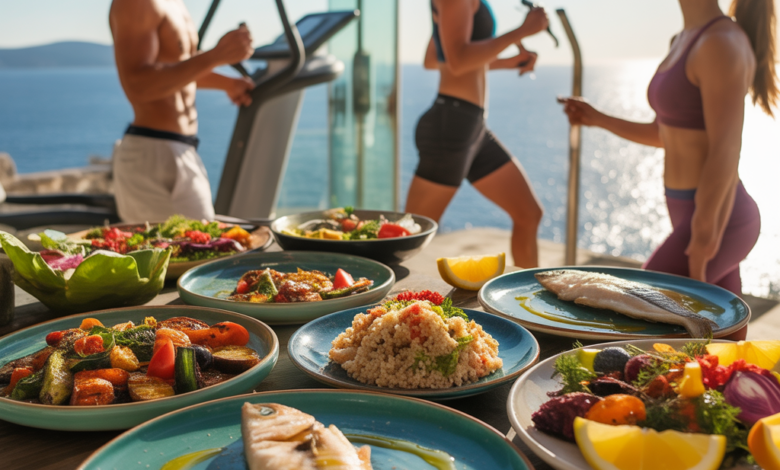
Pairing the Mediterranean diet with the right training makes results faster and more enjoyable. Focus on balanced workouts that support cardiovascular health, muscle tone, and mobility.
Weekly workout variations
- Cardio (3x/week): 30–45 minutes of brisk walking, cycling, or swimming — think of long, scenic walks like in Mediterranean towns.
- Strength (2–3x/week): Full-body resistance sessions using bodyweight, dumbbells, or bands — squats, push-ups, rows, and deadlifts.
- Interval training (1x/week): Short HIIT session — 6–10 rounds of 30s high effort, 60s rest to boost metabolic rate.
- Mobility & recovery (daily): 10–15 minutes of yoga, stretching, or foam rolling to support flexibility and stress reduction.
Practical tip: Fuel workouts with a small carbohydrate snack 30–60 minutes before training (banana or whole-grain toast with olive oil) and include a mix of protein and carbs afterward (Greek yogurt and fruit) to support recovery.
How to adopt the Mediterranean lifestyle, step-by-step
Start small. Replace butter with olive oil, swap sugary drinks for water or sparkling water with lemon, and add an extra serving of vegetables to one meal per day. Community and routine matter — cook with family, visit a farmers’ market, or batch-cook soups and stews for easy weekday dinners.
Actionable steps for busy people
- Meal prep one Mediterranean-style dish on Sundays (e.g., grain bowl or baked fish).
- Choose whole fruit over juice and whole grains over refined grains.
- Use herbs and citrus to flavor food instead of excess salt or heavy sauces.
- Make fish the main protein twice a week; rotate with legumes and poultry.
Mediterranean diet and real-life success stories
Many people have transformed their eating without extreme restriction. Sarah, a busy mom of two, started swapping microwave dinners for simple grain bowls and noticed increased energy for weekend runs. Marco, a 50-year-old office worker, replaced red meat dinners with fish and lentil salads and saw improvements in his cholesterol and waistline. These small, consistent changes are what make the Mediterranean approach effective and sustainable.
Frequently Asked Questions
1. Is the Mediterranean diet good for weight loss?
Yes — because it emphasizes whole, minimally processed foods and healthy fats that keep you full, many people lose weight naturally while following the Mediterranean diet. Combining it with regular physical activity accelerates progress.
2. Can I follow the Mediterranean diet if I’m vegetarian?
Absolutely. A Mediterranean-style vegetarian plan focuses on beans, lentils, whole grains, nuts, seeds, vegetables, and olive oil. Dairy and eggs can be used in moderation, and fish can be replaced with plant-based proteins.
3. How quickly will I see health benefits?
Some improvements, like increased energy and better digestion, can appear in weeks. Blood markers for heart health or weight changes may take months and depend on consistency with diet and exercise.
Conclusion — Start your Mediterranean journey today
The Mediterranean diet is more than a short-term fix — it’s a flavorful, flexible way to eat that supports fitness, longevity, and everyday energy. Begin with small swaps, plan a week of Mediterranean-style meals, and combine them with regular exercise like brisk walks, strength sessions, or a HIIT workout. If you’re ready to build a balanced routine, check out our workout routines, explore our practical nutrition guides, and read more wellness ideas on our wellness tips page. Embrace delicious food, move consistently, and enjoy the journey — try one Mediterranean-inspired recipe tonight and notice the difference tomorrow.