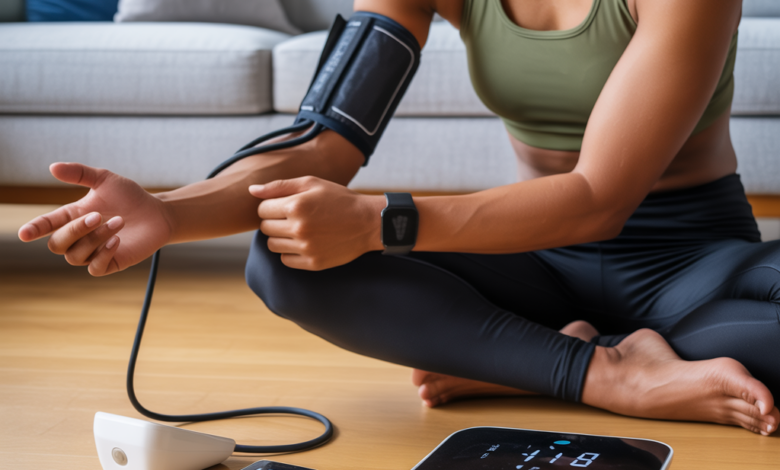
Have you ever wondered whether a quick check at home could catch a small health problem before it becomes big? Picture this: you wake up feeling off, but you’re not sure if it’s worth a doctor’s visit. With a few basic tools and simple techniques, many routine medical checkups you can do at home give you actionable information and peace of mind.
Why at-home health checks matter
Home health monitoring—also called DIY health screening or self health checks—lets you spot trends, measure progress, and make better daily choices. Whether you’re tracking blood pressure, checking your resting heart rate, or performing a fitness assessment, these tests empower you to notice changes early and adjust lifestyle habits like sleep, nutrition, and exercise.
Remember: at-home checks are not a substitute for professional medical evaluation. They’re a practical first step that can prompt timely care when something seems off.
Essential medical checkups you can do at home
Below are reliable, easy-to-learn self checks that fit into a busy schedule. Most require inexpensive devices or only your own body.
1. Blood pressure monitoring
- What to use: an automated upper-arm blood pressure cuff.
- How to do it: sit quietly for 5 minutes, rest your arm at heart level, take two readings one minute apart and record the average.
- Why it matters: home blood pressure monitoring helps detect hypertension patterns and evaluates how lifestyle changes (salt intake, exercise, stress reduction) are working.
2. Heart rate and pulse checks
- What to use: a smartwatch, fitness tracker, or your fingertips.
- How to do it: check your resting heart rate first thing in the morning or after 5 minutes of sitting calmly. For pulse, place index and middle finger on your wrist or neck and count beats for 30 seconds x 2.
- How to interpret: numbers vary by age and fitness—consistently elevated pulse or irregular rhythms warrant medical review.
3. Respiratory rate and oxygen saturation
- What to use: count breaths or use a pulse oximeter.
- How to do it: count breaths quietly for 60 seconds; normal adult rate is about 12–20 breaths/min. A pulse oximeter can show oxygen saturation—useful if you have lung conditions.
4. Temperature checks
- What to use: a digital thermometer.
- Why: fever is a basic but powerful signal of infection or inflammation.
5. Blood glucose testing (for people with diabetes or risk)
- What to use: a home glucometer or continuous glucose monitor if prescribed.
- How to use: follow device instructions; log fasting and post-meal readings to spot patterns.
6. Weight, BMI and waist circumference
- Tools: reliable scale and a tape measure.
- Track: weekly weight trends, calculate BMI, and measure waist to monitor visceral fat—an important cardiometabolic risk marker.
7. Skin and mole checks
- What to do: monthly head-to-toe skin checks using the ABCDE method (Asymmetry, Border irregularity, Color, Diameter, Evolving).
- Tip: photograph suspicious moles to compare changes over time.
8. Oral and throat checks
- Use a mirror and good lighting to look for mouth sores, white patches, or unusual lumps; persistent symptoms should prompt an exam by a dentist or doctor.
9. Mental health check-ins
- Use daily mood logs, simple screening questions for anxiety and depression, and consider journaling or a mental health app to track patterns.
At-home fitness assessments to complement your medical checks
Fitness tests give functional context to health data. Try these periodic assessments to measure strength, endurance, and mobility.
- 1-minute plank test: measure core endurance—aim to progress by 10–20 seconds each month.
- Push-up or modified push-up test: count max reps to gauge upper-body strength.
- 1-minute squat test or sit-to-stand test: track lower-body endurance and mobility.
- 3-minute step test: step up and down on a 12-inch step to estimate cardiovascular fitness and recovery heart rate.
- Single-leg balance test (eyes open/closed): helps spot balance decline that could increase fall risk.
Example: Sarah, a 42-year-old office worker, began tracking resting heart rate, blood pressure, and a plank test monthly. When her BP crept upward, she switched to lower-sodium meals, added two weekly 20-minute HIIT circuits from a home workout routines guide, and saw improvements within six weeks.
Practical tips, workout variations, and healthy lifestyle habits
- Routine: perform basic home checkups the same time of day (morning is often best) to reduce variability.
- Hydration & sleep: dehydration and poor sleep skew many readings—prioritize 7–9 hours of sleep and regular water intake.
- Workout variations: rotate strength days (bodyweight circuits, dumbbell sessions) with cardio (brisk walking, cycling, jump-rope intervals) to improve blood pressure and glucose control.
- Nutrition wins: focus on whole foods, fiber-rich vegetables, lean proteins, and limit processed foods and excess sodium to support cardiovascular and metabolic markers. See our nutrition guides for meal ideas.
- Record keeping: use a simple log or app for readings—trends matter more than single values.
When to seek professional care
If home checks show consistently abnormal values (very high blood pressure, unusual heart rhythms, low oxygen saturation, persistent fever, sudden weight loss, or new concerning moles), contact a healthcare professional. Home monitoring helps you decide when a clinical visit or urgent care is necessary.
Frequently Asked Questions
1. How accurate are medical checkups you can do at home?
Many home devices (automated BP cuffs, glucometers, pulse oximeters) provide reliable results when used correctly. Accuracy depends on device quality, proper technique, and consistent timing. Calibrate devices per manufacturer instructions and bring readings to your clinician for comparison.
2. How often should I perform at-home health checks?
Frequency depends on your risk profile. For most people, monthly checks for weight, blood pressure, and fitness tests are reasonable. Those with chronic conditions may need daily or weekly monitoring. Ask your healthcare provider for a personalized schedule.
3. Can I share home test results with my doctor?
Yes—document readings and share them during appointments. Many clinics accept patient-collected data and can incorporate it into care decisions. Bring your device to the clinic for a side-by-side check if requested.
Conclusion — Take control with medical checkups you can do at home
Simple, regular at-home medical checkups can give you early warnings, motivate lifestyle changes, and help you make smarter decisions about fitness and nutrition. Start with a basic toolkit (thermometer, validated blood pressure cuff, reliable scale, tape measure, pulse oximeter if needed) and a weekly routine. Track trends, try workout variations from our workout routines page, and refine your diet using our nutrition guides. If anything looks abnormal, reach out to a healthcare professional.
Ready to build your at-home health checklist? Download or create a simple log today and commit to a 30-day self-monitoring plan. Your future self will thank you.