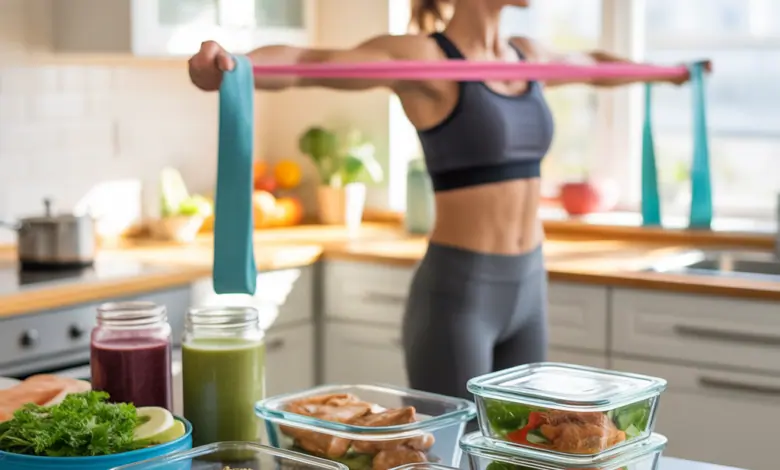
Ever stood in front of an open fridge at 7 p.m., exhausted from work, and decided a drive-thru is faster than cooking? You’re not alone. Between work, family, and workouts, it’s easy to let mealtime become chaotic. That’s where smart meal prep recipes step in — saving time, cutting stress, and keeping your nutrition on track so you can reach fitness goals without sacrificing flavor.
Why meal prep recipes are a game-changer
Batch cooking and make-ahead meals reduce decision fatigue and prevent impulse eating. Whether you’re aiming for weight loss, muscle gain, or simply more energy, consistent nutrition makes the difference. Meal prep helps you control portions, track macros, and keep grocery costs down. Real-world example: Laura, a schoolteacher and weekend runner, swears by Sunday food prep—she spends 90 minutes preparing breakfasts, lunches, and snacks and saves 7–10 hours a week otherwise spent cooking or ordering out.
Best meal prep recipes for fitness goals
Choosing recipes tailored to your goal makes meal prepping far more effective. Below are examples and templates that work for busy people, from beginners to athletes.
Healthy meal prep ideas for weight loss
- Grilled chicken + roasted veggies + quinoa (pre-portion to 400–500 kcal per container)
- Turkey lettuce wraps with Greek yogurt tzatziki and sliced cucumbers
- Veggie-packed soups (freeze single portions for easy thawing)
Meal prep recipes for muscle gain
- Beef & sweet potato bowls with broccoli and avocado — higher calories and quality carbs
- Salmon, brown rice, and edamame — rich in protein and omega-3s
- Protein smoothie packs: frozen berries, spinach, oats — add protein powder and milk when blending
Quick, easy weekly meal prep recipes for beginners
- Overnight oats (make 3-5 jars at once) — customizable, grab-and-go breakfasts
- Sheet-pan chicken and mixed vegetables — toss, roast, and portion
- Chili or stew — cooks once, feeds all week and improves in flavor over time
How to plan and execute meal prep like a pro
Follow this simple workflow to get started: plan, shop, cook, portion, and store.
Plan
- Pick 3–4 core recipes that share ingredients to save money and time.
- Decide on portions based on your calorie and macro targets.
Shop
- Write a grocery list organized by aisle: proteins, vegetables, grains, pantry items.
- Buy versatile staples: eggs, chicken breast, canned beans, frozen vegetables, rice, oats.
Cook
- Use batch methods: sheet pans, slow cooker, Instant Pot, or stovetop simmering.
- Cook proteins and starches in bulk, roast several vegetables, and assemble quickly.
Portion & Store
- Invest in leak-proof containers and freezer-safe bags.
- Label with date; refrigerated meals last 3–4 days, frozen meals up to 3 months.
- Keep dressings and crunchy toppings separate until ready to eat to maintain texture.
Practical fitness tips and workout pairings
Food and exercise work together. Use these meal prep strategies to support your training:
- Pre-workout: small carb-focused meal or snack (banana + a spoon of nut butter) 30–60 minutes before training.
- Post-workout: prioritize protein (20–30g) plus carbs to replenish glycogen—try a chicken rice bowl or a smoothie with protein powder.
- Hydration: prep a jug of infused water or electrolytes—drink throughout the day to optimize workouts.
Workout variation suggestions to pair with your meal plan:
- For fat loss: HIIT sessions 2–3x/week plus brisk walking and a resistance training split.
- For muscle growth: 3–5 days of progressive strength training (compound lifts + accessory work).
- For general fitness: mix mobility routines, moderate cardio, and full-body circuits for balanced progress.
If you’re looking for structured training that complements this nutrition approach, check out our workout routines page.
Balancing macros: quick guidelines
Everyone’s needs differ, but these starting points help you design meals:
- Protein: 0.6–1.0 grams per pound of bodyweight depending on activity level and goals.
- Carbohydrates: higher on heavy training days, lower on rest days (focus on whole grains, fruits, starchy veg).
- Fats: include healthy fats (avocado, nuts, olive oil) for satiety and hormone balance.
Real-world meal prep schedule (example)
Try this simple Sunday plan to save weekday time:
- 60 minutes: Roast chicken thighs, bake sweet potatoes, and cook a large pot of brown rice.
- 20 minutes: Sauté spinach, chop salads, and prepare two dressings.
- 10 minutes: Portion into 5 containers: protein + carb + veggies, label, refrigerate.
Swap proteins and carbs each week to keep meals interesting and avoid palate fatigue.
Frequently Asked Questions
1. How long do meal prep recipes last in the fridge?
Most refrigerated meal preps stay safe and tasty for 3–4 days. Cooked proteins, grains, and vegetables should be cooled quickly and stored in airtight containers. For longer storage, freeze portions—frozen meals can last up to 3 months.
2. Can meal prepping help me lose weight?
Yes. Meal prepping improves portion control and reduces impulsive eating. By planning calorie-appropriate, nutrient-dense meals you’re more likely to maintain a consistent calorie deficit (if weight loss is the goal) and avoid processed fast food.
3. What are the easiest meal prep recipes for beginners?
Start with simple, forgiving recipes like overnight oats, sheet-pan dinners, protein grain bowls, and soups. These are low-effort, scalable, and flexible — perfect for learning batch cooking and timing.
Healthy lifestyle advice for long-term success
Meal prep is a tool—not a restriction. Keep these habits for sustainability:
- Allow one flexible meal per week to enjoy social occasions without guilt.
- Rotate recipes every 2–3 weeks to prevent boredom and ensure diverse nutrients.
- Track progress with simple metrics: energy levels, gym performance, sleep quality, and clothes fit—not just the scale.
For more on fueling your body, explore our nutrition guides and read practical wellness tips to pair with your meal plan.
Conclusion — Start small and stay consistent
Meal prep recipes turn chaos into calm and make healthy choices the easy choice. Start with one meal type — breakfasts or lunches — and build momentum. Consistency beats perfection: even modest improvements compound into big results over time. Try one of the recipes this week, match it to a simple workout from our workout routines library, and see how your energy and performance improve.
Ready to get started? Pick one recipe, set aside 60–90 minutes this weekend, and enjoy stress-free, nourishing meals all week. Share your favorite prep hacks or ask a question in the comments below — I’d love to hear what works for you.