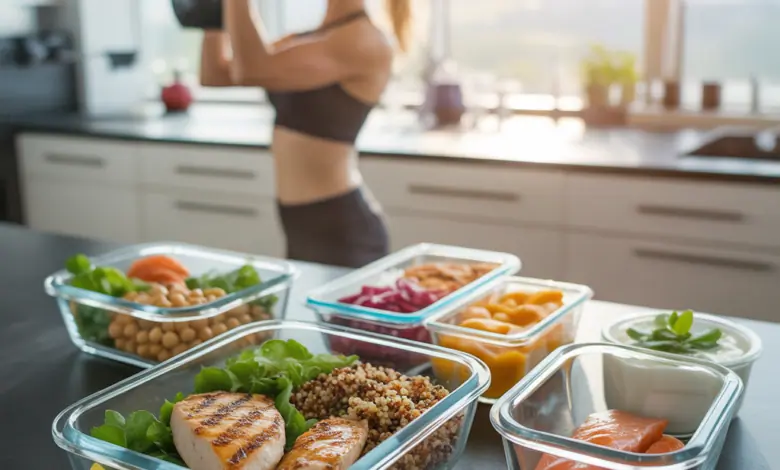
Ever come home after a workout famished, open the fridge, and stare blankly at leftovers that won’t help you hit your protein goals? If you’re juggling work, workouts, and life, high-protein meal prep can be the simplest habit that saves time, supports muscle recovery, and helps you stay on track. In this post you’ll find realistic, delicious, and science-backed meal prep ideas high protein that fit every goal—muscle gain, fat loss, or simply eating healthier.
Why high-protein meal prep works
Protein is the building block for muscle repair, satiety, and steady energy. Prepping protein-focused meals ahead of time removes decision fatigue, cuts down on impulse eating, and guarantees you hit daily macros. Whether you’re looking for lean protein meal prep, protein-packed lunches for the office, or quick high-protein breakfast options, planning ahead makes consistency easy.
How to build a balanced, protein-rich meal prep plate
- Aim for 20–40 grams of protein per main meal depending on your weight and training—this helps maximize muscle protein synthesis.
- Include a lean or complete protein source: chicken, turkey, lean beef, fish, eggs, Greek yogurt, cottage cheese, tofu, tempeh, or legumes paired with grains.
- Add complex carbohydrates for energy: brown rice, quinoa, sweet potato, oats.
- Finish with veggies and healthy fats: olive oil, avocado, nuts, or seeds for nutrient density and long-term satiety.
Meal prep ideas high protein: 10 practical recipes to prep this weekend
Here are simple, repeatable options that store well and reheat easily. Mix and match proteins, carbs, and veggies to keep variety.
Breakfasts (make-ahead)
- Greek yogurt jars: 1 cup Greek yogurt + 2 tbsp granola + 1 scoop protein powder or ¼ cup cottage cheese + berries. (30–40g protein)
- Egg muffin tin frittatas: 6 eggs + spinach + bell pepper + turkey sausage, baked and stored in single-serve containers. (20–25g protein each)
- Overnight oats with protein: oats + milk + 1 scoop whey or plant protein + chia seeds + banana. (25–35g protein)
Lunches & dinners
- Grilled chicken + quinoa + roasted broccoli. Make double chicken breasts, slice, and portion into containers. (35–45g protein)
- Salmon bowls: baked salmon fillet + brown rice + mixed greens + lemon tahini. (30–40g protein)
- Lean beef chili: ground lean beef or turkey + beans + tomatoes—freeze in portions for quick reheats. (30–45g protein)
- Tofu stir-fry: firm tofu pan-seared with veggies over soba or brown rice—high-protein vegan option. (20–30g protein)
High-protein snacks
- Cottage cheese + pineapple or nuts (15–20g protein)
- Hard-boiled eggs (6–7g each)
- Protein balls: oats + nut butter + protein powder + seeds (10–15g each, depending on size)
Shopping list & batching tips
Batch cook staples: grill several chicken breasts, roast a tray of mixed vegetables, and boil a big pot of quinoa. Keep a list of 6–8 go-to ingredients to rotate through the week. Use these time-saving techniques:
- Cook proteins in bulk and portion into airtight containers.
- Use reusable silicone bags for sauces and dressings to prevent sogginess.
- Freeze portions for meals you won’t eat within 3–4 days.
Practical fitness tips and workout variations
Pairing your meal prep with consistent training amplifies results. Here are simple tips and workout variations to complement your high-protein diet.
Strength training basics
- Focus on compound lifts: squats, deadlifts, bench press, rows, and overhead press—2–4 sessions per week.
- Progressive overload: add reps, sets, or weight each week to stimulate muscle growth.
Cardio & conditioning
- Include 1–3 moderate cardio sessions weekly (20–40 minutes) for heart health.
- Try high-intensity interval training (HIIT) once per week if you want to preserve muscle while burning fat.
Sample weekly pairing
Mon: Upper strength + Greek yogurt breakfast jars. Wed: Lower strength + chicken quinoa bowls. Fri: Full-body circuits + egg muffins. Sat: Active recovery walk + protein-rich snacks.
Real-world examples: how people make it work
Case 1 — Sarah (busy teacher): Prepares three mason jars of overnight oats and grills chicken on Sunday. She eats a protein-focused breakfast, takes a chicken bowl to work, and snacks on cottage cheese.
Case 2 — Marcus (weekend warrior): Makes beef chili in a large pot and freezes individual servings. After heavy lifts, he pulls a chili portion, adds rice, and gets a 40g protein meal fast.
Frequently Asked Questions
1. How much protein should I prep per meal?
Target 20–40 grams per main meal depending on body weight, activity level, and goals. Adjust snacks to fill remaining daily protein needs. A registered dietitian can give personalized numbers.
2. Can high-protein meal prep support fat loss?
Yes. High-protein diets increase satiety and help preserve lean mass during calorie deficits. Combine with a slight calorie deficit and consistent resistance training for best results.
3. How long will prepped meals last in the fridge?
Generally 3–4 days for most cooked proteins and vegetables. Freeze portions you won’t consume within that window. Store dressings separately to keep meals fresh.
Conclusion: Start your high-protein meal prep plan today
Meal prep ideas high protein don’t have to be complicated. With a few protein-rich staples, smart batching, and a simple workout plan, you can save time, feel fuller, and make measurable progress toward fitness goals. Pick three recipes from this list, block 60–90 minutes this weekend, and prep your week—small consistency wins add up fast.
Ready to take the next step? Try the 7-day protein-focused plan this week and share your favorite combo in the comments. For strength templates and variations, check out our workout routines, or dive deeper with practical meal planning tips in our nutrition guides. For balance and recovery tips, explore more wellness tips.