Meal Prep for the Week: Simple Strategies to Save Time, Eat Better, and Fuel Your Workouts

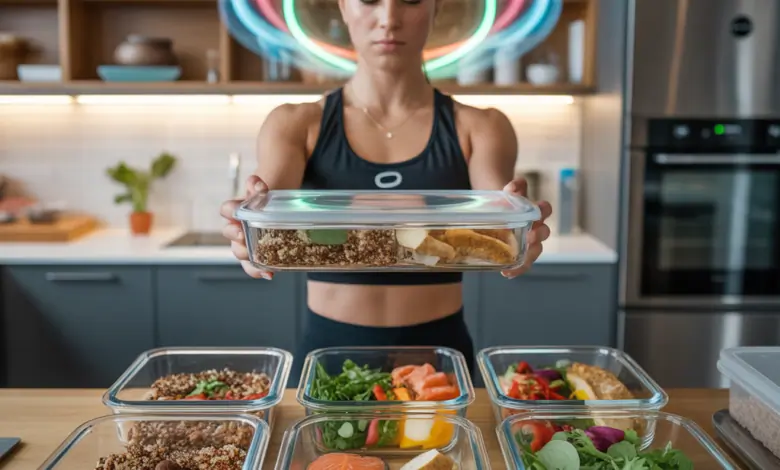
Ever stand in front of the fridge at 7 p.m., exhausted from work and wondering how dinner became a drive-thru again? What if one 90-minute Sunday session could give you calm weeknights, predictable nutrition, and better workouts? That’s the power of meal prep for the week—batch cooking and planning that makes healthy eating effortless.
Why Meal Prep Works (and Why You’ll Stick With It)
Meal prep is more than packing Tupperware; it’s a time-management and nutrition strategy. When you plan and prepare meals in advance you reduce decision fatigue, control portions, save money, and ensure you have macronutrient-balanced meals ready for pre- or post-workout fueling. Whether your goal is weight loss, muscle gain, or simply eating cleaner, weekly meal prep sets you up for success.
Meal Prep for the Week: A Simple Plan
Below is an easy, repeatable framework you can use this Sunday. It’s flexible and built around whole foods so you can adapt it to vegetarian, gluten-free, or high-protein needs.
Step 1 — Choose Your Core Proteins (2–3)
- Roasted chicken breast or thighs (season simply with olive oil, lemon, garlic)
- Lean ground turkey or beef for chili, meatballs, or tacos
- Firm tofu or tempeh as plant-based alternatives
Step 2 — Pick 2–3 Carbohydrate Bases
- Quinoa or brown rice (batch-cooked)
- Sweet potatoes (roasted or mashed)
- Whole-grain pasta or farro
Step 3 — Add Veggies and Greens
Roast a tray of mixed vegetables (broccoli, bell peppers, red onion) and prepare a big leafy salad. Keep dressings separate to maintain crunch.
Step 4 — Portion and Store
Divide meals into 4–6 containers, mixing protein, a carb, and vegetables. Use glass containers or BPA-free containers that stack well. Label with the date and rotate through the week—freeze the last 1–2 portions if needed.
Meal Prep Ideas for the Week: Sample Menu
Here’s a realistic weekly rotation that saves time and keeps flavors interesting:
- Breakfasts: Overnight oats with Greek yogurt, berries, and chia seeds; or egg muffins with spinach and feta.
- Lunches: Mediterranean bowls (quinoa, chicken, cucumber, tomato, hummus) and turkey chili served with brown rice.
- Dinners: Stir-fry with tofu and mixed veg over rice; sheet-pan salmon with sweet potato and asparagus.
- Snacks: Sliced veggies with hummus, mixed nuts, hard-boiled eggs, and fruit.
Practical Fitness Tips to Pair with Weekly Meal Prep
Meal prep becomes more effective when combined with intentional training. Try these tips:
Pre-workout and Post-workout Fuel
For morning HIIT or cardio, consume a small snack 30–60 minutes before (banana + almond butter). After strength training, have a recovery meal within 60 minutes: lean protein + carbs (chicken + quinoa) to support muscle repair.
Workout Variations to Match Your Meals
- High-protein days (eat more protein): pair with heavy lifting or strength sessions.
- Higher-carb days (refeed): schedule longer endurance workouts or interval runs.
- Light active recovery: yoga, walking, or mobility work—great for rest days.
Time-Saving Meal Prep Techniques
Maximize efficiency with these real-world tricks:
- Cook in bulk: make large batches of grains and proteins to mix and match.
- Use one-pan or sheet-pan recipes to simplify cleanup.
- Freeze portioned meals for weeks when your schedule gets crazy.
- Prep ingredients (wash greens, chop veggies) even if you don’t fully cook them—prepped ingredients are half the battle.
Healthy Lifestyle Advice to Complement Your Weekly Food Prep
Food is one pillar; sleep, hydration, and stress management complete the picture:
- Sleep: Aim for 7–9 hours—poor sleep increases cravings for high-calorie foods.
- Hydration: Start your day with a glass of water; pack a reusable bottle to sip during the day.
- Mindful eating: Take 15–20 minutes to eat; avoid screens to prevent overeating.
Real-World Example: A Busy Professional’s Sunday Prep Routine
Anna, a project manager, spends 90 minutes on Sunday: 20 minutes planning and grocery shopping, 60 minutes cooking (baking chicken, boiling quinoa, roasting veggies, making overnight oats), and 10 minutes packing. Monday through Thursday she grabs a pre-packed lunch and a snack for mid-afternoon. Her workouts shift to early mornings—short 30-minute strength sessions three times a week—and she uses the prepped meals for post-workout recovery.
Storage, Safety, and Reheating Tips
- Cool food quickly before sealing containers.
- Keep refrigerated meals for up to 4 days; freeze beyond that.
- Reheat evenly—stir halfway through microwaving or use an oven to retain texture.
Frequently Asked Questions
1. How many meals should I prep for the week?
Start small: prep 4–5 lunches and 3–4 dinners, plus breakfasts or snacks if you like. This reduces overwhelm and lets you adjust based on taste and schedule.
2. Can meal prep help me lose weight or build muscle?
Yes. Consistent, portion-controlled meals make calorie and macro tracking easier for weight loss. For muscle gain, prioritize higher protein portions and schedule strength training. Pairing meal prep with a targeted workout routine and guidance from nutrition plans can accelerate progress.
3. What are the best containers and tools for weekly meal prep?
Invest in stackable glass containers with airtight lids, a good non-stick sheet pan, a rice cooker or Instant Pot for grains, and quality knives. Mason jars are ideal for overnight oats and salads. These small investments save time and improve the taste and longevity of your meals.
Meal Prep for the Week: Final Thoughts and Next Steps
Meal prep for the week is a practical habit that transforms your health, time management, and training results. Start with one solid prep session, keep flavors simple but varied, and tweak portions to match your activity level. If you’re ready to level up, try a one-week meal prep challenge: pick three recipes, prep on Sunday, and track how you feel—energy, workouts, and cravings—through the week.
Want more guidance? Check out our nutrition guides for macro targets and meal templates, and browse our wellness tips for sleep and recovery strategies. Ready to commit? Start your first meal-prep Sunday this week—and tell us how it goes.
Call to action: Download a printable one-week meal-prep checklist and grocery list (save it to your phone or print it) and schedule 90 minutes this weekend to set yourself up for success.