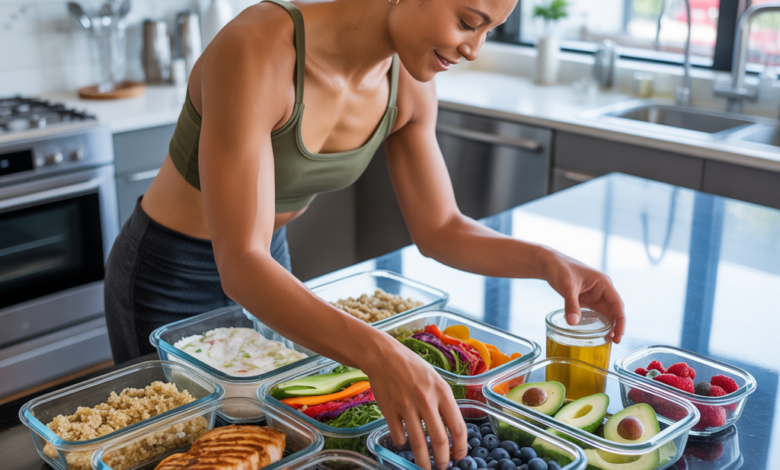
Ever open your fridge on a Tuesday night and stare at last night’s takeout while thinking, “I was going to eat healthy this week”? If you’re juggling work, workouts, family, and a social life, that scenario is all too real. Meal prep for the week isn’t about rigid rules or boring food—it’s about setting yourself up to win, one container at a time.
Why Meal Prep Works (and Why People Give Up)
Meal prepping reduces decision fatigue, controls portions, and helps you stick to nutrition goals. But common barriers—lack of time, confusion about recipes, and fear of bland meals—make many quit. The good news: a few smart habits and a realistic weekly plan will keep you consistent without living in the kitchen.
How to Plan Meal Prep for the Week: A Step-by-Step Guide
Follow this practical framework to create a weekly meal prep routine that fits your life, whether you’re training for a race or just trying to eat cleaner.
1. Set a realistic goal
- Decide how many meals you’ll prep: lunches only? Breakfasts and dinners? Snacks too?
- Be honest—if you don’t like reheated lunches, plan salads and cold bowls.
2. Choose a 60–90 minute prep window
Sunday afternoons or Monday evenings work for many. Aim for one efficient session rather than daily cooking; batch cooking saves time and mental energy.
3. Build a simple weekly menu
- Protein: chicken breasts, canned beans, tofu, or salmon.
- Carbs: brown rice, quinoa, sweet potatoes.
- Veggies: roast a big tray of mixed vegetables and steam greens.
- Healthy fats: olive oil, avocado, nuts, or tahini sauces.
4. Shop with a purpose
Write a grocery list filtered by recipe and avoid impulse buys. Use frozen vegetables for convenience and shelf-stable proteins to reduce trips to the store.
Meal Prep Tips That Save Time and Keep Food Interesting
- Use versatile bases: roast bulk sweet potatoes and quinoa, then mix-and-match sauces and proteins for variety.
- One-pot and sheet-pan meals reduce cleanup and preserve flavor.
- Invest in good containers—glass with compartments or stackable BPA-free options make portioning easy.
- Label containers with the date to track freshness.
- Swap flavors: change dressings (chimichurri, tahini lemon, pesto) instead of swapping full meals.
Sample Weekly Meal Prep Plan (Real-World Example)
Here are three quick examples tailored to common lifestyles.
Busy Professional
- Breakfast: Overnight oats with berries (5 jars)
- Lunches: Grilled chicken, quinoa, and roasted broccoli (5 lunches)
- Dinners: Sheet-pan salmon with sweet potatoes (3 dinners, freeze 2)
- Snacks: Pre-portioned hummus and carrot sticks
Parent on the Go
- Breakfast: Egg muffins with spinach (bake a dozen)
- Lunches: Turkey and avocado wraps (use tortillas for school-friendly options)
- Dinners: Slow-cooker chili (makes 6 servings)
- Snacks: Greek yogurt cups with granola
Athlete Training for Performance
- Breakfast: Protein pancakes (pre-make and freeze)
- Lunches: Brown rice bowls with tofu, edamame, and miso dressing
- Dinners: Baked chicken, roasted root veggies, and leafy green salad
- Snacks: Trail mix and cottage cheese
Pairing Meal Prep with Workouts and Recovery
Meal prep is most powerful when aligned with your training schedule:
- Pre-workout: Eat a small carb-and-protein snack 30–60 minutes before training (banana + nut butter, rice cake with turkey).
- Post-workout: Prioritize protein (20–30g) and carbs within 60 minutes—think a prepared chicken bowl or a protein smoothie from frozen fruit and protein powder.
- Hydration & sleep: Pack electrolyte-rich drinks for long workouts and maintain a consistent bedtime to amplify recovery.
Workout Variations to Complement Different Meal Plans
- For weight loss: Combine resistance training (3x/week) with moderate cardio; high-protein prepped meals help preserve muscle.
- For endurance: Focus on carb-rich meals before long runs or rides; batch-cook rice and oats for quick fueling.
- For muscle gain: Increase portioned proteins and include strength-focused routines; track calories and adjust meal portions every 2 weeks.
Smart Lifestyle Habits That Support Weekly Meal Prep
- Keep a running inventory of staples to avoid last-minute grocery runs.
- Rotate recipes every 2–3 weeks to prevent boredom.
- Make cleanup communal—get family members involved to teach kids cooking skills and save time.
- Use tech: a shared calendar reminder for prep day and fridge notes for meals.
Common Mistakes and How to Avoid Them
- Overprepping: Don’t cook more than you’ll eat. Freeze extras rather than letting them go bad.
- Forgetting taste: Use herbs and citrus to brighten meals that sit for days.
- Ignoring texture: Keep crunchy toppings separate until serving to retain freshness.
Frequently Asked Questions
1. How long will prepped meals stay fresh?
Most refrigerated meal-prepped dishes are safe for 3–4 days. For longer storage, freeze portions in airtight containers and thaw overnight in the fridge before reheating.
2. Can meal prep help with weight loss?
Yes. Meal prep helps control portions and minimize impulse eating. Pair prepped meals with a consistent exercise routine and you’ll likely see better adherence to your calorie and macronutrient goals.
3. What are fast meal prep recipes for beginners?
Start with simple combos: sheet-pan chicken and veggies, slow-cooker chili, overnight oats, or grain bowls with canned beans. These require minimal technique and scale easily.
Putting It Into Practice
Start small: prep lunches for three days this week and track how much time and money you save. Use a checklist, pick two signature sauces to vary flavors, and measure progress by how often you reach your nutrition and workout goals—not perfection.
Conclusion — Make Meal Prep for the Week Your Secret Weapon
Meal prep for the week isn’t punishment—it’s a strategy to reclaim time, reduce stress, and fuel your fitness goals. Commit to one weekly prep session, keep recipes simple, and pair your meals with targeted workouts for faster progress. Ready to get started? Try the sample plan this week, then explore more tailored routines on our workout routines and practical tips in our nutrition guides. For ongoing wellness advice, browse our wellness tips section.
Take action today: set a prep time in your calendar and pick three recipes. Your future, less-stressed self will thank you.
For more tips on meal planning and workout variations, check out 6 Easy Workouts for Developing a Larger Chest
For more high protein meal prep ideas, check out Meal Prep Ideas High Protein.
For more high protein meal prep ideas, check out Meal Prep Ideas High Protein.