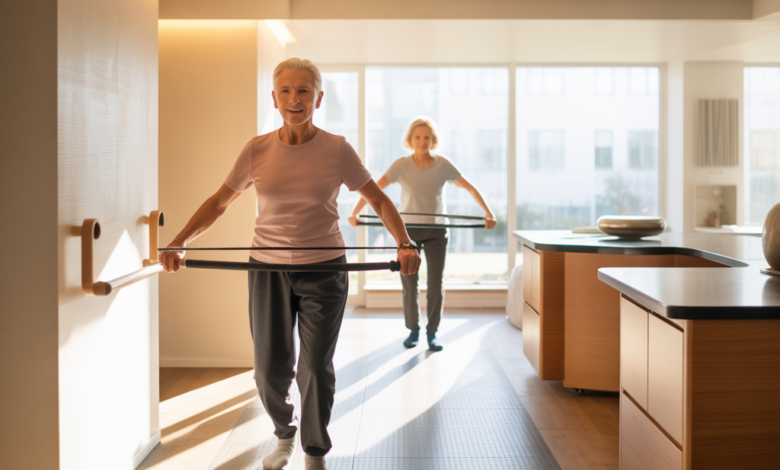
Have you ever watched a loved one pause at the top of the stairs, gripping the railing a little longer than usual? Or worried after a minor stumble in the hallway? If so, you’re not alone. Many families wonder how to make your home safe for seniors without turning it into a clinical environment. This guide gives realistic, fitness-focused, and lifestyle-centered steps to help older adults live independently, confidently, and comfortably at home.
Why making your home safe matters
Falls and home accidents are a leading cause of injury for older adults. Simple changes—like better lighting, secure grab bars, and a daily balance routine—can dramatically reduce risk. Beyond safety, a senior-friendly home supports mental health, encourages physical activity, and helps aging in place with dignity.
How to make your home safe for seniors: room-by-room checklist
Think in terms of accessibility, fall prevention, and ease of use. Below is a practical, room-by-room home safety checklist for seniors, with real-world examples and affordable solutions.
Entrance & hallways
- Install non-slip mats and a ramp if needed.
- Ensure a clear, clutter-free path and reachability of light switches.
- Use motion-activated lights for evening trips—simple and effective.
Living room & bedroom
- Arrange furniture to create wide walkways; remove small rugs that could catch toes.
- Use firm seating at a height that makes standing up easier.
- Consider bed rails or a higher mattress to aid transfers.
Bathroom
- Install grab bars near the toilet and in the shower or tub.
- Switch to a walk-in shower or add a shower chair and handheld showerhead.
- Place non-slip flooring and raised toilet seats if needed.
Kitchen
- Store everyday items at waist level to avoid reaching or bending.
- Use pull-out shelves and lever-style faucet handles for easier use.
- Add anti-scald devices to faucets and easy-to-read appliance controls.
Stairs & outdoor areas
- Add sturdy handrails on both sides of stairs and remove tripping hazards.
- Make sure outdoor paths are even and well-lit; consider railings on steps.
- For mobility issues, think about stair lifts or relocating essential rooms to the main floor.
Fitness and balance training at home for seniors
Home modifications are essential, but so is building strength, balance, and mobility. Regular, low-impact exercise reduces fall risk and improves quality of life. Below are practical fitness tips and workout variations tailored to older adults.
Daily mobility routine (10–15 minutes)
- Seated heel raises: 2 sets of 10–15 to strengthen calves and ankles.
- Seated or standing marches: 2 minutes to improve coordination and circulation.
- Arm circles and shoulder rolls: 1–2 minutes to maintain upper body mobility.
Balance progressions
- Double-leg stand: Hold at a counter for support, 20–30 seconds, 3 reps.
- Tandem stand (heel-to-toe): Progress from holding a chair to unaided as confidence improves.
- Single-leg stand: Start with 5–10 seconds, use a chair for safety, gradually increase time.
Strength-building exercises
- Chair squats: 2–3 sets of 8–12 reps to strengthen hips and thighs.
- Wall push-ups: 2 sets of 8–12 reps to preserve upper body strength.
- Resistance band rows: 2 sets of 10–15 reps to support posture and back muscles.
Real-world example: Joan, 78, started a five-minute seated routine each morning and progressed to 20-minute balance sessions three times a week. Within three months she reported fewer stumbles and more confidence walking to the mailbox.
Healthy lifestyle advice to support a safe home environment
Fitness is only part of the picture. Nutrition, medication management, vision care, and sleep all influence safety and independence.
- Nutrition: Prioritize protein and vitamin D for muscle strength and bone health. Small, frequent meals keep energy stable.
- Hydration: Dehydration can cause dizziness. Keep a water bottle nearby and set reminders.
- Medication review: Periodically review prescriptions with a doctor to reduce side effects like drowsiness or low blood pressure.
- Vision & hearing: Regular check-ups, proper lighting, and hearing aids when needed reduce risk of accidents.
- Sleep: Good sleep hygiene helps balance and reaction time—aim for consistent bedtimes and a dark, cool bedroom.
Assistive tools and small investments that make a big difference
Not all safety upgrades require major construction. Consider these practical purchases:
- Non-slip bath mats and rugs with rubber backing.
- Nightlights and motion-sensor lighting.
- Grab bars, shower chairs, and a raised toilet seat.
- Wearable medical alert devices for those living alone.
Real-world checklist to get started this weekend
Try this short, actionable plan:
- Walk each main route in the home and remove tripping hazards (10–20 minutes).
- Replace one small rug and install one grab bar (shopping + installation: half day).
- Start a 10-minute daily mobility routine and bookmark a relevant workout routines page for later.
- Set a reminder for a medication and vision check; review your pantry against a nutrition guides checklist.
Frequently Asked Questions
1. How quickly can changes make my home safe for seniors?
Many improvements (lighting, rugs, grab bars, exercise routines) can be done within a weekend. Larger projects like walk-in showers or stair lifts may take weeks. Start with high-impact, low-cost fixes.
2. What exercises are best to prevent falls in older adults?
Balance and strength exercises—such as chair squats, tandem stands, single-leg stands, and resistance band work—are highly effective. Aim for consistency: short daily sessions are better than sporadic long workouts. See our workout routines for guided plans.
3. Are professional assessments necessary to make a home senior-friendly?
While many changes are straightforward, occupational therapists or home safety assessors can identify hidden risks and recommend personalized solutions, especially for seniors with significant mobility or cognitive challenges.
Conclusion — Take the first step to make your home safe for seniors
Making your home safe for seniors combines smart physical modifications with fitness, nutrition, and daily habits. Start small—clear a pathway today, add a nightlight, and begin a five-minute balance routine. These steps add up fast and help loved ones maintain independence and confidence.
Ready to act? Begin your weekend checklist, explore our workout routines for balance training, and check our wellness tips page for more lifestyle ideas. If you want a simple printable version of the checklist, try implementing just three changes this week—lighting, a non-slip mat, and a short mobility routine—and see the difference.
Take action now: Walk your loved one through the home together, pick one upgrade, and schedule a weekly exercise habit. Small changes mean safer days.
For more information on seasonal fruits and vegetables that can support a healthy diet for seniors, check out our Seasonal Fall Fruits Vegetables List.
For more information on seasonal fruits and vegetables that can support a healthy diet for seniors, check out our Seasonal Fall Fruits Vegetables List.