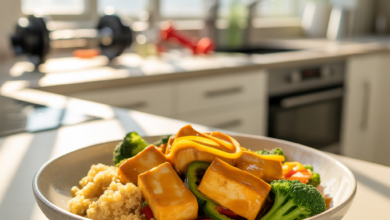
Have you ever finished a long day and wondered why you still feel drained despite “trying” to be healthy? Maybe you’ve jumped between fad diets, sporadic gym sessions, or late-night scrolling that steals sleep. Living a healthy lifestyle isn’t about perfection — it’s about sustainable choices that fit your real life. In this article you’ll find actionable, science-backed healthy lifestyle tips, workout variations, and meal strategies you can start using today to feel more energetic, reduce stress, and build long-term fitness.
Practical Steps to Living a Healthy Lifestyle
Start small. The most successful lifestyle changes are consistent, realistic, and built on habits you can maintain during busy weeks, travel, and family demands. Below are foundational steps to create a sustainable healthy lifestyle routine:
- Set micro-goals: Instead of “get fit,” start with “walk 20 minutes five times a week.”
- Track simple metrics: Sleep hours, steps, and two strength sessions per week are tangible and motivating.
- Prioritize sleep and recovery: Aim for 7–9 hours, consistent bedtime, and wind-down rituals (no screens 30 minutes before bed).
- Plan flexible workouts: Have a go-to 20-minute routine for busy days and a longer session for days you have time.
- Meal prep basics: Keep a few healthy staples ready (roasted veggies, lean protein, whole grains) so you default to good choices when busy.
Daily Habits That Make a Big Difference
Healthy habits compound. Here are daily routines that boost energy, immunity, and mood in realistic ways.
Morning habits
- Drink water within 30 minutes of waking to rehydrate.
- Move your body for 10–20 minutes — a brisk walk, mobility routine, or short yoga flow.
- Eat a balanced breakfast combining protein, healthy fats, and fiber to stabilize blood sugar.
Workday habits
- Use the 50/10 rule: 50 minutes focused work, 10 minutes of standing or walking.
- Pack a small snack (nuts, fruit, yogurt) to avoid energy crashes and poor food choices.
Evening habits
- Limit caffeine after mid-afternoon.
- Evening stretch or 10-minute meditation to unwind.
- Prepare tomorrow’s breakfast or lunch to avoid morning rush decisions.
Fitness Tips and Workout Variations
An effective fitness routine blends cardiovascular work, strength training, mobility, and rest. Below are practical workout variations for different goals and schedules.
Beginner-friendly routine (3 days/week)
- Day 1 — Full-body strength: bodyweight squats, push-ups, glute bridges, planks (3 sets of 8–12 reps).
- Day 2 — Cardio: 20–30 minutes brisk walk, bike, or light jog.
- Day 3 — Mobility + strength: kettlebell or dumbbell deadlifts, overhead press, and hip mobility drills.
Time-crunched HIIT option (15–20 minutes)
- 4 rounds: 40 seconds work / 20 seconds rest — alternating jumping jacks, squats, mountain climbers, push-ups.
Strength focus (3–4 days/week)
- Split workouts: Upper body, lower body, full body, and an active recovery day with stretching or yoga.
- Progressive overload: increase weight, reps, or sets gradually to build muscle and metabolism.
Tip: Mix and match these variations across weeks to avoid plateaus and keep motivation high. For structured plans, see our workout routines page.
Nutrition and Meal Planning for Real Life
Eating well is less about restriction and more about patterns that support energy and recovery. Aim for nutrient-dense meals, portion awareness, and flexibility.
- Macro balance: Prioritize lean protein (chicken, beans, tofu), healthy fats (avocado, olive oil), and complex carbs (sweet potato, brown rice).
- Whole foods over processed: Choose whole grains, vegetables, fruits, and minimally processed snacks.
- Batch cook: Make a big pot of chili or roasted vegetables to use across multiple meals.
- Simple swaps: Replace soda with sparkling water, refined grains with whole grains, and heavy sauces with herb-based dressings.
For meal templates and grocery lists that match different goals—weight loss, muscle building, or balanced maintenance—check our nutrition guides.
Mental Wellbeing and Stress Management
A healthy lifestyle includes mental health habits. Stress and poor sleep undermine physical efforts, so integrate strategies that restore your nervous system.
- Short daily practices: 5–10 minutes of mindfulness, breathing exercises, or gratitude journaling improves focus and mood.
- Boundaries: Schedule downtime and protect it as you would a workout.
- Social connections: Regular time with friends or family boosts resilience and motivation.
Real-World Examples: How People Make It Work
Case 1: Sarah, a busy teacher — She walks during her planning periods, preps lunches on Sundays, and swaps TV for a 15-minute yoga routine after work. Result: more energy and steady weight loss.
Case 2: Jamal, a new dad — Short home HIIT sessions and family walks with the stroller plus batch-cooked dinners keep him consistent. Outcome: improved strength and mood despite a tight schedule.
These examples show that fitting fitness and healthy eating into life is achievable with planning and small, consistent habits.
Frequently Asked Questions
1. How quickly will I notice benefits from living a healthy lifestyle?
Many people notice small improvements (better sleep, more energy) within 1–2 weeks of consistent changes. Significant changes in body composition or fitness often take 6–12 weeks. Focus on daily habits and progress rather than instant results.
2. I’m busy — what are the most efficient healthy lifestyle tips for a packed schedule?
Prioritize sleep, schedule short high-intensity workouts (15–20 minutes), batch-cook meals, and walk more throughout the day. Small consistent moves beat occasional big efforts.
3. Do I need to follow a specific diet to be healthy?
No single diet fits everyone. Aim for a balanced eating pattern rich in whole foods, adequate protein, healthy fats, and plenty of vegetables. Tailor portions and food choices to your activity level and health goals.
Conclusion — Make Living a Healthy Lifestyle Your New Normal
Living a healthy lifestyle is a practical, flexible journey, not a temporary sprint. Start with one or two changes: add a 20-minute walk, swap a processed snack for a whole-food option, or commit to three weekly strength sessions. Track the small wins and adapt as life changes. If you want structured support, explore our wellness tips and the workout and nutrition resources mentioned above. Ready to get started? Pick one habit from this article and try it every day for two weeks — then build from there.
Call to action: Commit to one small habit today and share your progress — your healthier life starts with one consistent step.
For more meal prep ideas that support a healthy lifestyle, check out Healthy Meal Prep.