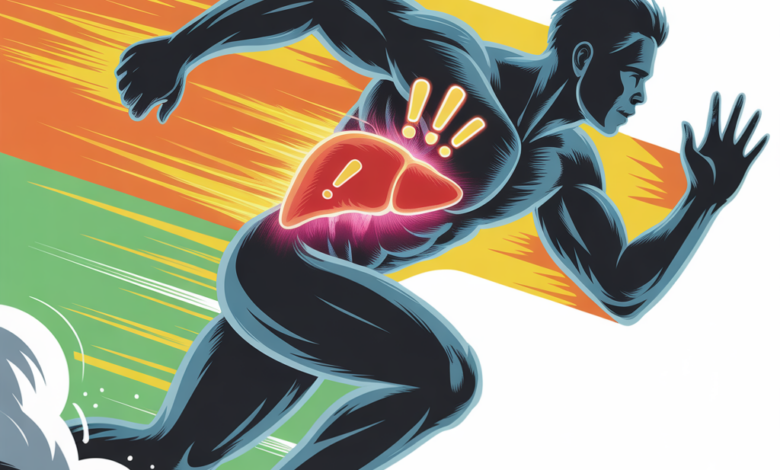
Have you ever chalked up persistent fatigue or a sour stomach to “just busy life”—only to wonder later if it was your liver trying to get your attention? It happens to athletes, busy professionals, and weekend warriors alike. Knowing the common liver toxicity red flags can save you time, worry, and potentially serious complications.
Why the Liver Matters for Fitness and Everyday Energy
The liver plays a central role in metabolism, recovery, and detoxification. When it’s under strain—due to medication, supplements, alcohol, viral hepatitis, or metabolic stress—your workouts, sleep, and energy levels suffer. Recognizing symptoms of liver damage early helps you adjust lifestyle factors and get tests like liver function tests (LFTs) if needed.
Key liver toxicity red flags to watch for
Below are the most common and actionable red flags that suggest liver injury or hepatotoxicity. These are early signs to take seriously, not a substitute for medical diagnosis.
1. Persistent fatigue and decreased workout performance
Feeling unusually tired despite good sleep, or struggling to complete workouts you previously handled easily, can be a subtle sign. The liver helps regulate energy metabolism—when it’s compromised, performance drops.
2. Yellowing of the skin or eyes (jaundice)
Jaundice is a classic sign of bilirubin buildup and often indicates significant liver stress. If you notice a yellow tint in your eyes or skin, seek medical attention promptly.
3. Dark urine and pale stools
Dark, tea-colored urine and light or clay-colored stools are red flags for bile flow obstruction or impaired liver processing. Keep an eye on these changes, especially if they appear with other symptoms.
4. Right upper abdominal pain or swelling
Discomfort, tenderness, or a feeling of fullness under the right ribcage can point to liver inflammation or enlargement. Combine this symptom with others for a clearer picture.
5. Itchy skin and easy bruising
Chronic itching (pruritus) and unexplained bruises may reflect disrupted bile salts or impaired blood-clotting factor production—both related to liver function.
6. Nausea, vomiting, and loss of appetite
Digestive disturbances are common in early liver injury. If nausea or appetite loss lingers for more than a few days, consider checking in with a clinician.
Common causes and real-world examples
Understanding triggers helps you prevent recurrence. Here are real-world scenarios that illustrate typical causes of hepatic stress:
- Supplement overload: A recreational bodybuilder took multiple herbal supplements and high-dose vitamin A, then developed fatigue and elevated liver enzymes on testing.
- Acetaminophen misuse: An office worker combining over-the-counter pain relief with cold medicines experienced nausea and abnormal LFTs after weeks of daily use.
- Alcohol + binge training: A weekend athlete who binged alcohol and pushed high-intensity training on inadequate recovery reported jaundice and was hospitalized for acute liver injury.
Fitness and lifestyle strategies to support liver health
Small, consistent changes protect the liver and improve overall fitness. Try these practical tips.
Exercise tips and workout variations
- Prioritize regular aerobic activity: 30–45 minutes of brisk walking, cycling, or swimming 4–5 times weekly supports metabolic health and reduces fatty liver risk.
- Include strength training: Two full-body strength sessions per week (bodyweight, resistance bands, or free weights) help maintain lean mass and improve insulin sensitivity.
- Manage intensity when symptomatic: If you’re experiencing fatigue or nausea, switch to low-impact options—gentle yoga, walking, or mobility circuits—until you feel better.
- Try interval training with moderation: HIIT can be effective but don’t overdo it when your body signals stress. Shorter intervals (10–15 minutes) may be safer during recovery.
Diet and recovery for liver support
- Focus on whole foods: Vegetables (especially cruciferous greens), lean proteins, whole grains, and healthy fats support detox pathways.
- Reduce processed sugars and alcohol: Excess sugar and alcohol are major drivers of fatty liver and hepatotoxicity.
- Stay hydrated and time meals: Proper hydration and balanced meals stabilize metabolism and reduce liver strain.
- Be cautious with supplements and medications: Always check doses and interactions—some herbal products and high-dose vitamins can be hepatotoxic.
When to see a doctor and what to expect
If you notice any liver toxicity red flags—especially jaundice, severe abdominal pain, or persistent vomiting—seek medical evaluation. Your clinician may order liver function tests (ALT, AST, ALP, bilirubin), imaging like ultrasound, or refer you to a hepatologist. Early identification can prevent progression and guide safe return to training.
Preventive habits for long-term liver resilience
Think of liver health like a training cycle: consistent, manageable habits build resilience.
- Sleep 7–9 hours nightly to optimize recovery and metabolic regulation.
- Manage stress with mindfulness or breathwork—chronic stress affects hormone balance and liver metabolism.
- Keep a healthy weight; losing 5–10% of body weight can significantly improve fatty liver in many people.
- Schedule annual check-ups and inform your provider about supplements, over-the-counter meds, and alcohol use.
Frequently Asked Questions
Q: What are the first signs of liver toxicity?
A: Early signs can be non-specific—fatigue, loss of appetite, nausea, and mild abdominal discomfort. More specific signs include jaundice (yellowing of the skin/eyes), dark urine, and pale stools. If you notice these, consult a healthcare provider for testing.
Q: Can exercise improve liver function?
A: Yes. Regular aerobic and resistance training improve insulin sensitivity, reduce liver fat, and support overall metabolic health. Modify intensity when you feel unwell and prioritize recovery to avoid additional stress.
Q: Are supplements safe for the liver?
A: Many supplements are safe when used appropriately, but some herbal products, high-dose vitamins (like vitamin A), and unregulated compounds can be hepatotoxic. Always research ingredients, follow recommended dosages, and discuss supplements with a healthcare professional.
Conclusion: Take liver toxicity red flags seriously—and act
Recognizing liver toxicity red flags early empowers you to protect your health and performance. If you notice persistent fatigue, jaundice, dark urine, or digestive changes, pause intense training, review your medication and supplement use, and get checked with a liver function test. Small lifestyle shifts—balanced nutrition, regular exercise, sensible supplement use, and good sleep—go a long way.
Ready to take proactive steps? Check out our workout routines for gentle-to-intense options, browse our nutrition guides to support liver health, and explore practical wellness tips for recovery. If symptoms are severe or sudden, seek medical care promptly.
Take action: Notice a red flag? Schedule a medical check-up, document your symptoms and supplements, and adjust your training load until you have answers.
Disclaimer: This article is for informational purposes and does not replace professional medical advice. If you have serious symptoms, contact a healthcare provider immediately.