Ever stood on the beach the morning of a triathlon, heart racing, wondering if you packed the right nutrition, warmed up properly, or remembered the second bike bottle? If that scene makes you nervous, you’re not alone — and this Lavaman triathlon guide for race day is written for exactly that moment. Think of it as your calm, expert friend who walks you through the race-day decisions that make the difference between a slog and a strong finish.
Why a Race-Day Plan Matters for Lavaman
Lavaman’s ocean swims, rolling bike courses, and often humid conditions demand a focused race-day strategy. A clear plan reduces anxiety, preserves energy, and lets you perform the training you’ve invested in. Whether you’re targeting a personal best or aiming to finish strong, race-day systems — from transition setup to pacing and fueling — are your competitive edge.
Pre-Race Morning: Checklist and Warm-Up Routine
The essential pre-race checklist
- Race kit: wetsuit (if allowed), swim cap, goggles, tri suit, race belt.
- Bike essentials: helmet, sunglasses, spare tube, CO2 or pump, shoes clipped or loose depending on preference.
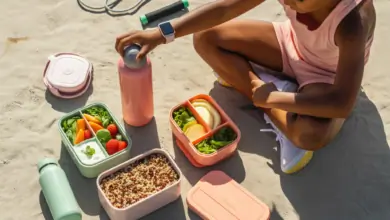
- Nutrition: morning breakfast, energy gels, electrolyte drink, salt tabs if you sweat heavily.
- Extras: sunscreen, towel, warm layers before start, timing chip.
Warm-up routine for open-water swimming and cycling
Start with a light 10–15 minute jog or dynamic mobility to get blood flowing. For the swim, do 5–10 minutes of easy strokes and a few short pickups to acclimatize to the water temperature. On the bike, spin 8–10 minutes at low intensity with 3 short efforts of 15–20 seconds to prime fast-twitch muscles. This combination helps prevent cramping and spikes in heart rate once race signals go off.
Swim Strategy: Start Smart, Cruise Steady
Lavaman’s ocean start can be chaotic. Use these tactics to conserve energy:
- Positioning: Start to the side of the pack if you dislike contact—aim for clear water and a slightly longer but quieter swim.
- Pacing: Use a strong but controlled stroke rate. Drafting behind a swimmer can save energy if legal and comfortable for you.
- Sighting: Lift your head every 6–8 strokes to stay on course—sight to the tallest buoy or landmark to avoid swimming extra meters.
Bike Tactics: Power Management and Nutrition
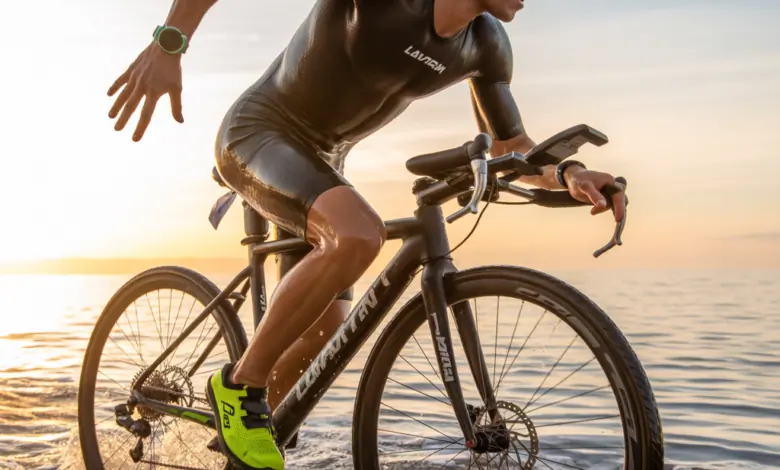
On the bike, pacing beats ego. Treat the first 10–15 minutes as a settling phase to avoid burning matches early:
- Use perceived effort or a power target (if you use a power meter). For most age-groupers, 75–85% of your race bike FTP is sustainable depending on distance and conditions.
- Nutrition rhythm: Aim for 30–60g of carbohydrates per hour for Olympic distance; adjust higher for longer courses. Practice this in training so your gut tolerates it.
- Hydration and electrolytes: Sip consistently—don’t wait until thirsty. In hot, humid conditions, include salt tabs as needed.
Common bike workout variations to practice
- Tempo rides: 20–40 minutes at steady threshold to simulate race pacing.
- Interval sets: 8×3 minutes at high intensity with equal recovery to build repeatable power for surges and climbs.
- Brick sessions: 30–60 minutes bike followed by a short run to adapt legs for the transition.
Run Off the Bike: Transition and Pacing
The run often decides your day. Focus on form and a controlled start to let your legs settle:
- Transition tip: Lay out your shoes pre-laced and practice a quick sockless or elastic lace setup in training.
- First kilometers: Start 10–20 seconds per km slower than your goal race pace for the first 1–2 km, then settle into your target pace.
- Nutrition: If you took gels on the bike, time your last gel ~5–10 minutes into the run to avoid mid-run bonks.
Race-Day Nutrition and Recovery
Nutrition isn’t just about race day — it’s a lifestyle. In the 48 hours before Lavaman, emphasize quality carbs, lean proteins, and hydration. Avoid heavy, high-fat late-night meals that can disturb sleep.
- Pre-race meal: 2–3 hours before start, aim for 300–500 calories of low-fiber carbs and moderate protein (oats, banana, yogurt, toast with peanut butter).
- During race: Practice with the same gels, bars, and electrolyte mixes in training to minimize GI issues.
- Post-race recovery: Within 30–60 minutes, have a 3:1 carb-to-protein snack (chocolate milk or sandwich) to jump-start muscle repair.
Practical Tips from Real Athletes
Case study: Sarah, an age-group triathlete, improved her Lavaman finish time by 12 minutes after dialing in transitions and practicing three specific brick workouts each week for six weeks. Another athlete, Mark, avoided cramping by adding electrolytes to his bike bottle and slowing his initial bike pace.
These examples show targeted changes — not more training — often produce the biggest race-day gains.
Race-Day Essentials: Final Quick Checklist
- Arrive early: Allow time to rack bike and warm up.
- Check race rules: Wetsuit regulations, drafting rules, and cut-off times.
- Mindset: Rehearse a short pre-race mantra to calm nerves.
Lavaman Triathlon Guide for Race Day: Key Takeaways
Preparation + practice = confidence. This Lavaman triathlon guide for race day helps you balance smart pacing, practiced nutrition, and efficient transitions so you can focus on executing your plan instead of reacting to surprises. Use this guide as a checklist, practice tool, and calm companion on race morning.
Frequently Asked Questions
1. What should I eat the morning of Lavaman?
Eat a familiar, carbohydrate-rich breakfast 2–3 hours before start (oatmeal, banana, toast with honey). Keep it low in fiber and fat to reduce GI distress. Sip water and an electrolyte drink up to race start.
2. How long should my warm-up be before the swim?
About 10–15 minutes total: light cardio and dynamic mobility, plus 5–10 minutes of easy swimming with a few short efforts to get your heart rate and breathing ready for race pace.
3. Is drafting allowed in Lavaman bike legs?
Rules vary by event and age group; many Lavaman races are non-drafting but allow pacelines with proper spacing. Check your athlete guide for the specific race rules and penalties before you line up.
Conclusion — Ready to Own Your Lavaman Race Day?
With this Lavaman triathlon guide for race day you now have a practical plan: pre-race checklist, swim, bike and run tactics, nutrition strategies, and proven workout variations to practice. Take one action today — review your transition setup or schedule a brick session this week — and you’ll feel more prepared on race morning.
Want more structured preparation? Explore our workout routines, fine-tune your eating with our nutrition guides, or build better daily habits on our wellness tips page. Now go pack your bag, trust your training, and enjoy the race.