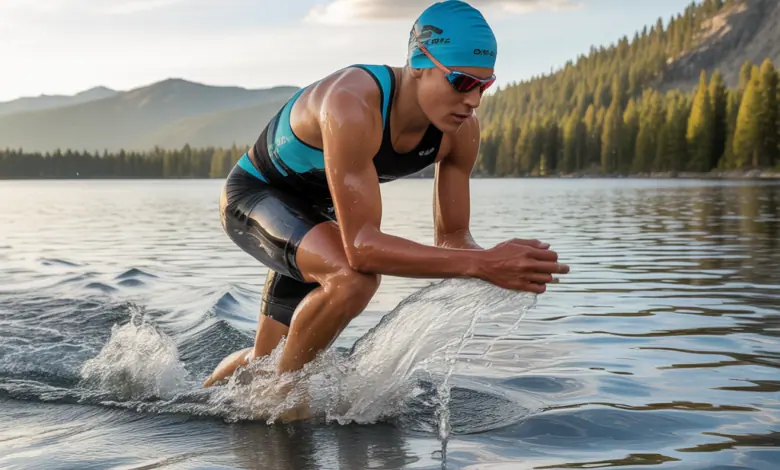
Have you ever pictured yourself exiting a crystal-blue lake, clipping into your bike on a winding mountain road, and finishing strong with pine-scented air in your lungs? If so, this Lake Tahoe triathlon guide will help you turn that vision into a race-day reality. Whether you’re a first-timer or targeting a personal best, the combination of altitude, open water, and rolling climbs requires a race-specific plan—and a calm, confident approach.
Why Lake Tahoe Is a Unique Triathlon Destination
Lake Tahoe triathlons are stunning but demanding. The course often includes open-water swims in chilly alpine water, bike routes with significant elevation changes, and runs on mixed terrain. You’re not just racing distance—you’re managing conditions: colder water temps, thinner air, and sometimes unpredictable mountain weather. Preparing for these factors separates a successful race from a rough day on course.
Key Race-Day Essentials
- Acclimatization: If you live at sea level, plan to arrive 2–4 days early to adapt to altitude and reduce perceived effort.
- Wetsuit and Swim Gear: Cold water means wetsuit rules apply; practice open-water swims in a wetsuit to master buoyancy and sighting.
- Bike Setup: Use a compact crank or lower gearing to handle steep climbs. Check brakes and tires for mountain roads.
- Nutrition and Hydration: Cooler temperatures can mask dehydration—track fluids and include electrolytes in your plan.
- Transition Practice: Efficient T1/T2 saves time—practice racking, quick shoe changes, and mounting/dismounting on hills.
Training Strategies: Build Strength, Power, and Stamina
The right training combines open-water swim work, hill-focused cycling, and run durability. Below are practical training blocks and workout ideas you can slot into your schedule.
Swim: Open-Water Confidence
- Do sighting drills every session—look up every 6–8 strokes to simulate lake navigation.
- Mix tempo sets (e.g., 4x400m at race pace) with endurance sets (e.g., 3x800m) to maintain pace for the swim distance.
- Practice group swims and mass-start simulations to handle contact and drafting scenarios.
Bike: Hill Repeats and Power Endurance
- Include weekly hill repeats (6–8 x 3–5 minutes hard with full recovery) to build climbing power.
- Do long rides with rolling terrain to mimic Tahoe’s variable profile—practice pacing and fueling on these rides.
- Perform one brick workout per week (bike 60–90 minutes followed by a 20–30 minute run) to improve bike-to-run transitions.
Run: Strength and Turnover
- Hills are your friend—add tempo hill runs and interval sessions to prepare for altitude and climbs.
- Use progressive long runs: start comfortable pace, finish at or slightly faster than race pace to simulate a strong finish.
- Don’t skip cadence drills; higher turnover helps preserve form after a hard bike leg.
Sample 8-Week Training Block (Sprint/Olympic Distance)
Here’s a simple weekly structure you can adapt:
- Monday: Rest or active recovery (yoga, light swim)
- Tuesday: Bike intervals + short brick run
- Wednesday: Swim drills + strength session (core and single-leg strength)
- Thursday: Tempo run or hill repeats
- Friday: Technique swim + mobility work
- Saturday: Long ride with climbs
- Sunday: Long run or recovery ride
Adjust volume by your race distance and training age. For race-specific workouts, check our workout routines page.
Nutrition and Recovery: Fuel for Mountain Racing
Nutrition in alpine triathlons requires planning. Cooler climate can reduce perceived thirst; keep electrolytes in your bottles and aim for consistent carbohydrate intake (30–60g/hour for shorter races, up to 90g/hour for long-course) depending on tolerance. Pre-race meals should be familiar and easily digestible—think oatmeal, a banana, and a small amount of protein 2–3 hours before the start.
Post-race recovery is equally vital: prioritize a 3:1 carbohydrate-to-protein ratio within 30–60 minutes after finishing to start glycogen replenishment and muscle repair. For more detailed meal timing and recipes, see our nutrition guides.
Gear Checklist: Don’t Leave Anything to Chance
- Wetsuit (if allowed), swim cap, goggles with anti-fog
- Bike with appropriate gearing, helmet, sunglasses
- Race kit: aerodynamic but comfortable clothing, spare tube, CO2 inflator
- Nutrition: gels, chews, electrolyte tabs, bottle cages with secure mounts
- Transition towel, race belt, sunscreen, lightweight wind layer
Race-Day Tactics for Lake Tahoe
Pacing up hills conserves energy—avoid red-lining on the early climbs. Plan your effort zones by perceived exertion when altitude blunts your usual power numbers. Use sighting every 6–8 strokes in the swim and practice drafting lightly to save energy. On the bike, stay seated on steeper grades if you can maintain cadence; standing sprints use more glycogen. Finally, start your run controlled—use the first mile as a settling lap.
Safety and Environment: Respect the Lake
Open-water safety is non-negotiable. Always swim near lifeguards or safety kayaks on race day. Hypothermia risk exists in cold alpine waters—know the symptoms and prioritize a safe exit if you feel disoriented. Respect local wildlife and Leave No Trace principles when training around Tahoe’s shoreline and trails.
Frequently Asked Questions
Q: What wetsuit is best for a Lake Tahoe triathlon?
A: Choose a full-sleeve triathlon-specific wetsuit that balances flexibility and buoyancy. Look for suits with good shoulder mobility for longer swim distances. Try several sizes in store or at demo days—comfort and range of motion matter more than brand names.
Q: How should I adjust training for the altitude around Lake Tahoe?
A: If you can’t arrive early to acclimatize, reduce intensity for the first 48–72 hours to avoid overexertion. Incorporate more rest, hydrate well, and expect perceived exertion to be higher—plan conservative pacing and avoid efforts that spike your heart rate excessively before race day.
Q: Is it worth scouting the course before race day?
A: Absolutely. Ride and run parts of the bike and run course if possible—note steep sections, road surfaces, and transition layout. Visual reconnaissance helps with mental preparation and strategy, reducing surprises on race day.
Conclusion: Ready to Tackle Tahoe?
With the right preparation, a Lake Tahoe triathlon becomes an unforgettable achievement—an alpine test of swim skills, climbing strength, and mental grit. Use this Lake Tahoe triathlon guide to structure your training, refine your gear, and plan your race-day tactics. Start by building a focused block of swim, bike, and run sessions, dial in your nutrition from the training days, and arrive refreshed and confident.
Ready to get started? Explore our workout routines and wellness tips to build a plan tailored to your goal, and sign up for your race calendar—then get training. See you at the lake!