Ever find yourself staring at your race calendar, picturing the swim, bike and run, and wondering, “Can I really conquer the Kerrville Triathlon Premier Race?” Whether you’re a first-timer drawn to Texas Hill Country charm or a seasoned triathlete aiming for a personal best, this guide walks you through race-specific training, nutrition, and race-day strategy so you cross the finish line confident and strong.
Why the Kerrville Triathlon Premier Race Is a Must-Do
The Kerrville Triathlon Premier Race is more than a line in your race log — it’s a celebration of endurance in scenic terrain. The course typically features rolling hills, an open water swim, and a supportive local community. That means you need a training plan that balances endurance, climbing strength, and open-water confidence.
What sets it apart from other triathlons
- Scenic hill-country bike sections that reward climbing practice and gearing strategy.
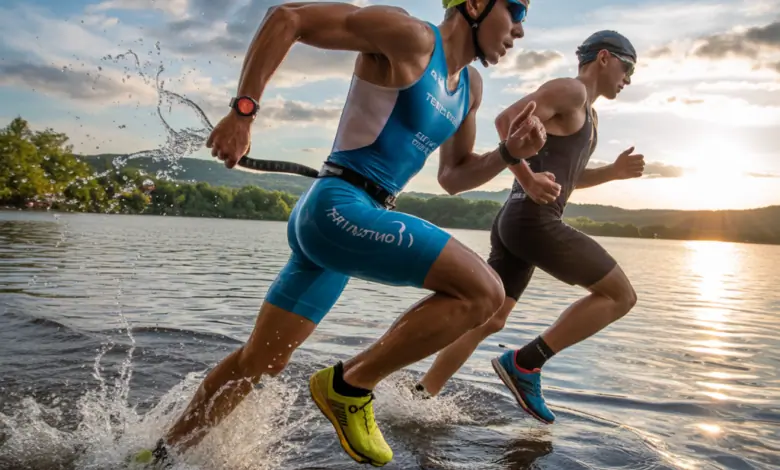
- An open-water swim where sighting and drafting practice matter.
- A local vibe that makes race-day logistics and mental prep as important as physical training.
Build a Kerrville-Focused Training Plan
Creating a training plan for the Kerrville triathlon premier race means tailoring workouts to the course profile and your race distance (sprint, Olympic, or longer). Below is a practical 12-week outline you can adjust based on current fitness and target distance.
Weekly structure (example)
- Monday: Active recovery + mobility
- Tuesday: Swim technique + short intervals
- Wednesday: Bike hill repeats or tempo ride
- Thursday: Run intervals or brick (bike-to-run) session
- Friday: Easy swim or strength training
- Saturday: Long ride with race-pace efforts
- Sunday: Long run or group ride for race simulation
Swim, Bike, Run — workouts that matter
Focus on sport-specific quality sessions rather than just volume.
- Swim: Practice open-water sets — sighting every 10–15 strokes, bilateral breathing, and group starts. Add tempo ladders (100-200-300) to build speed endurance.
- Bike: Include hill repeats or simulated climbs if you don’t live near hills. Work in sustained race-pace blocks of 20–40 minutes to adapt to the Kerrville rolling sections.
- Run: Brick workouts (20–40 min run after a hard bike) are essential. Include interval sessions (e.g., 6 x 800m at 5K pace) and steady-state runs to build strength and turnover.
Race-Day Strategy for Kerrville Triathlon Premier Race
On race day, small decisions compound. Plan your transitions, pacing, and nutrition in advance so they feel automatic under pressure.
Transition tips
- Set up your transition zone with a simple checklist: goggles, swim cap, helmet, shoes, nutrition, and race belt.
- Practice mounting and dismounting drills if the bike course has technical sections.
- Know the run exit so you don’t waste energy fumbling with shoes or sunglasses.
Pacing and effort
Start conservative on the bike — Kerrville’s hills can punish an overly aggressive opening. Use perceived effort and heart rate alongside power or speed data to maintain sustainable intensity. On the run, remember that the first kilometer off the bike can feel heavy; trust your training and settle into your planned pace.
Nutrition, Recovery, and Lifestyle Tips
Training smart includes fueling and recovery strategies that keep you consistent and injury-free.
Pre-race and race nutrition
- Practice your race-day breakfast during long training sessions (oatmeal, a banana, and a small coffee often work well).
- During the bike, aim for 30–60g of carbohydrates per hour for races under 2.5 hours; longer efforts require more tailored fueling.
- Hydrate to match local conditions — Kerrville can be warm early in the season. Electrolyte tablets help replace salts on long rides.
Recovery and strength
- Include two weekly strength sessions focusing on core, glutes, and posterior chain to handle hills and maintain form late in the run.
- Prioritize sleep and active recovery days to reduce injury risk and improve gains from hard workouts.
- Foam rolling and targeted mobility for hips and shoulders help athletes adapt to the swim-bike-run demands.
Real-World Examples and Variations
Meet Dana, a weekend warrior prepping for the Kerrville triathlon premier race. With a 12-week plan, she replaced one long road ride with a hilly group ride to simulate course conditions and added weekly open-water swims to build confidence. On race day, conservative bike pacing and practiced nutrition allowed her to negative-split the run and finish with energy to spare.
If you have limited open-water access, replace some swims with interval treadmill sets to keep aerobic fitness, and schedule 2–3 supervised open-water practices in the last 4–6 weeks to fine-tune sighting and starts.
Training Resources
For structured sessions you can slot into this plan, check out our workout routines page. For meal plans and fueling templates, see our nutrition guides. If you want daily habits to support recovery, visit our wellness tips section.
Kerrville Triathlon Premier Race — Frequently Asked Questions
Q1: How should I prepare for the open-water swim at Kerrville?
A1: Practice sighting drills and group-start simulations. Swim intervals with sighting every 6–10 strokes and include at least 2–3 open-water sessions in the final month. Use a wetsuit in colder water and practice putting it on quickly.
Q2: What kind of bike gearing is best for the Kerrville course?
A2: A compact crankset or a wide-range cassette (e.g., 11-32) helps on short steep climbs. Train with similar gearing and cadence ranges so your legs adapt to frequent gear changes over rolling terrain.
Q3: How far in advance should I taper for the race?
A3: For sprint distances, taper 3–5 days; Olympic and longer distances typically require a 7–10 day taper. Reduce volume while keeping intensity to maintain race sharpness without fatigue.
Conclusion — Ready for the Start Line?
Whether your goal is to finish strong or chase a personal best, the Kerrville Triathlon Premier Race rewards smart preparation: swim confidence, hill-ready bike legs, and run durability. Start with a race-specific plan, practice transitions and fueling, and build recovery into your routine. If you’re ready to level up your training, explore our workout routines and nutrition guides to create a plan that gets you to the finish line with a smile.
Sign up, train deliberately, and see you at the start line — your Kerrville triathlon premier race awaits. Ready to get started? Grab a training plan today and commit to one small consistent habit this week.