Ever hit the wall halfway through a workout and wondered if something more than training schedule or sleep is holding you back? For many athletes—especially endurance runners, triathletes, and female competitors—low iron is the silent reason for unexplained fatigue, poor recovery, and reduced endurance. The good news: the right diet can make a big difference.
Why Iron Matters for Athletes
Iron is a key mineral that helps carry oxygen to muscles via hemoglobin and supports energy production at the cellular level. Athletes put extra demand on their bodies through intense training, which increases iron needs. Low iron can lead to decreased endurance, slower recovery, and impaired performance—even if you’re getting plenty of calories.
Who’s at Risk?
- Endurance athletes (runners, cyclists, swimmers)
- Female athletes of reproductive age
- Vegetarians and vegans
- Anyone with heavy training loads or recent injury/illness
Top Iron Rich Foods for Athletes
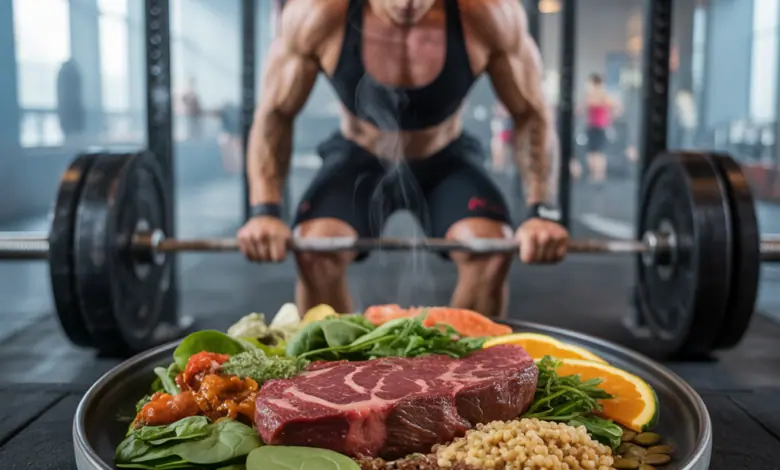
Here’s a balanced list of iron-packed choices—covering both heme (animal-based) and non-heme (plant-based) sources—so you can tailor a plan that fits your diet and training goals.
Heme Iron (Highly Bioavailable)
- Lean red meat (beef, lamb) — great after long runs for recovery
- Chicken and turkey — practical for everyday meals
- Fish and shellfish (tuna, salmon, oysters) — excellent for endurance trainees
- Organ meats (liver) — nutrient-dense option once or twice monthly
Non-Heme Iron (Plant-Based Options)
- Legumes (lentils, chickpeas, black beans)
- Tofu and tempeh — excellent for vegetarian and vegan athletes
- Dark leafy greens (spinach, Swiss chard, kale)
- Seeds and nuts (pumpkin seeds, hemp seeds, cashews)
- Iron-fortified cereals and whole grains (quinoa, oatmeal)
How to Boost Iron Absorption (Practical Tips)
Not all iron you eat ends up in your bloodstream. Here’s how to maximize absorption so your hard-earned meals do their job.
- Pair iron sources with vitamin C: citrus, bell peppers, strawberries, or a glass of orange juice with a meal increases non-heme iron uptake.
- Avoid calcium and tannins around iron meals: limit milk, cheese, and tea/coffee within one hour of iron-rich meals.
- Cook in cast-iron pans: it can increase iron content in foods, especially acidic dishes like tomato-based sauces.
- Consider spacing out high-fiber supplements: phytates in whole grains can reduce absorption—soaking, sprouting, or fermenting beans and grains helps.
Meal Ideas & Real-World Examples
Practical, athlete-friendly meals to include on training days:
- Breakfast: Iron-fortified oatmeal topped with pumpkin seeds and sliced citrus.
- Pre-long-run lunch: Turkey and spinach wrap with bell pepper slices (vitamin C boost).
- Post-ride dinner: Grilled salmon, quinoa salad with kale and chickpeas, lemon dressing.
- Vegan option: Lentil curry with sautéed spinach served over brown rice; add a squeeze of lime for vitamin C.
Example: Sarah, a marathoner who went plant-based, stabilized her hemoglobin after switching to daily lentil bowls with citrus salad and monitoring monthly blood tests—paired with planned rest weeks for recovery.
Training & Lifestyle Tips to Support Iron Status
Diet is crucial, but training and lifestyle choices also affect iron levels. Use these strategies to protect and improve iron status while maintaining performance.
Training Variations
- Include low-intensity endurance sessions to reduce mechanical hemolysis (red blood cell breakdown) caused by high-impact running.
- Alternate heavy resistance days with aerobic conditioning to maintain performance while lowering iron loss risk.
- Periodize training loads and include recovery weeks—overtraining increases inflammation and may impair iron metabolism.
Recovery & Lifestyle
- Prioritize sleep and stress management—poor sleep can affect appetite and nutrient absorption.
- Schedule regular bloodwork: monitor ferritin and hemoglobin especially if you’re symptomatic or in a high-risk group.
- Discuss supplementation with a healthcare professional before starting iron pills—excess iron can be harmful.
Frequently Asked Questions
1. How quickly can diet improve iron levels for athletes?
Dietary changes can start improving symptoms within a few weeks, but measurable increases in ferritin and hemoglobin typically take 6–12 weeks. Consistent intake of iron-rich meals combined with absorption strategies helps speed recovery.
2. Can plant-based athletes get enough iron without supplements?
Yes—plant-based athletes can meet iron needs with careful planning: include legumes, fortified grains, seeds, and vitamin C at meals, and use cooking methods that enhance absorption. Regular monitoring is recommended to ensure adequacy.
3. Should I take iron supplements if my performance is dropping?
Don’t self-prescribe supplements. Get a blood test to confirm iron deficiency or low ferritin, then follow medical guidance. Supplements are effective when needed, but dosing, timing, and form should be individualized to avoid side effects and interference with other nutrients.
Conclusion: Make Iron Part of Your Performance Plan
Iron rich foods for athletes are a foundational piece of performance nutrition. Whether you’re a competitive cyclist, weekend warrior, or transitioning to a plant-based diet, prioritizing iron through smart food choices, absorption strategies, and sensible training adjustments will help you feel stronger and recover faster. Ready to build a training and nutrition plan that supports iron and overall performance? Check out our nutrition guides for meal plans, explore workout routines tailored to recovery and endurance, and browse our wellness tips to optimize sleep and stress for better nutrient uptake.
Take action: start by adding one iron-rich meal this week and schedule a quick blood test if you’ve been feeling unusually tired. Your next PR might be just one plate away.