Ever finish a workout and feel like you ran out of gas halfway through, even though you slept well and ate breakfast? Or notice your nails breaking, hair thinning, or that your concentration slips during meetings or reps? These everyday frustrations may be more than “just fatigue”—they can be early iron deficiency symptoms that quietly sap your energy and performance.
What are iron deficiency symptoms?
Iron deficiency occurs when your body doesn’t have enough iron to make healthy red blood cells, which carry oxygen to muscles and organs. The signs can be subtle at first and gradually affect your workouts, mood, and recovery. Common symptoms include:
- Persistent tiredness and low energy, especially during exercise
- Shortness of breath or heart palpitations with light activity
- Pale skin, lips, or inner eyelids
- Cold hands and feet
- Frequent headaches or brain fog
- Brittle nails, hair loss, and slow wound healing
- Restless legs at night or unusual cravings (pica)
Less obvious signs to watch for
Sometimes low iron shows up as performance decline rather than obvious fatigue. You might notice longer recoveries, decreased VO2max, or poor endurance even after weeks of consistent training. Women with heavy menstrual bleeding, endurance athletes, vegetarians, and people with digestive issues are at higher risk.
Why iron matters for fitness and daily life
Iron is essential for hemoglobin and myoglobin—proteins that transport oxygen in blood and muscle. When iron is low, oxygen delivery drops, so your muscles and brain get less fuel. That explains why low iron can feel like hitting a wall during a run or losing focus on complex workouts.
Long-tail terms that describe this include “effects of iron deficiency on exercise performance,” “low iron and fatigue,” and “how iron affects endurance.”
How to test and diagnose low iron
If you suspect low iron, getting a blood test is the only reliable way to know. Typical lab markers include:
- Complete blood count (CBC) — checks hemoglobin and hematocrit
- Serum ferritin — indicates iron stores (the most useful early test)
- Transferrin saturation and serum iron — show transport and availability
Talk to your doctor about testing if you have persistent symptoms, especially if you’re in a high-risk group.
Practical tips to manage and prevent low iron
Small lifestyle and nutrition changes can make a big difference. Here are practical, evidence-based steps you can take today:
Nutrition: what to eat and how to absorb iron better
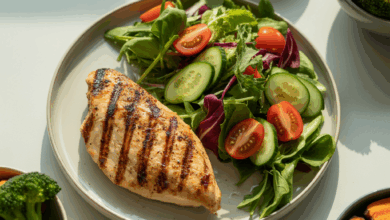
- Prioritize heme iron sources (better absorbed): beef, lamb, chicken liver, and fish.
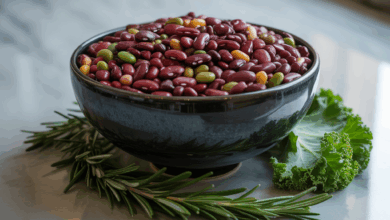
- Include plant-based iron sources for vegetarians: lentils, spinach, tofu, chickpeas, quinoa, and fortified cereals.
- Pair non-heme iron with vitamin C (citrus, bell peppers, strawberries) to boost absorption.
- Avoid drinking coffee or tea with meals; calcium-rich foods and supplements can reduce iron uptake if taken together.
- Consider an iron supplement only after testing and under medical advice—dosage and formulation matter for absorption and side effects.
Lifestyle and training adjustments
Adapt your workouts when energy is low rather than pushing through poor recoveries, which can lead to injury or overtraining:
- Schedule low-impact sessions: brisk walks, cycling, or swimming to keep aerobic base without excessive strain.
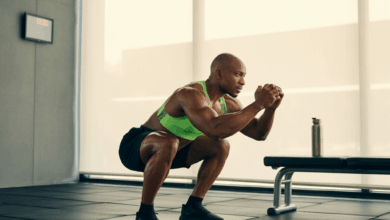
- Prioritize strength training twice a week to preserve muscle mass—compound moves like squats and rows at moderate loads maintain function without requiring max effort.
- Use interval training sparingly—short, high-intensity intervals (6–8 reps or 10–20 seconds) on low-energy days, instead of long tempo efforts.
- Focus on sleep, stress management, and consistent meals to support recovery and iron metabolism.
Workout variations for low-energy days
- Active recovery: 30–45 minute walk + mobility work
- Tempo strength: 3 sets of 8–10 slow, controlled lifts with lighter weight
- Short HIIT micro-sessions: 10–12 minutes total (4 x 30s hard, 90s easy)
- Yoga or Pilates to reduce stress and improve circulation
When to see a doctor
Seek medical attention if you experience severe breathlessness, chest pain, dizziness, fainting, or if you have prolonged heavy menstrual bleeding. If blood tests confirm iron deficiency anemia, your clinician can recommend treatment—dietary changes, oral iron supplements, or in some cases, intravenous iron.
Frequently Asked Questions
1. What is the difference between iron deficiency and iron deficiency anemia?
Iron deficiency means your iron stores are low (often measured by ferritin). Iron deficiency anemia is when that low iron causes reduced hemoglobin and red blood cell counts, leading to more obvious symptoms like extreme fatigue and shortness of breath.
2. Can exercise cause low iron?
Intense training, especially in endurance sports, can increase iron loss through sweat, gastrointestinal bleeding, or red blood cell damage. Female athletes with heavy periods are also at higher risk. Monitoring and proper fueling can prevent a decline in iron status.
3. How long does it take to fix low iron?
After starting appropriate treatment, symptoms often improve within a few weeks, but restoring iron stores can take several months. Your doctor will usually recheck ferritin and hemoglobin to guide treatment duration.
Real-world example
Case: Sarah, a 32-year-old recreational runner, noticed slower race times and hair thinning. After testing, her ferritin was low. Her plan combined a short course of oral iron prescribed by her doctor, a daily vitamin-C-rich smoothie with breakfast, and adjusted training—replacing one long run with a moderate cycle session. Within 8–12 weeks she regained energy, her workouts felt stronger, and her hair stopped shedding as much.
Conclusion: Don’t ignore iron deficiency symptoms—take action
Iron deficiency symptoms can quietly derail your fitness and daily life, but they are manageable once identified. If you relate to the signs above, get a blood test, adjust your diet toward iron-rich foods, and adapt your training while you recover. For tailored workout modifications, check our workout routines and if you want meal plans and food swaps, see our nutrition guides. For ongoing healthy habits, explore our wellness tips.
Ready to stop guessing and start fixing your energy? Book a check-up with your healthcare provider and use the small training and nutrition steps here to speed recovery—because low iron shouldn’t hold you back from your goals.
For more workout variations suitable for low-energy days, check out Hiit Swim Workout.