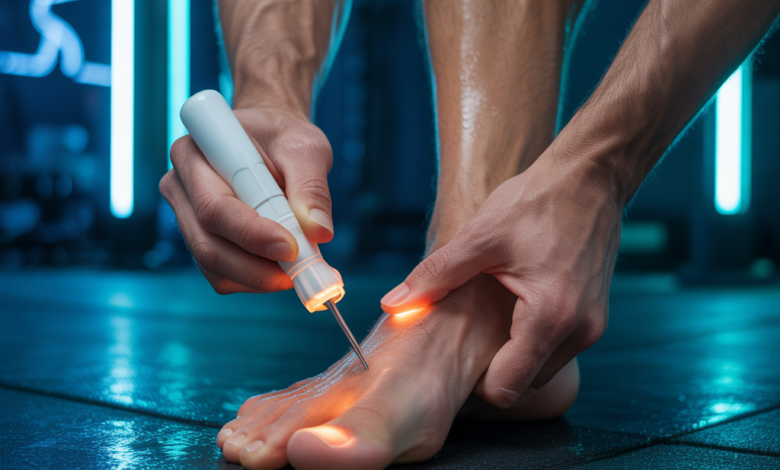
Ever winced while slipping on your sneakers because one toe felt like it was being squeezed from the inside? Whether you’re training for a 5K, teaching spin class, or just trying to stay active, an irritated toenail can put your routine on pause. The good news: practical, safe ingrown toenail remedies and foot-care habits can get you back on your feet faster.
Why ingrown toenails happen (and why they matter)
Ingrown toenails develop when the nail edge grows into the surrounding skin, causing pain, redness, and sometimes infection. Contributing factors include tight shoes, improper trimming, repeated trauma from sports, genetics, and poor foot hygiene. Left untreated, a simple ingrown nail can become a serious infection—especially for people with diabetes or poor circulation.
Top ingrown toenail remedies you can try at home
These at-home treatments are safe for most healthy adults and often relieve pain within a few days. If you see spreading redness, pus, fever, or have diabetes, contact a healthcare provider immediately.
1. Warm soak with Epsom salt or mild soap
Soak the affected foot for 15–20 minutes, 2–3 times a day. Warm water reduces swelling and softens the skin so the nail edge can be eased away gently. Add Epsom salt or a mild antibacterial soap to the soak.
2. Gentle lifting and padding
After soaking, you can try to gently lift the ingrown edge with a clean cotton swab and place a small bit of sterile cotton or waxed dental floss under the nail to encourage it to grow above the skin. Change the padding daily.
3. Proper trimming technique
Cut nails straight across—avoid rounding the corners. Use clean, sharp nail clippers and do not cut too short. Trimming correctly prevents recurrence and reduces downward pressure on the nail bed.
4. Topical care and protection
- Apply an antibiotic ointment if the skin is broken, then cover with a bandage.
- Wear open-toed or roomy shoes until the toe improves.
- If pain is significant, over-the-counter pain relievers can help for a short time.
When home remedies aren’t enough: medical and minor surgical options
If the toenail is deeply embedded, chronically recurrent, or infected, a podiatrist may perform a minor procedure. Options include partial nail removal or chemical matrixectomy to prevent regrowth of the problematic nail edge. These are quick office procedures with effective, lasting results in many cases.
Foot-care habits to prevent ingrown nails
Prevention is the best remedy. Adopt these daily habits to lower your risk:
- Trim nails straight across and keep them a comfortable length.
- Choose shoes with a roomy toe box and proper arch support.
- Replace worn-out athletic shoes—old shoes can cause repetitive toe trauma.
- Maintain good hygiene and dry between toes after showers.
- See a podiatrist for recurring problems or if you have circulation issues or diabetes.
Fitness tips and workout variations that protect your toes
Keeping active doesn’t mean risking foot problems. Here are practical workout and lifestyle adjustments that help prevent ingrown toenails while keeping you fit.
Choose low-impact cardio on heavy training days
Swap long downhill runs for cycling, swimming, or elliptical sessions to reduce repeated toe trauma. If you’re prepping for a race, mix in cross-training days to give your toes a break.
Strengthen and mobilize your feet
Simple exercises can improve toe alignment and reduce pressure:
- Toe curls with a towel (3 sets of 10) to strengthen flexors.
- Marble pickups—use toes to pick up small objects to increase dexterity.
- Toe-spread and hold: actively spread toes for 10–20 seconds, 10 reps.
Try footwear and training tweaks
Use shoes with a wider toe box or buy a half-size larger if you trail run downhill or sprint frequently. Consider toe spacers during recovery runs or while at home to reduce pressure on nail edges. If you use orthotics, get a fit that relieves forefoot pressure—minor changes can make a big difference.
Real-world examples: what worked for others
Case 1: A weekend warrior with a painful toe found relief by switching to a roomier running shoe and soaking daily; regular straight-across trimming prevented recurrence.
Case 2: A yoga instructor who frequently wore tight dance shoes used toe separators during recovery and added toe mobility drills to her warm-ups; she avoided surgery after three months.
Healthy lifestyle advice for stronger nails and healthier feet
Strong nails and healthy skin reduce the risk of ingrown nails. Focus on:
- Balanced diet with protein, biotin-rich foods (eggs, nuts), and minerals like zinc and iron.
- Maintaining a healthy weight to reduce pressure on feet.
- Managing chronic conditions—good blood sugar control and circulation support healing.
Frequently Asked Questions
Q1: How long do home ingrown toenail remedies take to work?
A: Mild cases often improve within a few days to two weeks with consistent soaking, proper trimming, and padding. If symptoms worsen or don’t improve, seek medical attention.
Q2: Can I exercise with an ingrown toenail?
A: Light exercise is usually okay if pain is manageable and you protect the toe with padding and roomy shoes. Avoid high-impact or uphill/downhill sessions that aggravate the toe until it heals.
Q3: When should I see a podiatrist for an ingrown nail?
A: See a professional if there is significant pain, visible pus, spreading redness, recurrent ingrown nails, or if you have diabetes, peripheral neuropathy, or poor circulation.
Conclusion: Act now to soothe pain and prevent recurrence
Ingrown toenail remedies range from simple home care—soaks, proper trimming, roomy shoes—to medical options when needed. Combine immediate fixes with preventive foot care, strength work for your feet, and sensible footwear choices to stay active with less downtime. If you’re unsure about the best approach or have a high risk of complications, consult a podiatrist.
Ready to protect your feet and keep training? Check out our workout routines for low-impact options, browse our nutrition guides to support nail health, and explore more wellness tips to stay injury-free. If this article helped, try one of the foot-strengthening exercises today and share your progress.