How to Stock Pantry: The Fitness-Friendly Guide to Pantry Essentials

Ever opened your kitchen and thought, “There’s nothing to eat that fits my goals”? You’re not alone. Whether you’re squeezing in a quick morning workout or prepping meals for a busy week, knowing how to stock pantry items that support performance, recovery, and healthy eating saves time, money, and willpower.
Why a Smart Pantry Matters for Fitness
A well-stocked pantry is the silent workout partner you never knew you needed. It streamlines meal prep, helps with portion control, and reduces reliance on processed convenience foods. When your kitchen is stocked with nutrient-dense staples, hitting your macros and fueling workouts becomes simple and sustainable.
Pantry Basics: What to Buy First
Start with a core list of versatile, shelf-stable items that form the foundation of healthy meals. Aim for whole-food ingredients that can be mixed and matched into breakfasts, lunches, dinners, and snacks.
Grains & Carbohydrates
- Rolled oats — great for overnight oats or morning porridge.
- Quinoa, brown rice, or farro — batch-cook for bowls and sides.
- Whole-wheat pasta or legume-based pasta for variety.
Proteins (Shelf-Stable)
- Canned tuna, salmon, or sardines — quick post-workout protein.
- Dry or canned beans (chickpeas, black beans, lentils) — versatile and budget-friendly.
- Protein powder (whey or plant-based) — for shakes and baked goods.
Healthy Fats & Extras
- Extra-virgin olive oil and avocado oil.
- Nuts and seeds (almonds, walnuts, chia, flaxseed).
- Nut butters — natural peanut or almond butter for snacks and smoothies.
Flavor Builders & Shelf-Stable Produce
- Low-sodium broths, canned tomatoes, vinegars, and soy sauce.
- Garlic powder, dried herbs, and spices for quick seasoning.
- Frozen fruits and vegetables — as nutrient-dense as fresh and longer-lasting.
How to Stock Pantry for Meal Prep and Performance
Stocking your pantry with fitness goals in mind means planning for pre-workout energy, post-workout recovery, and balanced meals. Here’s a practical framework:
1. Plan by Purpose
Create categories such as “Quick Breakfasts,” “Pre-Workout Snacks,” “Post-Workout Meals,” and “One-Pot Dinners.” This helps you buy intentionally and avoid impulse purchases.
2. Batch Cook & Portion
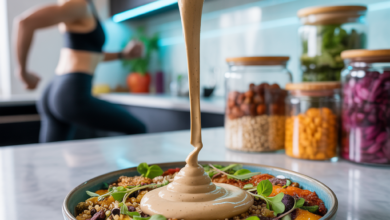
Cook grains, beans, and lean proteins on Sunday. Portion into containers for easy grabs after workouts. Real-world example: cook a big pot of quinoa and roasted chickpeas—use them for salads, wraps, and power bowls all week.
3. Keep Quick Fuel on Hand
For morning sessions or lunchtime lifts, have quick options ready: a banana with natural peanut butter, a smoothie with protein powder and frozen berries, or whole-grain toast and canned salmon.
Storage Tips & Rotation Strategy
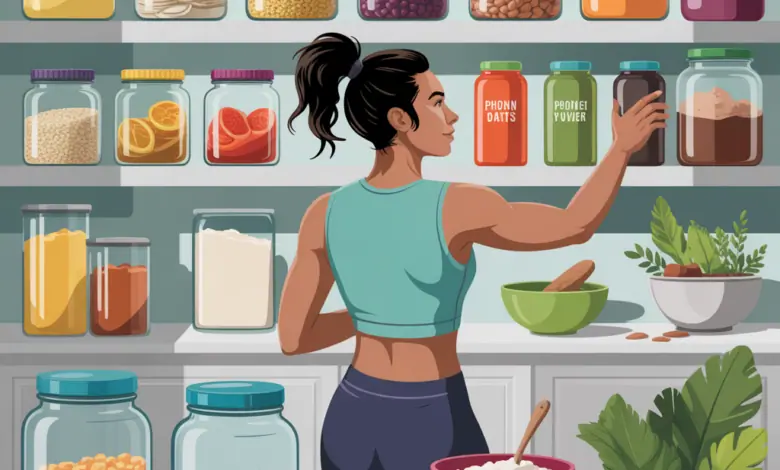
Rotate items front-to-back so older goods get used first. Label containers with purchase or cook dates. Use clear jars for staples like oats and rice to quickly see when you’re running low. Frozen portions labeled with contents and date keep meal prep efficient.
Meal Ideas That Use Pantry Staples
Here are three practical meal examples that combine pantry staples into balanced dishes:
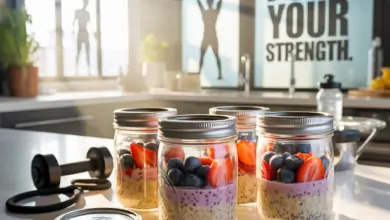
- Overnight oats with chia seed, protein powder, and frozen berries — quick, carb-plus-protein breakfast to fuel morning workouts.
- Quinoa bowl: quinoa + canned tuna + mixed frozen veggies + olive oil + lemon — balanced macro meal in 10 minutes.
- Chickpea curry: canned chickpeas + canned tomatoes + spices + coconut milk (or broth) served over brown rice — hearty, fiber-rich dinner.
Practical Fitness Tips & Workout Variations
Your pantry supports not just meals but training consistency. Here are fitness-focused strategies that pair with your stocked kitchen:
Pre-Workout Snacks
- 30–60 minutes before: rice cakes with banana and a smear of nut butter.
- 60–90 minutes before: oatmeal with a scoop of protein and some fruit.
Post-Workout Recovery
- Within 30–60 minutes: a shake (protein powder + frozen fruit + almond milk) or canned salmon on whole-grain toast.
- Include 20–30g of protein and some carbs to replenish glycogen and support muscle repair.
Quick Home Workout Variations
Short on time? Try these 20–30 minute sessions that pair well with quick pantry-fueled meals:
- High-intensity interval training (HIIT): 30s on/30s off bodyweight circuits (squats, push-ups, plank jacks).
- Strength circuit: 3 rounds of goblet squats, bent-over rows (with dumbbells or canned goods), and lunges.
- Mobility + core day: 20 minutes of dynamic stretches and core work (dead bugs, side planks, bird-dogs).
Shopping Checklist: Pantry Essentials for Beginners
Print or save this checklist to guide your next grocery trip:
- Rolled oats, brown rice, quinoa
- Dry or canned beans, canned fish
- Nuts, seeds, nut butter
- Olive oil, vinegars, spices
- Frozen fruits and vegetables
- Protein powder, low-sodium broths, canned tomatoes
Frequently Asked Questions
Q: How often should I restock my pantry?
A: Aim for a quick inventory every week and a larger restock every 2–3 weeks. Freshness and usage vary by household—rotate items and mark dates to avoid waste.
Q: Can I keep fitness-friendly meals with mostly pantry items?
A: Absolutely. Combining canned proteins, whole grains, frozen veggies, and healthy fats creates balanced meals that support energy, recovery, and weight management.
Q: What are pantry staples for weight loss?
A: Focus on high-fiber and high-protein items: legumes, oats, brown rice, canned fish, nuts (in moderation), seeds, and plenty of herbs/spices to flavor meals without extra calories.
Conclusion: Start Small — Stock Smart
Knowing how to stock pantry with fitness-friendly staples transforms daily choices. Start with the basics, plan meals around workouts, and use batch cooking to stay consistent. Your pantry can be the foundation of better energy, performance, and health—one labeled jar at a time.
Ready to take action? Make a shopping list from the checklist above, set aside 60–90 minutes for batch-cooking this weekend, and try a 20-minute HIIT session after breakfast. For more guidance on pairing meals with workouts, check out our workout routines, explore balanced meal options in our nutrition guides, and get lifestyle tips in our wellness tips section. Start stocking smarter today.