Ever finished a tough workout and craved something bright, refreshing, and a little celebratory—but not heavy or sugary? What if you could make a small-batch, homemade digestif that tastes like a summer evening in Italy and still fits into a balanced lifestyle? In this post, I’ll show you how to make limoncello at home step-by-step, with fitness-friendly variations, serving ideas, and tips on enjoying it responsibly.
Why Make Limoncello at Home (and Why It Appeals to Fitness Fans)
Homemade limoncello is simple, customizable, and uses real ingredients—fresh lemons, alcohol, and a sweetener you control. For health-conscious readers, that means you can reduce sugar, use organic fruit, and choose the alcohol base that best fits your preferences. The bright citrus also pairs well with light post-workout meals or a mindful unwind after an evening run.
What You’ll Need: Ingredients and Tools
- 10–12 organic lemons (preferably unwaxed)
- 750 ml high-proof neutral spirit (vodka 40% works; 90–95% grain alcohol like Everclear will extract faster)
- 2 cups water
- 1 to 1 1/2 cups sugar (or 3/4 cup honey/agave for lower refined sugar)
- Large glass jar with lid (1–2 L)
- Fine mesh strainer or coffee filter, funnel, and bottles for storage
Step-by-Step: How to Make Limoncello
1. Prep the Lemons
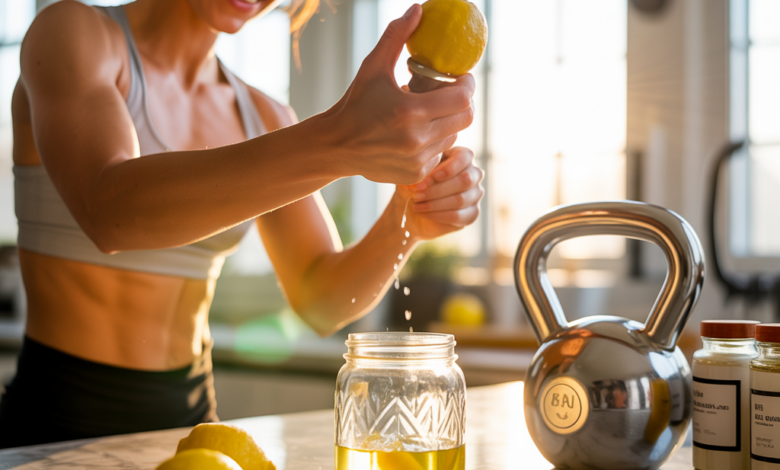
Wash lemons well. Using a vegetable peeler or microplane, remove only the yellow zest—avoid the bitter white pith. The oils in the zest are what give limoncello its signature aroma and flavor.
2. Macerate the Zest in Alcohol
Place the lemon peels in your jar and pour in the alcohol until the peels are fully covered. Seal the jar and store it in a cool, dark place. Shake gently every few days. Infusion time varies:
- High-proof spirit (90–95%): 7–10 days for strong, bright flavor.
- Vodka (40%): 2–4 weeks for a mellow extraction.
3. Make the Simple Syrup
When the infusion reaches your preferred intensity, combine water and sugar in a saucepan and heat until sugar dissolves. Cool to room temperature. For a lower-sugar option, use 3/4 cup honey or a mix of honey and sugar and reduce water slightly.
4. Combine, Rest, and Bottle
Strain the alcohol through a fine mesh or coffee filter to remove zest. Mix the infused alcohol with the cooled syrup, taste, and adjust sweetness. Bottle the limoncello and let it rest in the fridge or freezer for at least a week to mellow and clarify. Limoncello is best chilled and served cold in small glasses.
Fitness-Friendly Variations and Healthy Swaps
There are several ways to tailor your limoncello to a health-focused lifestyle:
- Lower sugar: Reduce syrup or use natural sweeteners (honey, agave, or stevia blends).
- Light spritz: Mix 1 part limoncello with 3–4 parts sparkling water and ice for a refreshing, lower-alcohol cocktail.
- Herbal twist: Add rosemary or basil during the last few days of infusion for a botanical note and potential antioxidant boost.
How to Serve Limoncello (and Keep It Balanced)
Serve limoncello as a chilled 1 oz digestif after a hearty dinner or use sparingly in cocktails. For fitness-minded people, try:
- Post-workout mindful treat: One small chilled shot (30–45 ml) with a protein-rich snack to support recovery.
- Dessert pairing: Use a tablespoon in Greek yogurt with fresh berries instead of syrupy dessert sauces.
- Low-calorie spritz: Limoncello with seltzer and fresh mint for a lighter option during social gatherings.
Real-World Examples: When to Make and Enjoy
Imagine finishing a Saturday morning long run. You make a small limoncello spritz with sparkling water and a squeeze of lemon—refreshing, celebratory, and not overly sweet. Or after a family dinner, you serve tiny chilled shots as a thoughtful digestif to signal the end of the meal without piling on dessert calories.
Safety and Recovery: Alcohol and Exercise
Alcohol can interfere with muscle protein synthesis and recovery if consumed in excess. If you train hard, keep limoncello to an occasional small portion, avoid drinking immediately after an intense resistance session, and prioritize hydration and protein intake. For guidance on balancing alcohol and training, check out our wellness tips and nutrition guides.
Storage, Shelf Life, and Troubleshooting
Store limoncello in the freezer or fridge. Properly made and bottled, it will keep for many months in the freezer (alcohol prevents freezing solid). If your limoncello is cloudy, allow it to rest longer or filter again—this is normal with homemade batches. If it smells off, discard it.
How to Make Limoncello: Quick Troubleshooting Tips
- Bitter taste: You likely included some pith. For the next batch, pare zest thinner.
- Too strong or too weak: Adjust infusion time or mix with more/less syrup.
- Cloudiness: Filter through a coffee filter and give it time to settle.
Frequently Asked Questions
1. How long does homemade limoncello last?
Stored in the freezer, limoncello can last many months to a year. Refrigerated, it will keep for several months. High alcohol content and proper bottling help preserve it.
2. Can I use bottled lemon juice or dried peel?
No—bottled juice won’t give you the aromatic oils found in fresh zest, and dried peel lacks the same vibrant flavor. Use fresh, unwaxed lemons for the best results.
3. Is there a low-sugar limoncello recipe?
Yes. Reduce the sugar in the syrup, use natural sweeteners like honey or stevia blends, or dilute limoncello with sparkling water to lower per-serving sugar and calorie content.
Conclusion: Make a Batch, Keep It Balanced
Learning how to make limoncello is a rewarding, hands-on way to enjoy a bright, homemade liqueur that you can tailor to a healthy lifestyle. Whether you prefer the traditional full-sugar approach or a lighter, fitness-friendly version, small-batch limoncello can be a sophisticated treat after a good workout or a pleasant evening ritual. Ready to try it? Make a batch this weekend, then share your results and favorite workout-recovery pairings. For more recipes and healthy habits, explore our workout routines and wellness tips.
Call to action: If you make limoncello, tag your post-workout spritz moment or share a photo of your bottles on our community page and tell us which fitness-friendly variation you chose—low-sugar, herbal, or classic?