Ever stood in front of the mirror wanting to drop body fat but also craving more shape and strength? You’re not alone. Many people wonder if it’s possible to lose weight and gain muscle at the same time — spoiler: it is, with the right plan. This guide breaks down simple, sustainable steps so you can get leaner, stronger, and more confident without guessing what works.
The science behind losing fat and building muscle
“Body recomposition” — reducing fat while increasing lean muscle — is a realistic goal, especially for beginners, returning exercisers, or those who make smart adjustments to training and nutrition. The key is balancing energy intake, progressive strength training, and recovery to tip the scales toward fat loss and muscle synthesis.
Calories and macros: energy balance matters
To lose fat you generally need a calorie deficit; to build muscle you need sufficient nutrients and training stimulus. A slight calorie deficit or maintenance calories paired with higher protein intake often works best for recomposition. Aim for 0.7–1.0 grams of protein per pound of bodyweight, and distribute the rest of calories between healthy carbs and fats.
Progressive overload and effective training
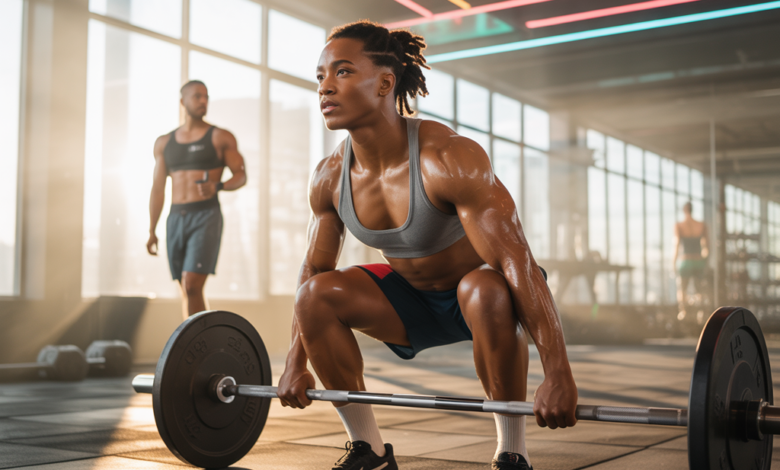
Muscle growth responds to progressive overload: gradually increasing weight, reps, or training density. Strength-focused workouts (compound lifts like squats, deadlifts, presses, and rows) deliver the strongest stimulus for hypertrophy and metabolic boost, helping you burn fat while building muscle.
A practical plan: training, cardio, and workout variations
Design a routine that prioritizes strength while including metabolic work. Here’s a simple blueprint for most people.
- Strength training (3–4x/week): Full-body sessions focused on compounds. Example: Squat, bench/press, hinge, pull, and a core exercise.
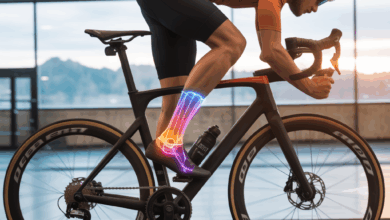
- Cardio (2–3x/week optional): Mix steady-state (30–45 minutes) and HIIT (10–20 minutes) to aid fat loss without killing recovery.
- Accessory work: Add unilateral moves, face pulls, or hamstring curls to balance muscles and reduce injury risk.
Sample beginner split
- Day 1: Full-body — Squat 3×6–8, Bench 3×6–8, Row 3×8–10
- Day 2: Rest or light cardio
- Day 3: Full-body — Deadlift 3×4–6, Overhead Press 3×6–8, Pull-ups 3xMax
- Day 4: Active recovery (walk, yoga)
- Day 5: Full-body — Lunges 3×8, Incline Press 3×8, Romanian Deadlift 3×8
For more structured programs and exercise progressions, check out our workout routines page.
Nutrition strategies for fat loss and muscle gain
Food is the foundation. These nutrition tactics are designed for people who want to lose weight and build muscle without extreme dieting.
Prioritize protein
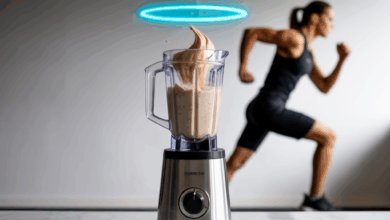
Protein supports muscle repair and preserves lean mass during a calorie deficit. Spread protein evenly across meals — think eggs or Greek yogurt for breakfast, lean meats or plant proteins for lunch and dinner, and snacks like cottage cheese or protein shakes.
Use calorie cycling or small deficits
Full-on cutting isn’t always necessary. Try a modest 200–400 calorie deficit on most days and eat at maintenance or slightly higher on training days to support performance and recovery. This calorie cycling technique helps drive fat loss while fueling muscle growth on heavy training days.
Choose nutrient-dense foods
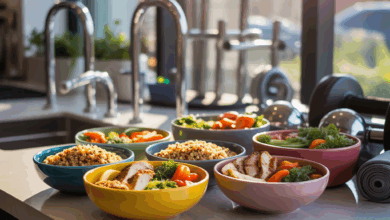
Focus on whole foods: vegetables, fruits, whole grains, lean proteins, healthy fats, and legumes. These provide micronutrients and fiber that support metabolism and satiety, making it easier to stick to the plan.
For meal templates, portion ideas, and sample meal plans, see our nutrition guides.
Lifestyle habits that accelerate results
Your training and diet are 80% of the equation, but sleep, stress, and daily activity make a big difference in how quickly you see progress.
- Sleep: Aim for 7–9 hours. Poor sleep reduces recovery and appetite regulation.
- Manage stress: Chronic stress raises cortisol and can slow fat loss. Use breathing, walking, or hobbies to decompress.
- Increase NEAT: Non-exercise activity thermogenesis — walking, standing, taking stairs — adds up. Try a daily step goal or short walking breaks.
- Smart supplementation: Protein powder, creatine monohydrate, and a daily multivitamin can support performance and recovery but aren’t substitutes for real food.
Real-world example
Meet Sarah, a 34-year-old teacher. She combined three weekly strength sessions, two short HIIT workouts, and a 300-calorie daily deficit while boosting protein to 120g/day. Over 16 weeks she lost 12 lbs of body fat and gained 4 lbs of muscle — her clothes fit better, and her lifts increased by 20–30%. Small, consistent changes beat extreme measures.
How to lose weight and gain muscle — common mistakes to avoid
Avoid these pitfalls to speed progress:
- Doing endless cardio while neglecting strength training — leads to muscle loss.
- Severe calorie restriction — impairs recovery and hormone balance.
- Ignoring progressive overload — without increasing stimulus, muscles won’t grow.
- Poor sleep and high stress — hamper recovery and appetite control.
- Expecting instant results — recomposition takes weeks to months; track trends, not daily scale fluctuations.
Frequently Asked Questions
1. Can I really lose fat and build muscle at the same time?
Yes. It’s most achievable for beginners, people returning after a break, or those who haven’t trained intensely before. Experienced lifters can still recomposition, but progress is slower and often requires tighter control of training and nutrition.
2. How much protein should I eat to build muscle while losing weight?
Aim for roughly 0.7–1.0 grams of protein per pound of bodyweight per day. Higher protein supports muscle repair, satiety, and metabolic rate during a calorie deficit.
3. Should I do cardio if my goal is to gain muscle and lose weight?
Yes, but balance it. Include cardio to help create a calorie deficit and improve cardiovascular health, but don’t overdo it. Prioritize strength training and use 2–3 weekly cardio sessions (mix of steady-state and HIIT) to support fat loss without compromising recovery.
Conclusion: Take action and track progress
Learning how to lose weight and gain muscle is about smart habits: prioritize strength training, eat enough protein, use modest calorie adjustments, and recover well. Start with a realistic plan, track your workouts and nutrition, and reassess every 4–8 weeks. Ready to build a routine that fits your life? Explore our workout routines, review our nutrition guides, and check out our wellness tips to get started today.
For those seeking to gain weight, you might also find our article on Workout Tips to Gain Weight helpful.
For those interested in gaining weight, you might also find our article on Workout Tips to Gain Weight useful.
For more detailed information on diet and workout strategies, check out our guide on Diet and Workout Tips.
For those looking for alternative workouts that can help with weight loss and muscle gain, consider checking out the Hiit Swim Workout