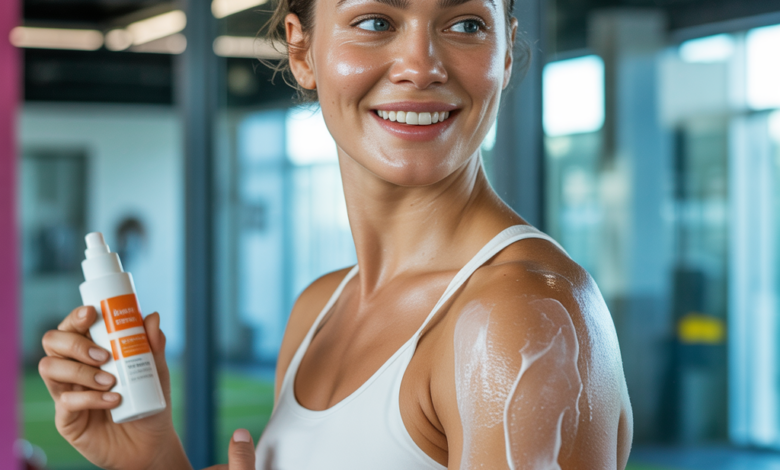
Ever glanced in the mirror and wondered when those flat, brown spots showed up? If you’ve asked yourself “how to get rid of age spots,” you’re not alone. Whether they’re called liver spots, sun spots, or simply hyperpigmentation, age spots are a common skin concern—and the good news is that many strategies can reduce their appearance while improving your overall skin health.
Understanding Age Spots: What They Are and Why They Appear
Age spots are small, darkened patches of skin caused by excess melanin production. The most common triggers are cumulative sun exposure and UV damage, but genetics, hormonal changes, and certain medications can contribute. They usually appear on sun-exposed areas: face, hands, shoulders, and arms.
Key terms to know
- Hyperpigmentation – umbrella term for darkened skin areas.
- Sun spots / liver spots – informal names for age spots.
- Melanin – pigment that gives skin its color; overproduction causes spots.
How to Get Rid of Age Spots: A Step-by-Step Approach
Reducing age spots often requires a layered approach: daily sun protection, targeted topical treatments, in-office procedures when needed, and lifestyle adjustments. Below are evidence-backed steps you can start today.
1. Daily sun protection (non-negotiable)
- Use broad-spectrum sunscreen with at least SPF 30 every morning—even on cloudy days.
- Wear protective clothing, wide-brim hats, and UV-blocking sunglasses.
- Avoid peak sun hours (10 AM–4 PM) for intense outdoor workouts; opt for early morning or late afternoon.
2. Topical treatments that work
- Vitamin C serums: brightening antioxidant that evens tone and supports collagen.
- Retinoids (retinol or prescription tretinoin): speed cell turnover and fade spots over months.
- Alpha hydroxy acids (AHAs) and glycolic acid: chemical exfoliation to remove pigmented surface cells.
- Hydroquinone and other prescription depigmenting agents: effective for stubborn spots—use under medical supervision.
3. Professional procedures for faster results
If at-home care isn’t enough, dermatologists offer treatments such as chemical peels, microdermabrasion, cryotherapy, intense pulsed light (IPL), and fractional lasers. These can significantly reduce sun spots but may require downtime and several sessions. Always consult a board-certified dermatologist to pick the safest option for your skin type.
Skin-Friendly Fitness Tips That Help Your Skin and Spot Prevention
Your fitness routine affects your skin more than you might think. Exercise boosts circulation and helps deliver nutrients and oxygen to the skin, supporting repair. But certain habits matter when managing age spots.
Workout variations and sun-smart scheduling
- Outdoor cardio: choose early morning or evening runs to limit UV exposure. Wear SPF and a hat.
- HIIT & strength training: short, intense indoor sessions reduce sun exposure and increase growth factors that support skin renewal.
- Low-impact options: cycling indoors, rowing, or pool workouts are great for joint-friendly conditioning without sun risk.
- Yoga and mobility work: reduce stress (which can affect skin), improve posture, and aid recovery.
Example: My client Sarah swapped her noon 60-minute runs for 30-minute early-morning HIIT sessions and noticed fewer sunburns—and over months, fewer new sun spots. Small routine tweaks add up.
Nutrition & Lifestyle: What to Eat and Avoid for Healthier Skin
Diet and daily habits play a huge role in skin health and pigmentation control.
Eat for bright, resilient skin
- Antioxidant-rich foods: berries, leafy greens, nuts, and colorful vegetables help neutralize free radicals from UV exposure.
- Omega-3s: fatty fish, flaxseed, and walnuts reduce inflammation and support skin barrier function.
- Vitamin C and E: support collagen and aid in fading discoloration—citrus, bell peppers, almonds.
- Hydration: drink enough water to maintain skin moisture and elasticity.
Lifestyle habits that matter
- Quit smoking and limit alcohol—both accelerate skin aging and uneven pigmentation.
- Prioritize sleep—repair and regeneration happen during deep sleep cycles.
- Manage stress—chronic stress can worsen hormonal imbalances tied to pigmentation.
Real-World Examples: What Works and What to Expect
Reducing age spots takes consistency. Over-the-counter products like vitamin C serums and SPF can show improvements in 8–12 weeks. Prescription retinoids or chemical peels may show faster, more dramatic results in 4–12 weeks depending on strength and treatment frequency. In-office laser or IPL treatments often require 2–4 sessions spaced weeks apart, with visible reduction after the first session but full results later.
Tip: Track progress with photos under similar lighting every 4–6 weeks—small changes add up and help you stay motivated.
Frequently Asked Questions
1. Can age spots be removed naturally at home?
Some natural remedies—like topical vitamin C, niacinamide, and gentle exfoliation—can help fade spots over time. However, “natural” treatments are slower and less potent than clinical options. For stubborn or rapidly changing spots, see a dermatologist.
2. Will sunscreen alone get rid of age spots?
No—sunscreen prevents new spots and protects treatments from worsening, but it won’t fully remove existing pigmentation. Combine sunscreen with exfoliation, brightening serums, or professional treatments for best results.
3. Are laser treatments safe for all skin tones?
Some lasers carry a higher risk of causing pigment changes in darker skin tones. A qualified dermatologist will select devices and settings appropriate for your skin type, or recommend alternative approaches like chemical peels or topical therapies.
Putting It All Together: Your Action Plan
Here’s a practical 30-day plan to start fading age spots and preventing new ones:
- Daily: Apply broad-spectrum SPF 30+ each morning and reapply during prolonged sun exposure.
- Evening: Use a gentle retinoid (start low frequency) and a vitamin C serum in the morning.
- Weekly: Add a glycolic acid or AHA exfoliant 1–2 times to accelerate cell turnover.
- Exercise: Do 3–4 varied workouts weekly—mix indoor strength training, HIIT, and low-impact cardio; schedule outdoor sessions when UV is lowest.
- Nutrition: Increase antioxidant-rich foods and omega-3s; hydrate and prioritize sleep.
- Professional check: If spots are stubborn after 3 months, book a dermatologist consult for targeted treatments.
Want more detailed plans? Check out our workout routines for skin-friendly training, explore recipes in our nutrition guides, and use daily habits from our wellness tips to maximize results.
Conclusion: How to Get Rid of Age Spots—and Keep Them Away
How to get rid of age spots isn’t a one-step fix. Combine consistent sun protection, targeted topical care, healthy lifestyle choices, and appropriate professional treatments to see real improvement. Start with simple daily changes—sunscreen, a vitamin C serum, and a skin-smart workout schedule—and build up to stronger interventions if needed. Your skin will thank you.
Ready to take action? Start today: apply SPF, schedule your morning workouts safely, and pick one targeted skincare product to use consistently for the next 8–12 weeks. If you’d like personalized guidance, leave a comment or sign up for tailored coaching to meet your skin and fitness goals.