Have you ever watched the clock tick past midnight, counted sheep, scrolled your phone, and still wondered why sleep refuses to come? If the familiar frustration of lying awake runs through your nights, you’re not alone. Learning how to fall asleep quickly and naturally is one of the best gifts you can give your body and mind — and it’s often more achievable than you think.
Why sleep matters: more than rest
Quality sleep improves mood, athletic performance, memory, metabolism, and recovery. Poor sleep adds stress, reduces motivation, and undermines progress in the gym and at work. That’s why a practical, sustainable plan for getting to sleep — and staying asleep — is essential for anyone serious about health and fitness.
How to fall asleep: proven strategies that actually work
Below are practical, research-backed tactics to help you get to sleep quicker and improve overall sleep quality. Pick a few that fit your life and make them nightly habits.
Create a sleep-friendly environment
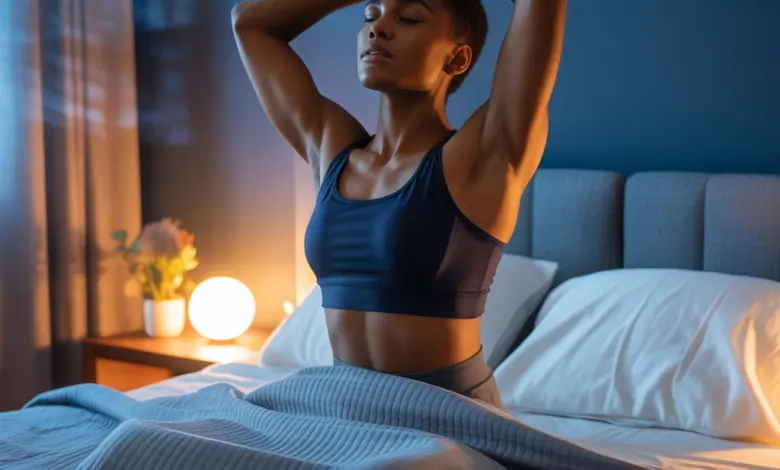
- Darkness: Use blackout curtains or an eye mask. Dim lights an hour before bed to cue melatonin release.
- Cool temperature: Aim for 60–68°F (15–20°C). A slightly cool room helps your body temperature drop, which promotes sleep.
- Quiet: Reduce noise or use white noise/sleep sounds if needed.
- Comfortable bedding: Invest in a mattress and pillows that support your sleep style.
Build a consistent sleep schedule
- Go to bed and wake up at the same time every day — even on weekends. Consistency trains your circadian rhythm and makes it easier to fall asleep fast.
- If you nap, limit naps to 20–30 minutes and avoid late-afternoon naps that can interfere with nighttime sleep.
Evening workouts and movement for better sleep
Exercise is one of the most effective ways to improve sleep quality, but timing matters. Here are practical fitness tips and workout variations that help rather than hinder sleep:
- Morning or afternoon cardio: Moderate-intensity cardio (30–45 minutes) in the morning or early afternoon boosts sleep drive at night.
- Strength training: Resistance workouts 3–4 times per week help regulate hormones and enhance deep sleep. Aim for sessions at least 2–3 hours before bed.
- Evening mobility and gentle yoga: If you want to move in the evening, choose restorative yoga, stretching, or a light mobility circuit. These lower arousal and prime the parasympathetic nervous system for sleep.
- Quick workout ideas:
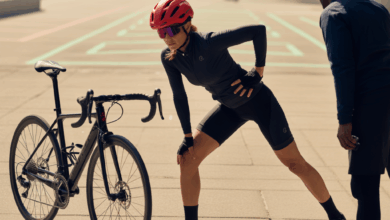
- 20-minute brisk walk or easy bike ride (afternoon)
- 30-minute full-body strength session (early evening)
- 15-minute yin yoga or foam rolling close to bedtime
For detailed plans, check our workout routines page to find variations that fit your schedule and fitness level.
Relaxation techniques to fall asleep fast
- 4-7-8 breathing: Inhale 4 seconds, hold 7, exhale 8 — repeat 4 cycles to calm the nervous system.
- Progressive muscle relaxation: Tense and release muscle groups from toes to head to reduce physical tension.
- Guided meditation or body scan: Use a short audio or self-guided practice to redirect a racing mind.
- Limit screen time: Stop bright screens 60 minutes before bed. Blue light suppresses melatonin and tricks your brain into wakefulness.
Nutrition, supplements, and substances that affect sleep
What you eat and drink influences how easily you fall asleep.
- Avoid late caffeine: Limit caffeine after early afternoon. Coffee, tea, and many energy drinks can linger and disrupt sleep.
- Limit alcohol: Alcohol may help you fall asleep but reduces REM sleep and leads to fragmented sleep later in the night.
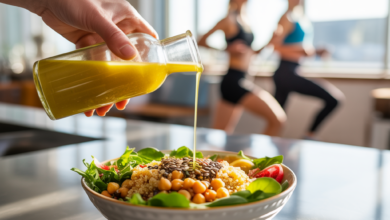
- Light evening snack: If you’re hungry, a small snack with carbs and protein (e.g., yogurt and banana) can prevent hunger from waking you.
- Supplements: Melatonin can help shift sleep timing for short periods; magnesium may aid relaxation for some people. Talk to a healthcare provider before starting any supplement.
For balanced meal ideas that support sleep and recovery, explore our nutrition guides.
Real-world examples: a sample nighttime routine
Here’s a realistic routine you can adapt. Pick times that match your schedule and stick with it for several weeks to see results.
- 7:00 PM: Finish dinner — keep it lighter and avoid heavy, spicy foods.
- 8:00 PM: Light movement or stretching (15–20 minutes) or an evening walk after dinner.
- 9:00 PM: Dim lights, put away screens, perform hygiene (brush teeth, wash face).
- 9:15 PM: Relaxation practice: 4-7-8 breathing or a 10-minute guided meditation.
- 9:30 PM: Get into bed for reading (paper book or e-ink device) or a quiet activity that promotes drowsiness.
Real people I coach often find that swapping late-night TV for a 10-minute breathing practice reduces wakefulness within a week. Small consistent changes compound into big sleep wins.
Frequently Asked Questions
Q: How long should it take to fall asleep?
A: Ideally, falling asleep within 10–20 minutes is normal. If it regularly takes much longer, consider revisiting sleep habits, stress management, and evening routines.
Q: Does exercise help me fall asleep faster?
A: Yes. Regular exercise improves sleep quality and helps you fall asleep faster, especially when done earlier in the day. Avoid intense workouts right before bed if you find they energize you.
Q: What should I do if I can’t fall asleep after 20 minutes?
A: Get out of bed and do a calm, low-light activity like reading or light stretching until you feel sleepy. Lying awake too long can create anxiety around sleep and make things worse.
Conclusion — Start tonight: small steps to learn how to fall asleep
Learning how to fall asleep is a mix of environment, routine, movement, and mindset. Start with one or two changes — set a consistent bedtime, dim the lights earlier, try a short evening stretch, or use 4-7-8 breathing. Track what helps and tailor the plan to your life. Better sleep supports fitness gains, recovery, mood, and long-term health.
Ready to take the next step? Try a 7-day sleep experiment using the routines above and check our wellness tips for more habits that boost rest. Share your progress or questions in the comments — I’ll help you customize a plan that works for your schedule and goals.