How to Become a Cycling Instructor: A Step-by-Step Guide for Aspiring Spin & Indoor Cycling Coaches

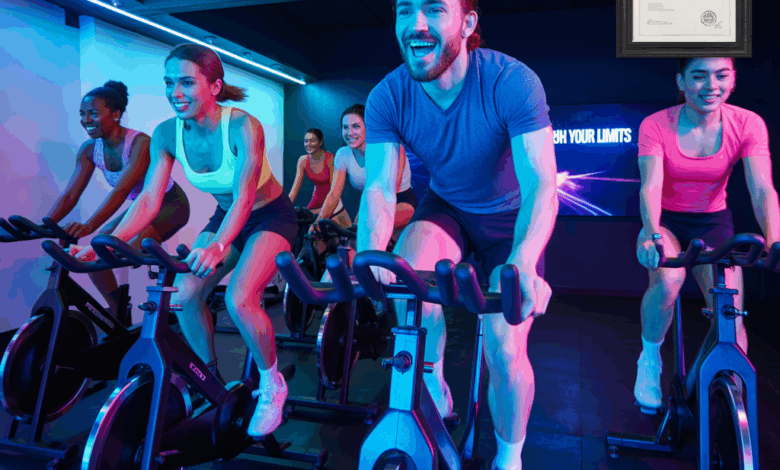
Have you ever watched a high-energy spin class and thought, “I could lead that — I love cycling and helping people move”? Or maybe you’re a recreational cyclist who wants to turn passion into a career. If you’ve asked yourself how to become a cycling instructor, this guide will walk you through the training, certifications, teaching skills, and lifestyle habits that transform riders into confident coaches.
Why Becoming a Cycling Instructor Is Worth It
Leading group cycling classes offers flexible hours, community connection, creative expression through music and programming, and the gratifying feeling of helping clients reach fitness goals. Whether you prefer indoor studio classes, boutique cycling, or community recreation centers, there’s room to grow as a bike coach — from teaching technique to designing performance-focused workouts.
Step 1: Get Certified — The Foundations of Safe Teaching
Before you step on the stage, invest in a recognized certification. Most studios and gyms require proof of training for liability and quality reasons.
- Choose a reputable certification: look for programs that cover anatomy, class design, cueing, bike setup, and safety. Popular options include indoor cycling and spin certifications from national fitness organizations or specialty providers.
- Complete CPR and first aid training — often mandatory for studio employment.
- Learn bike fit basics and how to adjust resistance and cadence safely for diverse fitness levels.
Certification tips
- Pick a course that includes practical teaching experience or mentoring.
- Keep certifications current — refreshers and continuing education help you stay marketable.
Step 2: Build Your Teaching Skills — More Than Just Riding
Teaching is a craft. You need technical knowledge plus the ability to motivate and communicate.
Class planning and programming
- Design varied workouts: endurance rides, high-intensity intervals (HIIT), tempo sessions, simulated climbs, and recovery days.
- Structure each class: warm-up, main set (intervals or steady-state), and cool-down/stretch.
- Use metrics like RPM (cadence), perceived exertion, and resistance levels to cue clear progressions.
Music, cueing, and presence
Good music sets energy; strong cues guide technique and safety. Practice voice projection, positive reinforcement, and timing cues to match song beats and workout phases.
Step 3: Gain Real-World Experience
Theory is important, but nothing replaces practice. Start small and build confidence.
- Sub for established instructors to observe different teaching styles.
- Offer free community classes or pop-up sessions to practice program delivery and build a local following.
- Record your classes (video or audio) to review pacing, cue clarity, and stage presence.
Real-world example
Sophie started as a front-desk coordinator at her gym. She completed an indoor cycling certification, subbed regularly, and within six months had a loyal evening class. Her secret: consistent playlists, clear cues for form, and personalized shout-outs to regulars.
Step 4: Strengthen Your Body — Fitness Tips for Instructors
Teaching classes is physically demanding. Keep yourself injury-free and energetic with smart training and recovery.
- Cross-train with resistance work: focus on glute bridges, single-leg deadlifts, and core stability to improve pedal power and posture.
- Include mobility and flexibility sessions: foam rolling, hip flexor stretches, and thoracic mobility reduce tension from long teaching shifts.
- Plan your workouts around teaching: avoid max-effort intervals the morning of heavy teaching shifts to preserve your voice and energy.
Workout variations to lead
- Endurance ride: 45–60 minutes steady, zones 2–3, great for beginner-friendly classes.
- HIIT blast: 30–40 minutes alternating 20–60 second sprints with recovery — ideal for calorie burn and fitness gains.
- Climb & strength: ladder-style resistance increases to build muscular endurance.
Step 5: Build Your Brand and Retain Riders
Successful instructors combine great classes with strong community-building.
- Create consistent class descriptions and incentives (e.g., themed rides, challenges, or a 30-day streak program).
- Use social media to share workouts, success stories, and quick fitness tips.
- Collect feedback and adapt: short post-class surveys help you refine programming and keep riders engaged.
Step 6: Business Basics — Insurance, Scheduling, and Income Streams
As you grow, consider the business side:
- Liability insurance and studio agreements protect you and your employer.
- Negotiate pay and look for additional income: private coaching, virtual classes, branded playlists, or teacher training workshops.
- Track experience and continuing education credits to increase your value to studios.
How to Become a Cycling Instructor — Key Checklist
- Complete recognized indoor cycling certification + CPR/First Aid
- Practice programming: intervals, climbs, tempo, and recovery
- Gain practical experience through subbing or community classes
- Build strength, mobility, and vocal endurance
- Create a brand, retain riders, and manage business details
Healthy Lifestyle Advice for Long-Term Success
Teach sustainably by prioritizing recovery and balanced nutrition.
- Sleep 7–9 hours to support energy and learning.
- Fuel workouts with a mix of carbs and protein; hydrate before and after classes.
- Schedule regular rest days and active recovery (walking, yoga) to avoid burnout.
Frequently Asked Questions
With an intensive course and consistent practice, you can earn an entry-level certification in a few days to a couple of weeks. Gaining confidence and building a regular class often takes 3–6 months of teaching and networking.
No. You should be fit and knowledgeable about technique and training principles, but elite racing experience isn’t required. Many successful instructors excel because they can communicate, motivate, and program workouts that meet diverse rider needs.
Most studios ask for a recognized indoor cycling certification and current CPR/first aid. As you work independently or teach specialty classes, liability insurance and continuing education may be expected.
Conclusion — Take the First Ride
If you’re still asking how to become a cycling instructor, the next step is simple: enroll in a reputable certification course, start subbing or offering a few community rides, and build the fitness and teaching skills outlined here. With consistent practice, strong programming, and attention to recovery and nutrition, you can turn your love of cycling into a rewarding teaching career.
Ready to get started? Sign up for a certification, practice a few class structures, and check out our workout routines and nutrition guides to support your training. For tips on staying balanced, visit our wellness tips page. Get out there — your first class is waiting.